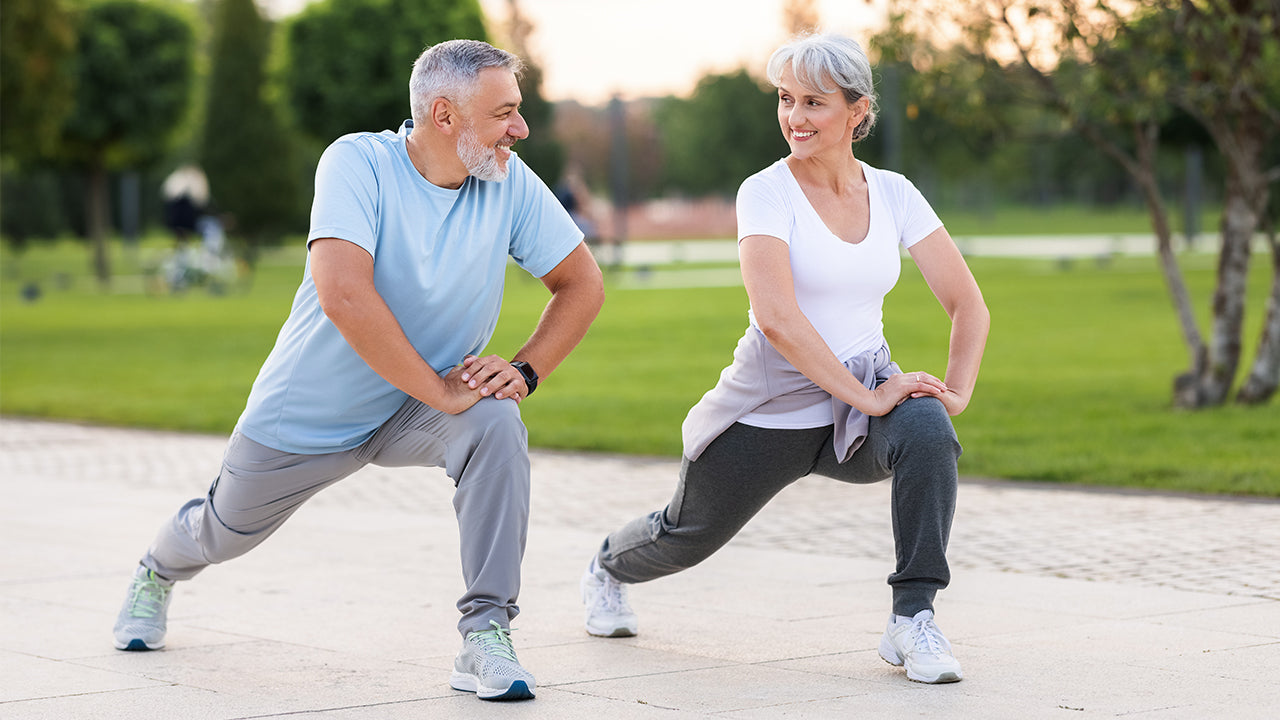
Regular exercise is one of the most effective ways for seniors to maintain mobility, strength, and independence. Health experts recommend that adults aged 65 and older perform at least 150 minutes of moderate physical activity per week, along with strength and balance training.
The best exercises for seniors typically combine low-impact cardio, strength training, balance work, and flexibility exercises to support overall health and reduce the risk of injury.
Quick list: Best exercises for seniors
- Walking
- Stationary cycling
- Rowing machine workouts
- Chair exercises
- Resistance band training
- Balance exercises
- Water aerobics
- Stretching and flexibility routines
Key Fitness Statistics for Seniors
Several studies show that regular physical activity significantly improves health outcomes for older adults.
Important facts include:
- Regular exercise can reduce fall risk by up to 23% in older adults.
- Strength training can increase muscle mass by 1–3% even after age 60.
- Consistent aerobic exercise may reduce the risk of heart disease by up to 35%.
- Physical activity is associated with improved cognitive function and reduced dementia risk.
These findings explain why health organizations strongly encourage seniors to stay physically active through low-impact, consistent exercise routines.
What Are the Safest Exercises for Seniors?
The safest exercises for seniors are low-impact activities that improve cardiovascular health, muscle strength, and balance without placing excessive stress on joints.
Common senior-friendly exercises include:
- Walking
- Stationary cycling
- Rowing machine workouts
- Resistance band exercises
- Chair exercises
- Water aerobics
These activities allow seniors to build strength and endurance while minimizing injury risk.

Best Home Exercise Machines for Seniors
Home exercise equipment can make it easier for seniors to maintain consistent workouts in a safe environment.
| Machine Type | Best For | Impact Level | Space Needed | Example |
|---|---|---|---|---|
| Stationary Bike | Joint-friendly cardio | Very Low | Small | Indoor exercise bike |
| Rowing Machine | Full-body cardio + strength | Low | Medium | Air resistance rower |
| Elliptical Trainer | Smooth cardio movement | Low | Medium | Compact elliptical |
| Walking Treadmill | Daily walking exercise | Low | Medium | Walking treadmill |
| Resistance Bands | Strength training | Very Low | Minimal | Portable bands |
Machines with smooth resistance systems and adjustable intensity are typically the safest options for seniors.
Best Types of Exercises for Seniors
1. Walking
Walking is one of the simplest and safest forms of exercise for older adults.
Benefits
- Improves cardiovascular health
- Helps maintain a healthy weight
- Supports joint mobility
Best for
- Beginners
- Daily light cardio
- Seniors returning to exercise
Suggested routine
Start with 10–15 minutes per day and gradually increase to 30 minutes most days of the week.
2. Stationary Cycling
Stationary bikes provide a low-impact cardiovascular workout that is gentle on the knees and hips.
Benefits
- Improves heart health and endurance
- Adjustable resistance levels
- Safe indoor exercise option
Best for
- Seniors with joint discomfort
- Controlled cardio training at home

An example is the Merach S26 Exercise Bike with HD Screen and 4-Way Adjustable Seat, which offers:
- Adjustable seating for comfort
- Smooth magnetic resistance
- Workout tracking display
Indoor bikes like this allow seniors to exercise safely while controlling workout intensity.
3. Rowing Machine Workouts
Rowing machines are one of the most efficient forms of exercise because they combine cardiovascular training with full-body strength work.
Rowing machines engage about 85% of the body’s muscles, including the legs, core, back, shoulders, and arms.
Why Rowing Machines Are Good for Seniors
- Low-impact movement that protects joints
- Full-body workout in a single session
- Improves cardiovascular endurance
- Strengthens posture and back muscles
- Adjustable resistance for beginners
Rowing is ideal for seniors who want both strength and cardio benefits without high-impact exercise.
Beginner Rowing Routine
A simple routine for beginners:
- Warm up with 3–5 minutes of light rowing
- Row at a comfortable pace for 8–10 minutes
- Focus on smooth strokes and upright posture
- Cool down with stretching
As fitness improves, sessions can increase to 15–20 minutes.
Example: Air Resistance Rower for Home Fitness
Air resistance rowing machines are popular because the resistance automatically adjusts to the user's rowing intensity, creating a natural workout experience.

One example is the Merach NovaRow R50 Air Resistance Rower, designed for full-body home training.
Key features include:
- Air resistance system that adapts to effort level
- Smooth rowing motion suitable for beginners and seniors
- Full-body muscle engagement
- Space-efficient design for home gyms
Rowing machines like this allow seniors to perform low-impact workouts that improve endurance, posture, and overall strength.
4. Chair Exercises
Chair exercises are ideal for seniors with limited mobility or balance concerns.
Benefits
- Stable seated position
- Strengthens arms and legs
- Improves joint mobility
Examples
- Seated leg lifts
- Seated arm curls
- Seated marching
These exercises are often used in rehabilitation and senior fitness programs.
5. Resistance Band Training
Resistance bands provide gentle strength training while minimizing joint stress.
Benefits
- Improves muscle strength
- Supports joint stability
- Lightweight and portable
Common exercises
- Bicep curls
- Seated rows
- Leg presses
Strength training is especially important because adults can lose 3–8% of muscle mass per decade after age 30.
6. Balance Exercises
Balance training is essential for preventing falls.
Examples
- Standing on one foot
- Heel-to-toe walking
- Tai Chi movements
Benefits
- Improves coordination
- Strengthens stabilizing muscles
- Reduces fall risk
Even 5–10 minutes of balance training daily can significantly improve stability.
7. Water Aerobics
Water-based workouts provide resistance while reducing joint stress.
Advantages
- Buoyancy supports body weight
- Improves flexibility
- Safe for people with arthritis
Water exercise allows seniors to stay active without high-impact movement.
8. Stretching and Flexibility Exercises
Flexibility exercises help seniors maintain mobility and prevent stiffness.
Common stretches
- Hamstring stretch
- Shoulder stretch
- Neck mobility exercises
Benefits
- Improves posture
- Increases range of motion
- Reduces injury risk
Stretching is most effective when performed after workouts when muscles are warm.
Best Cardio Machines for Seniors
| Machine | Impact Level | Muscles Used | Difficulty |
|---|---|---|---|
| Stationary Bike | Very Low | Legs | Easy |
| Rowing Machine | Low | Full body | Moderate |
| Elliptical Trainer | Low | Legs + arms | Moderate |
| Walking Treadmill | Low | Legs | Easy |
These machines are commonly recommended because they provide low-impact cardiovascular training while supporting joint health.
Sample Weekly Exercise Plan for Seniors
| Day | Activity | Duration |
|---|---|---|
| Monday | Walking | 30 minutes |
| Tuesday | Stationary cycling | 20 minutes |
| Wednesday | Resistance band training | 20 minutes |
| Thursday | Rowing machine workout | 15 minutes |
| Friday | Balance exercises + stretching | 20 minutes |
| Saturday | Light walking or water aerobics | 30 minutes |
| Sunday | Rest or gentle stretching | 10 minutes |
This routine helps seniors train cardio, strength, balance, and flexibility throughout the week.
Tips for Seniors Starting an Exercise Routine
Before starting a new fitness routine, seniors should follow several safety guidelines.
Best practices
- Consult a healthcare professional before beginning a new program
- Start slowly and increase intensity gradually
- Stay hydrated
- Wear supportive footwear
- Focus on proper posture and form
Consistency is more important than intensity — even moderate daily activity can significantly improve long-term health.
Frequently Asked Questions
What is the best exercise for seniors over 65?
The best exercises combine low-impact cardio, strength training, and balance work, such as walking, stationary cycling, rowing, and resistance band training.
How often should seniors exercise?
Most guidelines recommend at least 150 minutes of moderate exercise per week, plus muscle-strengthening activities twice weekly.
Are rowing machines safe for seniors?
Yes. Rowing machines provide low-impact full-body exercise and can be adjusted to suit beginner fitness levels.
What exercises help seniors prevent falls?
Balance exercises such as Tai Chi, single-leg stands, and heel-to-toe walking help improve stability and reduce fall risk.
Can seniors build muscle after age 60?
Yes. Strength training with resistance bands, bodyweight exercises, or rowing machines can improve muscle mass and functional strength at any age.