Are you worried about back pain, joint strain, or just finding a machine that doesn't feel like a chore to use? Recumbent bikes remain a top choice for low-impact, joint-friendly cardio. With improvements in comfort, resistance systems, and connectivity, today’s models provide a more effective and enjoyable workout experience.
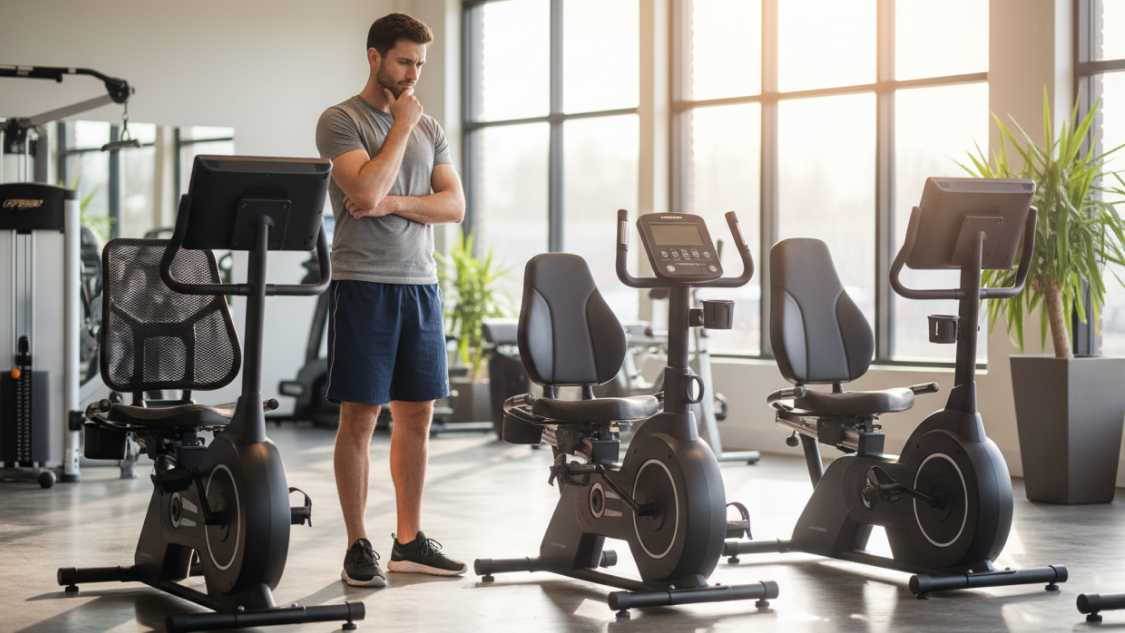
But with so many models promising comfort and performance, how do you know which one truly meets your goals and budget? This recumbent bike buying guide cuts through the noise and helps you understand essential features, compare models, and make a confident purchase.
1. Who Should Buy a Recumbent Exercise Bike?
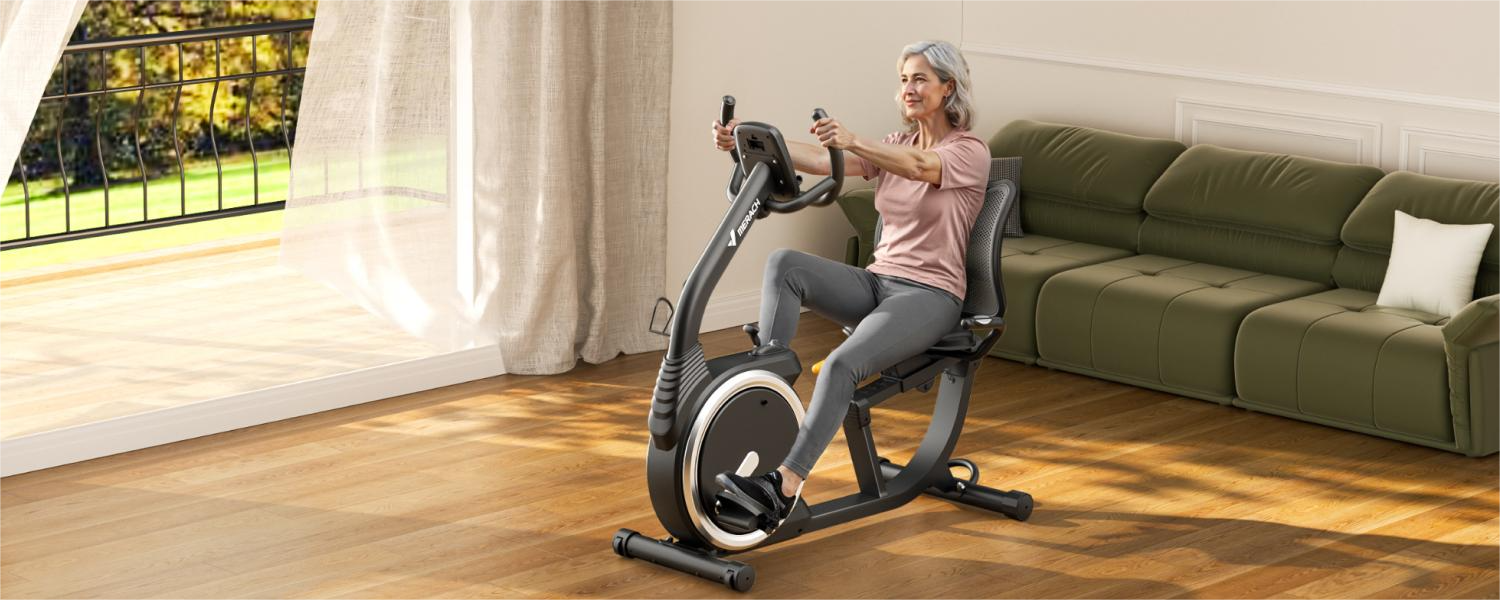
While recumbent bikes are designed to accommodate a wider range of users than many other cardio machines, they may not be the perfect fit for everyone. Because the rider sits in a reclined position with back support, body weight is distributed across the seat rather than concentrated on the knees or wrists, which offers a specific type of workout experience.
- Superior joint protection: Reclined position eliminates pressure on knees, back, and wrists.
- Unmatched comfort: Chair-like seating with full back support reduces fatigue.
- Accessibility: Easy entry/exit design accommodates users with mobility limitations.
- Effective lower-body workouts: Targets quadriceps, hamstrings, and glutes effectively.
- Rehabilitation support: Gentle motion pattern aids recovery from injuries.
- Extended workout duration: Comfortable position enables longer training sessions.
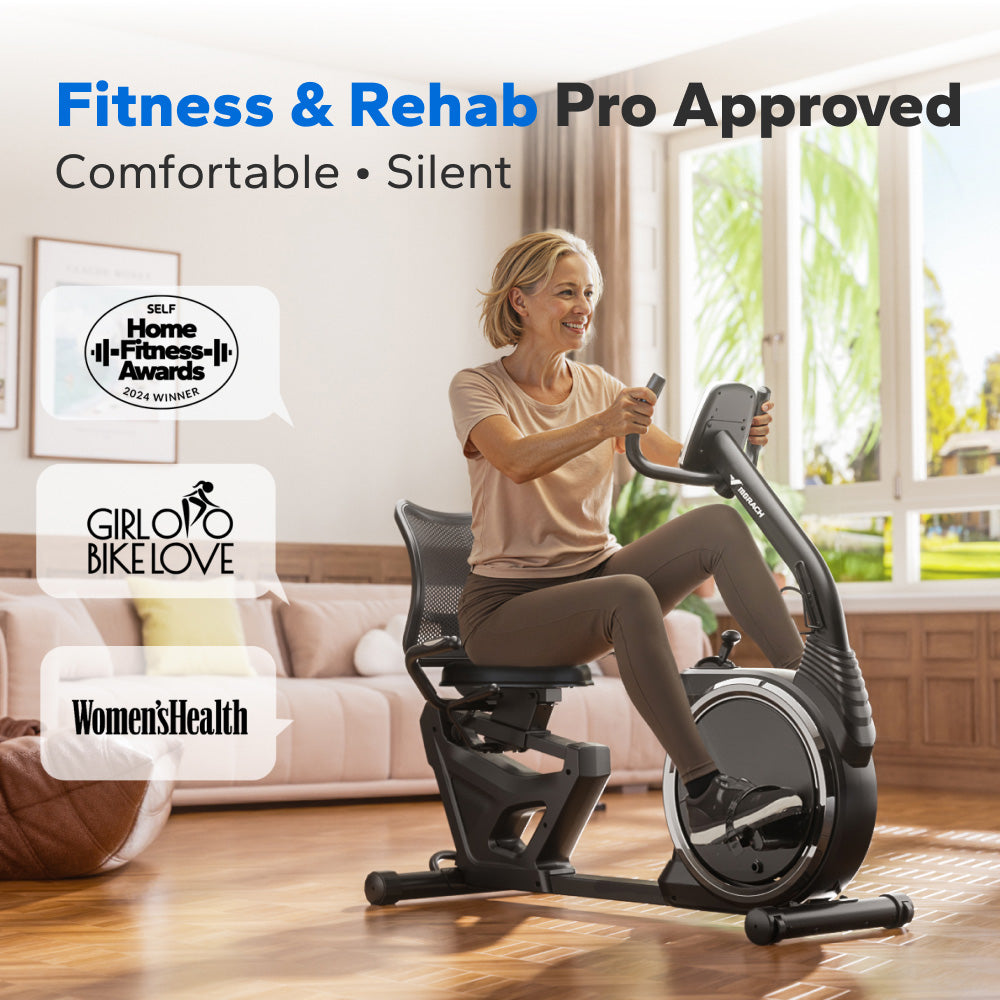
These benefits make recumbent bikes particularly suitable for seniors, people recovering from injuries or surgery, users with knee, hip, or lower-back discomfort, or anyone who prefers longer, more comfortable cardio sessions.
However, for HIIT, sprint intervals, out-of-the-saddle climbs, and high-heart-rate training, the intensity of recumbent bikes may not be sufficient. So if you want high-intensity sprint training, upright bikes or spin bikes are a better choice. For most home users, the comfort advantage often leads to longer workouts, which can offset this difference over time.
2. Key Features Before Buying Recumbent Bikes
Choosing the right recumbent bike is not only about price. Several design features directly affect comfort, durability, and long-term usability. When reviewing product specifications, it is advisable to pay more attention.
Resistance Systems & Levels
The resistance mechanism directly impacts workout quality, noise level, and maintenance requirements. Most modern recumbent bikes use magnetic resistance, which creates resistance without physical friction. This design produces smooth pedaling, minimal noise, and very little maintenance. For home workouts, especially in apartments, magnetic resistance is usually the best choice.
| Resistance Type | How It Works | Pros | Cons | Best For |
|---|---|---|---|---|
| Magnetic Resistance | Electromagnets create adjustable resistance without physical contact. |
|
|
Most home users, especially in shared living spaces. |
| Hybrid Magnetic-Flywheel Systems | Combines magnetic resistance with a weighted flywheel to create momentum. |
|
|
Users seeking a more realistic cycling experience. |
| Direct Tension Systems | A physical brake applies adjustable pressure to the flywheel. |
|
|
Budget-conscious buyers with a dedicated workout space. |
As for resistance levels, more is not always better. While a wide range is useful, the key is the quality and smoothness of the resistance transitions, not just the quantity.
- For magnetic resistance, more levels are beneficial because they allow for very fine-tuned adjustments. This is great for finding the perfect "sweet spot" during long rides.
- For friction resistance, the adjustment is often more about feel, and having dozens of levels can be unnecessary.
Smooth transitions without jarring jumps or clicks matter more than the number. A bike with 20 smooth levels is better than one with 100 levels that feel clunky.
Seat Comfort & Ergonomics
Because exercise bike workouts often last 30–60 minutes, seat design becomes one of the most important factors. A good recumbent bike seat should provide:
- Wide padding to support the hips
- Lumbar support for the lower back
- Breathable materials that reduce heat buildup
- Adjustable seat distance for proper leg extension

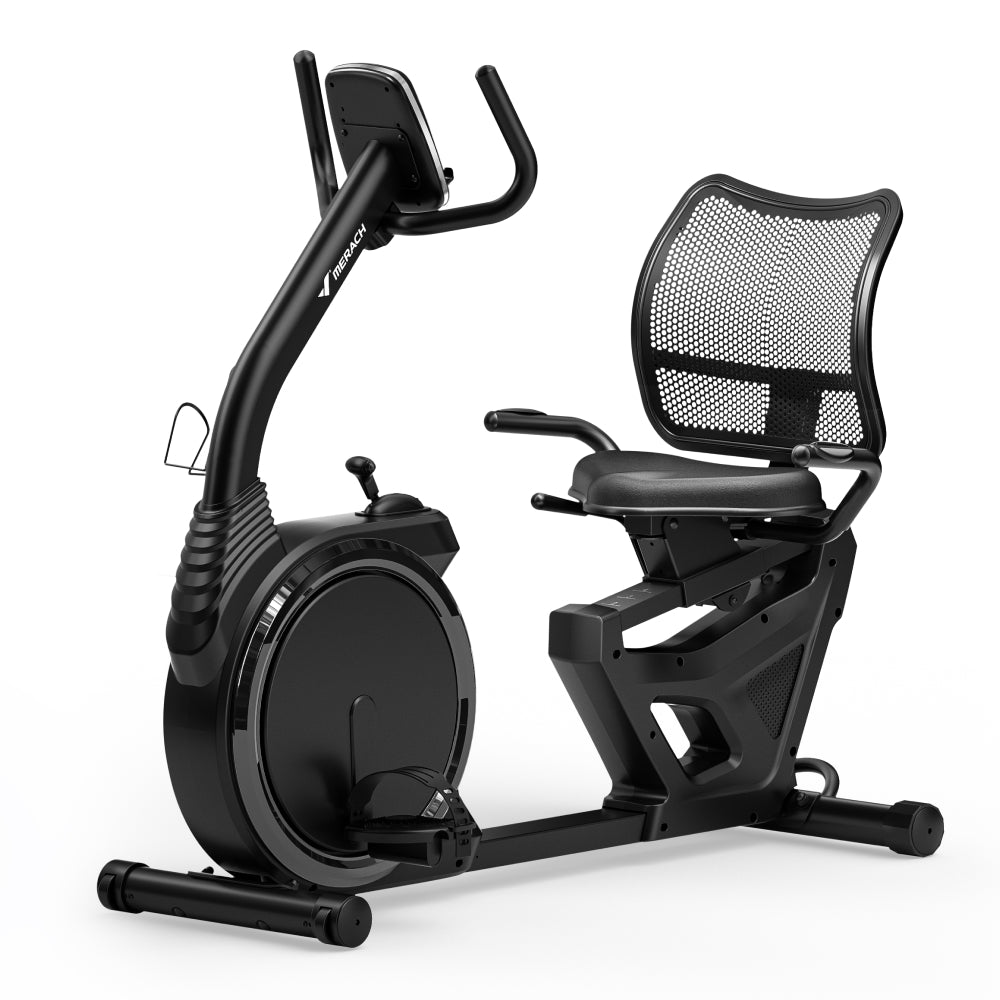
If comfort is your top priority, especially when choosing a recumbent bike for seniors, the Merach S19 Pro is an excellent option. It features a breathable mesh backrest paired with a wide, padded seat, which together support the spine and alleviate pressure on the hips and tailbone—even during longer workouts. You can easily customize the ride with its adjustable seat to fit your leg length and seamlessly switch between 8 resistance levels to match your preferred intensity. Powered by a magnetic flywheel, it operates with virtually friction-free, whisper-quiet performance under 15dB, perfect for any time of day.
Weight Capacity
Weight capacity is one of the most important indicators of a bike’s overall durability and stability. A higher weight capacity usually means the frame is built with stronger steel construction, better internal components, and a more stable base.
Even if you do not need the full capacity, choosing a heavy-duty bike often results in a smoother and safer riding experience. Most entry-level recumbent bikes support 250–300 lbs, while more robust home models can handle 300–350 lbs or more.
Size & Space Requirements
Recumbent bikes are generally larger than upright exercise bikes, so it is important to consider the available space in your home before making a purchase. In addition to the machine itself, you should also allow extra room for safe entry and exit from the seat. When evaluating size, consider three factors:
- The overall footprint of the bike and whether it features folding or vertical storage.
- Seat adjustment range for different rider heights
- Whether the bike includes transport wheels for easier movement
If your workout area is limited, look for models with built-in transport wheels so the bike can be moved or stored easily when not in use.
Connectivity & App Integration
Many buyers struggle with questions like, is it worth paying more for smart screens and app connectivity? If you want to enhance motivation and workout tracking, then these features are necessary.
- Basic Display: Shows essential data such as time, distance, calories, and heart rate, often with a few preset workout programs. It also includes a tablet or smartphone holder to watch videos or use fitness apps.
- HD Screen: Improves readability and allows watching videos. Typically includes more workout programs, Bluetooth heart-rate compatibility, and a screen mirroring feature.
- HD Touchscreens: The touch-sensitive design offers more convenience. Provides advanced performance metrics and deep integration with fitness apps and streaming platforms.

Some modern recumbent bikes even incorporate AI to provide workout guidance and personalized training plans. And the connection options have also become more diverse. They feature open API connections that allow compatibility with more third-party apps than the closed ecosystems common in previous years.
- Bluetooth: Connects to fitness apps for workout tracking, enables heart rate monitor pairing, and facilitates data sharing with health platforms.
- WiFi: Enables software updates without smartphone connection, supports streaming content on integrated screens, and allows cloud-based user profile management.

If you enjoy structured workouts or immersive training experiences, the Merach S08 Aura Recumbent Bike with HD Screen is ideal. The 15.6-inch rotating screen allows you to mirror your phone for entertainment and explore interactive training classes. When you sync it with the Merach app, you can enjoy virtual rides and global routes. It can also be used with the FantomFite app, Kinomap, Apple Health, and Google Fit for tracking data in real time.
3. How To Choose The Right Recumbent Bike?
Once you understand the key features, the next step is deciding which type of model fits your needs. Most buyers can narrow their options by considering two main factors: fitness goals and budget.
Choosing Based On Budget
Recumbent bikes are generally available in three price ranges. The price directly determines the bike's durability, comfort, and the sophistication of its features. The table below breaks down what you can expect at each price point and recommended brands, helping you match your investment.
| Price Range | Key Features | Limitations | Recommended Brands |
|---|---|---|---|
| $300-$500 |
|
|
Merach, Sunny Health & Fitness, XTERRA |
| $500-$900 |
|
|
Schwinn, Nautilus |
| $900+ |
|
NordicTrack, Peloton, Sole Fitness |
For many home users, the $300–$500 range is often sufficient. If you want features comparable to premium models in this category, the Merach stands out. Its home recumbent bike series combines smooth magnetic resistance, ergonomic seating, a 300–350 lb weight capacity, and smart app connectivity such as Kinomap or other training apps. Even the model equipped with a screen-mirroring display is offered at under $500, a feature rarely found at this price level.
Beyond the hardware itself, Merach also includes two-year warranty coverage, free shipping, and a 30-day risk-free return policy across these models. Built-in transport wheels and simplified assembly make these bikes easy to move and install, which is especially helpful for home gyms or shared living spaces.
Choosing Based On Fitness Goals
Your budget tells you what you can afford, but your goals tell you what to look for within that range. Use this as a checklist to evaluate whether bikes within your budget meet your fitness goals.
| Fitness Goals | Features |
|---|---|
| Weight loss, cardio |
|
| Interactive training |
|
| Rehabilitation |
|
Beyond fitness goals, different users also focus on different features. For seniors or users with joint issues, comfort and stability should be the top priorities. Bikes with ergonomic adjustable seats, fine resistance increments, and heart-rate tracking help create a safe and sustainable workout routine.
For heavy people, look for models with a high weight capacity and stable frames to support longer, consistent fat-burning workouts. A wider seat accommodates larger body types comfortably, and a stable base prevents rocking or tipping.
4. Maintenance & Care Tips For Recumbent Bikes
Although recumbent exercise bikes require less maintenance than many other fitness machines, regular care can significantly extend their lifespan and ensure smooth performance.
One of the most important habits is simply keeping the bike clean. After each workout, sweat and moisture can accumulate on the frame, seat, and handlebars. Wiping the bike down with a soft cloth helps prevent corrosion and protects electronic components.
You should also periodically check bolts, pedals, and seat adjustments to ensure everything remains secure. Because recumbent bikes include sliding seat rails, it is especially important to keep this track clean and occasionally apply lubricant so the seat moves smoothly.
Another overlooked maintenance step is dust removal. Dust can collect around the flywheel housing and mechanical parts over time. Using a vacuum or compressed air every few weeks helps maintain optimal operation.
For bikes with smart screens or connected apps, it is also helpful to update firmware or software when available, since manufacturers occasionally release updates that improve performance tracking or connectivity.
With simple monthly checks and regular cleaning, a high-quality recumbent bike can last for many years of consistent home workouts.
Routine Maintenance Tasks
| Maintenance Frequency | Routine Maintenance Tasks |
|---|---|
| Weekly |
|
| Monthly |
|
| Quarterly |
|
| Annually |
|
5. FAQs about Buying Recumbent Bikes
Before buying recumbent exercise bikes, you may still have a few practical questions. The answers below address some of the most common concerns.
Q1: What muscles does a recumbent bike work?
A recumbent bike primarily targets the lower body, including the quadriceps, hamstrings, glutes, and calves, through a seated pedaling motion. Unlike upright bikes, the reclined position also reduces strain on the lower back and knees, allowing for longer workouts. Some models, like the Merach S23 Recumbent Bike with Resistance Bands, also engage the upper body, including arms, shoulders, and chest, providing a more full-body workout.
Q2: How many calories can you burn on a recumbent bike?
On average, a 150-lb person can burn 200–300 calories in 30 minutes of moderate cycling, while a more vigorous 45-minute session at higher resistance can burn 400–500 calories. Tracking your recumbent bike calories burned with heart-rate monitoring and app-guided workouts ensures you stay in the optimal fat-burning or cardio training zones, maximizing calorie expenditure efficiently.
Q3: Is riding a recumbent bike as good as walking or running?
While running engages more stabilizing muscles and can produce a higher calorie burn per minute, recumbent biking is a low-impact alternative to walking or running that is easier on the joints, especially for seniors, people recovering from injuries, or anyone with knee, hip, or back issues. It provides equivalent cardiovascular benefits over time.
6. Conclusion
A good recumbent bike can provide years of safe, effective, and comfortable workouts right at home. By understanding the key features in this recumbent exercise bike buying guide, you can confidently narrow down your options and focus on models that match your needs, whether that means joint-friendly workouts, immersive smart training, or full-body cardio sessions. For most home users, mid-range models like the S19 Pro Recumbent Exercise Bike offer the best balance of quality, features, and value.
Ready to take the next step? Check out the Merach recumbent bike series to find the perfect model and start training!