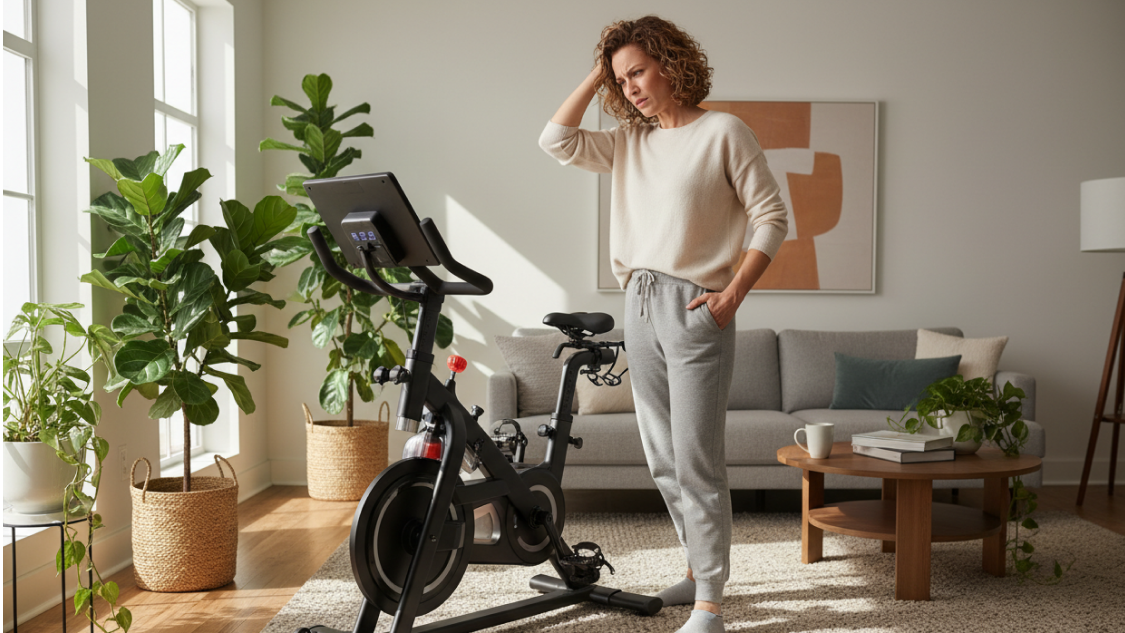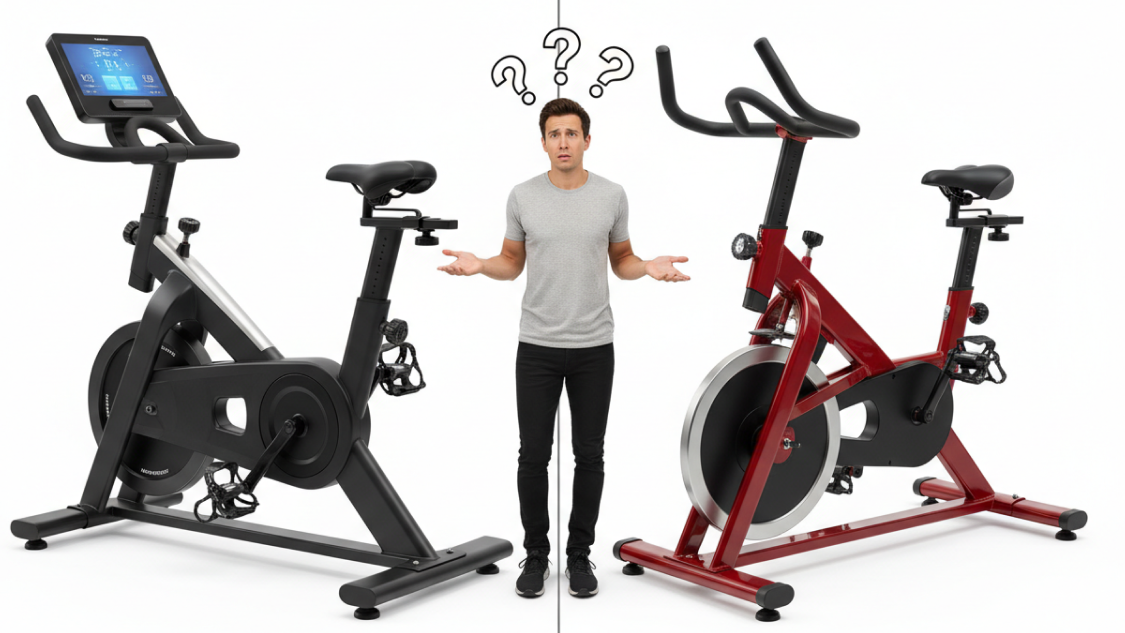
Exercise bikes are becoming increasingly popular at home because they offer a convenient, low-impact way to get in shape, build leg muscles, and lose weight. Staring at two exercise bikes in the store, wondering if the extra money for magnetic resistance is worth it? The magnetic vs friction debate comes down to three real-life questions: Will it make noise when you work out? Will it feel smooth enough?
It’s essential to know how each type of exercise bike works, what benefits it offers, and which is better for your training needs when deciding between a magnetic and a friction exercise bike. We've broken down the noise levels, maintenance costs, and actual workout experience. Here's what you need to know to make the right choice for your space, your budget, and your fitness goals.
1. Magnetic vs. Friction Exercise Bike: Quick Overview
When comparing magnetic or friction exercise bike models, the primary distinction lies in how resistance is applied. Let’s take a closer look at each type.
How Magnetic Exercise Bikes Work?
A magnetic exercise bike uses a series of magnets positioned near the flywheel to create resistance. The magnets become closer to or farther away from the flywheel as a result of adjusting the resistance on the bicycle’s control panel or knob, either higher or lower. The pedals experience an increase or decrease in resistance due to this shift in the magnetic field, without any physical contact.
The fact that the pedalling motion is consistently smooth and effortless is one of the most notable benefits of this technology. There is limited wear and tear, making maintenance easier because there is no direct contact between the magnets and the flywheel. Furthermore, because magnetic bikes are typically quieter than friction bikes, they are an excellent choice for those living in apartments or other shared living arrangements. Programmable resistance levels and compatibility with virtual cycling applications are features commonly found on more expensive magnetic bikes. Compared with friction exercise bikes, they offer excellent adaptability for home workouts.

How Friction Exercise Bikes Work?
A physical pad or brake that presses on the flywheel makes pedaling on friction exercise bikes harder. The pressure changes when you turn the resistance knob, which makes exercises harder when you need them to be.
When considering exercise bike magnetic resistance vs friction, friction bikes often provide a more realistic outdoor cycling feel because the resistance mimics road conditions. But this contact wears things down over time, so you need to do things like replace brake pads or lubricate moving parts. Another distinction is noise: friction bikes are usually louder than magnetic resistance bikes, especially when the resistance is high. Even with these problems, friction resistance has remained a reliable choice for many years because it is simple and effective.

2. Magnetic vs. Friction Exercise Bike: Key Differences
Now that you have a quick overview of how magnetic and friction bikes differ, let's dive deeper into the specific factors that will impact your daily home workouts. We’ll go over five essential factors—noise, smoothness, durability, affordability, and exercise customization—to help you decide.
Noise Level
Among the most prominent distinctions between exercise bike magnetic resistance vs friction is the amount of noise that they produce. Because the moving components do not come into direct contact with one another, magnetic bikes are silent or nearly silent. It is handy if you live in an apartment or would like to work out when other people are sleeping or watching television.
In comparison, the friction bicycle generates a sound that is more comparable to that of rubbing as a result of the brake pad being pressed on the flywheel. As the pad ages, the volume of the noises it produces may increase.

Giving magnetic resistance a try may benefit you if you prefer working out in a serene environment. The Merach S26 Aura Exercise Bike with Screen is designed specifically for home use, combining smooth magnetic resistance with near-silent operation—ideal for apartments, shared spaces, or early-morning rides. Its large 15.6-inch HD screen also lets you stream training content or entertainment, making long sessions feel more engaging.
Smoothness of Ride
The smoothness of the ride is an essential factor to consider when choosing between a magnetic or friction exercise bike. The pedals on magnetic exercise bikes keep the motion smooth and continuous. You can fully control them by making minor adjustments to the resistance. They’re great for both steady-state cardio and HIIT.
Friction exercise bikes operate adequately; however, they are slightly more challenging to ride. There is a possibility that the pad will exhibit tiny jerks or vibrations when it comes into contact with the flywheel. This is particularly true when the level of resistance is significant. Novice cyclists or those with joint stiffness may find long bike rides less comfortable. On the other hand, some bikers appreciate the feel of friction bikes, which may give them a sense of riding outside.
Durability & Maintenance
People sometimes ask if magnetic resistance is better than friction for durability. Because the resistance mechanism doesn’t wear out from direct touch, magnetic bikes usually need less maintenance. Regularly cleaning the flywheel and tightening the bolts are key steps to keep it in good shape.
When riding a friction exercise bike, you need to exercise more caution than you would on a regular bike. In addition to replacing your brake pads, you may also need to replace the chains or belts you have already installed. To prevent malfunctions or squeaking, the brakes must be serviced regularly. Nevertheless, it is typically easier to perform mechanical repairs on bicycles that have friction. If something were to go awry in the future, this could facilitate repairs and reduce their cost.
Cost & Affordability
Cost is another essential factor to consider when deciding between magnetic or friction exercise bike models. Because the technology is simpler and has been around longer, friction bikes are usually cheaper. Friction bikes are a popular choice for novices or people on a budget because you can often find a good one at a reduced price.
The cost of magnetic exercise bikes is generally higher than that of non-magnetic bikes. This is because magnetic bikes have a stronger resistance mechanism, which provides a smoother ride. Some factors that contribute to the higher cost of premium magnetic bikes include digital displays, the ability to link with other devices, and the ability to design exercises. The product’s higher initial cost can be justified by its quiet operation and its longer-lasting condition.
Workout Customization
Tailoring exercises, digital displays, and adjustable resistance are basic features of magnetic exercise bikes. Some of them can also link to applications that let you participate in virtual cycling sessions, monitor your heart rate, and track your progress over time. It makes them an ideal choice for people who love organized workouts, consume large amounts of information, or seek diversity.
The majority of friction exercises have manually adjustable resistance to meet individual riders’ preferences. For individuals who enjoy exercising without technology and prefer simple, uncomplicated routines, friction bikes remain a helpful tool.
| Feature | Magnetic exercise bike | Friction exercise bike |
|---|---|---|
| Noise level | Very quiet | Noisier, rubbing sound |
| Smoothness of ride | Very smooth | Slightly jerky at high resistance |
| Maintenance | Low | Moderate to high |
| Durability | High | Moderate |
| Cost | Higher | Lower |
| Workout customization | High, programmable options | Limited to manual adjustments |
3. Which One Should You Choose?
Choosing between magnetic vs friction exercise bike models largely depends on your personal needs, fitness goals, and budget. Here are some scenarios to consider:
- Beginners or Casual Users: When you are just starting home exercise or looking for an affordable exercise bike, a friction bike can be a good fit. It provides an excellent cardiovascular workout while being relatively inexpensive to start.
- Noise-Sensitive Environments: A magnetic bike is an excellent option if you live in an apartment building, have relatives visiting, or want to exercise first thing in the morning, as it produces little noise.
- Long-term investment: A magnetic bike is a better option if you anticipate using it regularly over several years, as it will last longer and require less maintenance.
- Data-Oriented or Advanced Training: For individuals who wish to monitor their progress, participate in online cycling courses, or develop their own training regimens, magnetic bikes are a superior choice.
- Outdoor Cycling Simulation: Friction exercise bikes can make indoor cycling feel more like riding on the road, appealing to people who enjoy riding outdoors and want to ride indoors.
Pros and Cons – Side by Side
Here is a complete comparison of magnetic vs friction exercise bikes that lists the good and bad points of each type:
| Magnetic exercise bike | Friction exercise bike | |
|---|---|---|
| Pros |
|
|
| Cons |
|
|
4. FAQs about Magnetic vs. Friction Exercise Bikes
Still unsure which type of exercise bike is right for your home setup? Here are answers to the most common questions to clarify and choose the bike that truly fits your lifestyle and goals.
Q1: Is magnetic resistance better than friction?
For most people who use them at home, magnetic resistance is superior to friction since it runs quietly, rides smoothly, and doesn’t need any upkeep. But if you want to save money or enjoy the feel of a road cycle, friction bikes are a good choice.
Q2: Do friction bikes make more noise than magnetic bikes?
Magnetic exercise bikes excel for HIIT workouts due to their quick, smooth resistance changes and quiet operation that won't disturb others during intense intervals. Friction bikes can work for HIIT but may be louder and less responsive to rapid changes.
Q3: Do you need electricity to use magnetic bikes?
Some magnetic bikes are fully manual, while others with digital displays need power. Most of the time, friction bikes don’t need power.
Q4: Can magnetic bikes make it feel like you’re going up a steep hill?
Yes, for sure. High-end magnetic bikes may offer significant resistance, making them suitable for strenuous workouts.
Q5: Which bike lasts longer?
Magnetic bikes usually last longer because the resistance system doesn’t wear out physically. You might need to change parts on friction bikes more often.
5. Conclusion
No single answer works for everyone when it comes to exercise bike magnetic vs friction. Magnetic bikes are perfect for people who work out at home often and want a bike that is quiet, smooth, and easy to maintain. Friction bikes, on the other hand, are cheaper, feel more like a real road, and are easy to fix, so they’re perfect for folks who are just starting or who don’t have a lot of money.
Ultimately, your fitness goals, how much money you have, and where you want to work out will determine your choice. You can pick the S26 Aura Exercise Bike With Screen to keep you motivated and on track with your home workouts.