Have you been feeling stiff after sitting all day, struggling with poor circulation, or finding it harder to relax after workouts? Two popular options are grounding mats and vibration plates. At first glance, both claim to support recovery, relaxation, and overall circulation. However, they work in completely different ways.
If you're trying to decide between a grounding mat and a vibration plate, this guide is right for you. We'll compare these machines in terms of recovery, circulation, relaxation, fitness benefits, and long-term value so you can choose the option that best fits your lifestyle.
1. What‘s The Main Difference Between Grounding Mats vs. Vibration Plates?
Both can be used for relaxation while standing or resting with your feet on the device, and neither requires an intense workout. However, the mechanism behind the benefits is completely different. Understanding how vibration plates and grounding mats work can help you choose the right machine based on your body's needs.
How Do Grounding Mats Work?
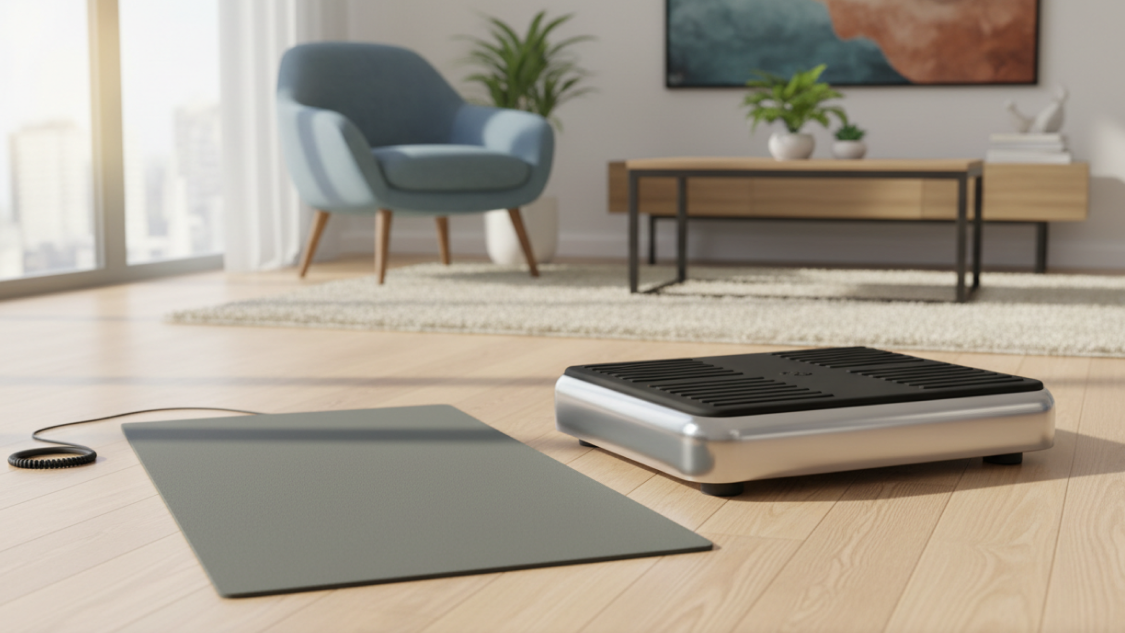
The grounding mat is designed to mimic direct contact with the Earth's surface. So, it usually connects to a grounded outlet and enables the body to absorb the earth's natural electrical charge. It may help support relaxation and recovery by recreating the electrical connection people experience when walking barefoot outdoors. It's a passive wellness tool. You don't need to do any physical activity during use. To get relief, you simply sit, lie down, and sleep on the mat.

How Do Vibration Plates Work?
In contrast, vibrating plates need active body movement. This machine produces vibration, which stimulates your muscles. It forces body muscles to contract repeatedly. This repeated muscle activation improves circulation, challenges balance, and supports mobility and recovery within a short time.

| Feature | Grounding Mat | Vibration Plate |
|---|---|---|
| How It Works | Conductive surface connected to ground | Mechanical vibrations stimulate muscles |
| Activity Level | Passive | Active |
| Muscle Activation | Minimal | High |
| Circulation Support | Indirectly | Directly |
| Workout Required | No | Optional |
| Best For | Relaxation, sleep, stress management | Recovery, circulation, mobility, muscle stimulation |
In conclusion, the ground mat is made to support recovery. Senior citizens also use it to promote calmness, relaxation, and better sleep quality. Furthermore, this tool is suitable for individuals dealing with stress, fatigue, and long working hours.
In comparison, the vibration plate mainly focuses on fitness activation. Its main purpose is to stimulate muscles, encourage movement, and reduce strain on the knee. Some individuals use this machine in workout routines after exercise.
2. Which Improves Circulation More Effectively?
Both grounding mats and vibration plates are used by people looking to support circulation. A grounding mat is designed to promote relaxation while your body remains at rest. It may indirectly support overall recovery. However, grounding does not actively stimulate muscles or create movement that increases blood flow.
A vibration plate takes a more direct approach. The rapid vibrations cause muscles to contract and relax repeatedly, creating a pumping effect that helps move blood through the body. Even while standing still, hundreds of muscle contractions can occur during a short session. This is why vibration plates are commonly used before workouts, after exercise, or during recovery routines.

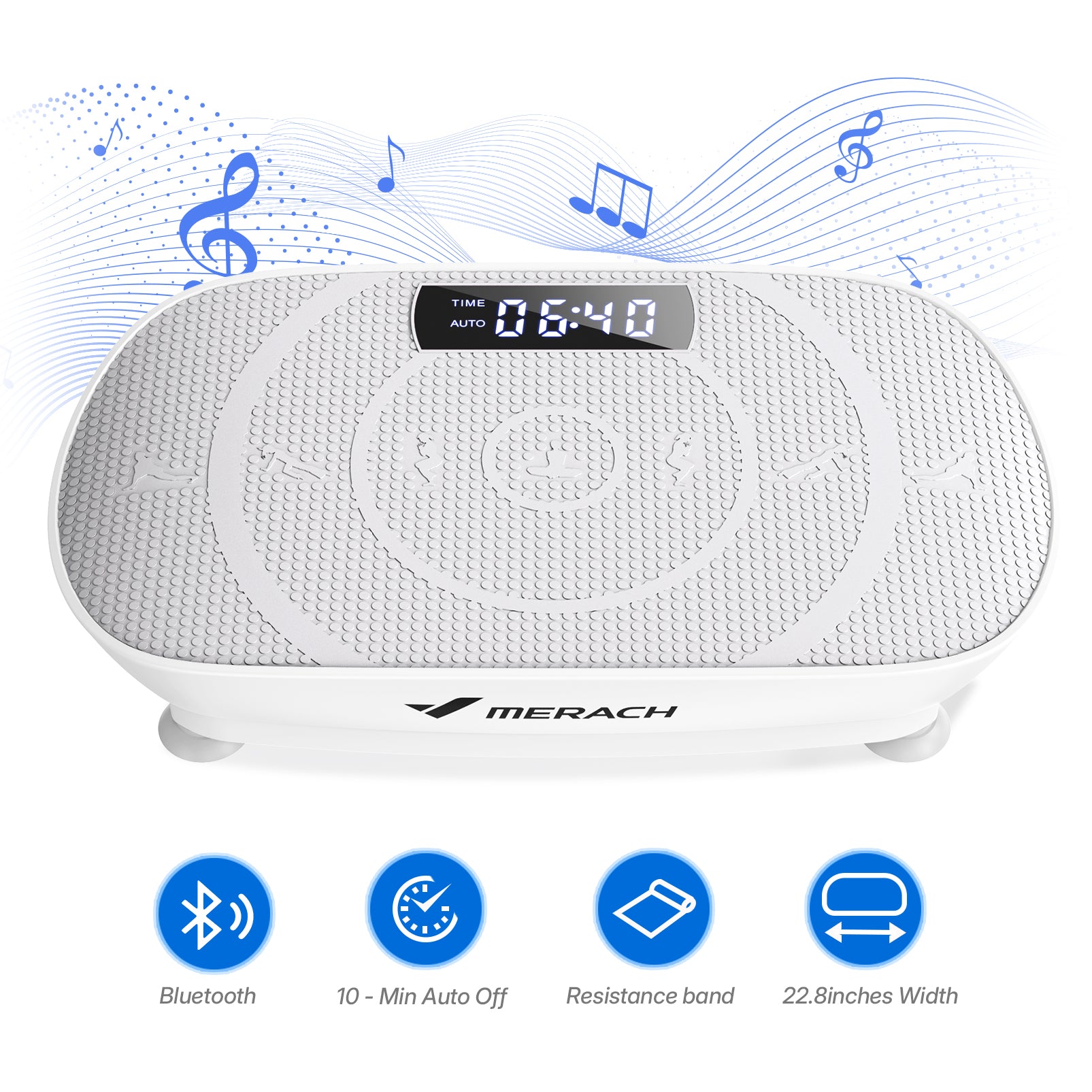
If you want to increase circulation and reduce feelings of stiffness from prolonged sitting, a vibration plate generally provides more noticeable and immediate results. The Merach CV30 Pro Whole Body Vibration Plate combines oscillating vibration technology with multiple intensity levels to accommodate different fitness and recovery needs. Its compact design makes it easy to use at home. You can incorporate 10-minute vibration workouts into your daily routine to support circulation, reduce stiffness after long periods of sitting, and add more movement to otherwise sedentary days.
3. Which Is Better for Post-Workout Relaxation?
As you already know, the grounding mat mainly targets the nervous system. It produces a calming effect that may help the body feel relaxed after mental stress. If your goal is simply to relax, unwind, and rest after a stressful day or workout, you can use it while sitting, reading, working, or sleeping without any physical effort.
Alternatively, the vibration plate is built to affect body muscles. The vibrations create rapid muscle contractions. So, a vibration plate is often recommended if your muscles feel sore, tight, or fatigued after exercise.
4. How to Choose Between Grounding Mats vs. Vibration Plates?
You need to consider key factors before selecting any tool. Each machine serves a different purpose and wellness goals. Here is a detailed overview that enables you to make an informal decision.
Based on Your Health Goal
If you want to improve your muscle activation, vibration plates are best for you. They focus on improving circulation, actively engaging the body and supporting mobility-focused routines.
Based on Lifestyle & Routine
Your daily routine also matters in making informal decisions. If your daily workout is stressful and you need to improve your sleeping pattern, then a grounding mat is ideal. This mat easily fits into passive routines. Furthermore, they do not require dedicated workout time or physical effort.
Budget & Space Considerations
Both tools are generally available in different price ranges and require a bit of space. If your budget is tight and you want to improve sleep, go with a mat. However, vibration plates involve motorized technology. Furthermore, its larger equipment size requires floor space for use. Mearchfit provides affordable vibration plates that require minimal home setup.
5. FAQs about Grounding Mats vs. Vibration Plates
At this point, the difference between a grounding mat and a vibration plate should be much clearer. While both are commonly used as part of a wellness routine, they address different needs. Still, many people have practical questions before making a purchase. Let's look at some of the most common questions shoppers ask before choosing between the two.
Q1: Which option is better for workers who spend most of the day sitting?
For desk workers with sedentary lifestyles, a vibration plate is often the more practical choice because it encourages movement and muscle activation in a short amount of time. A grounding mat may help create a relaxing workspace, but it doesn't address the lack of physical activity that often comes with long hours of sitting.
Q2: Grounding mat or vibration plate, which is better for seniors?
Both can be senior-friendly. Grounding mats require no movement at all, making them easy to use while resting or sleeping. Vibration plates may offer additional benefits for mobility, circulation, and balance when used at low intensity, although seniors should consult a healthcare professional if they have existing medical conditions.
Q3: What will 20 minutes a day on a vibration plate do?
A 20-minute session on vibration plates improves your muscle tone and boosts bone density. Furthermore, it also increases circulation and supports weight loss. You need to take a daily session to reduce cortisol levels.
Q4: Can I use a grounding mat and vibration plate together?
Absolutely. Because the two products serve different purposes, they can complement each other rather than replace one another. Many people use a vibration plate during the day to encourage movement and circulation, then use a grounding mat in the evening while relaxing or sleeping. This hybrid approach creates a balance between activity and rest.
6. Conclusion
To sum up, many fitness experts and wellness communities agree that both tools serve different purposes. The grounding mats are great for relaxation, sleep support, and stress relief. Alternatively, vibrating plates are made to activate movement and muscle engagement.
Therefore, you need to gain clarity in your fitness journey before making a decision. If you want a calm recovery, grounding mats work better. For more active muscle engagement, you need to prefer a vibration plate. Ultimately, the right choice depends on your body's needs.