What Are the Benefits of Rowing?
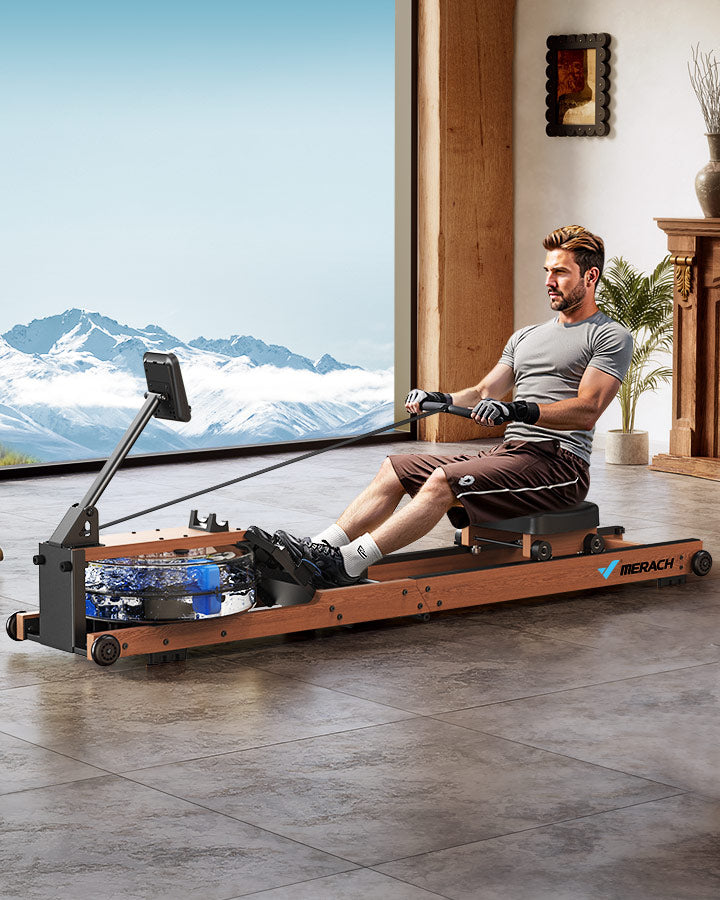
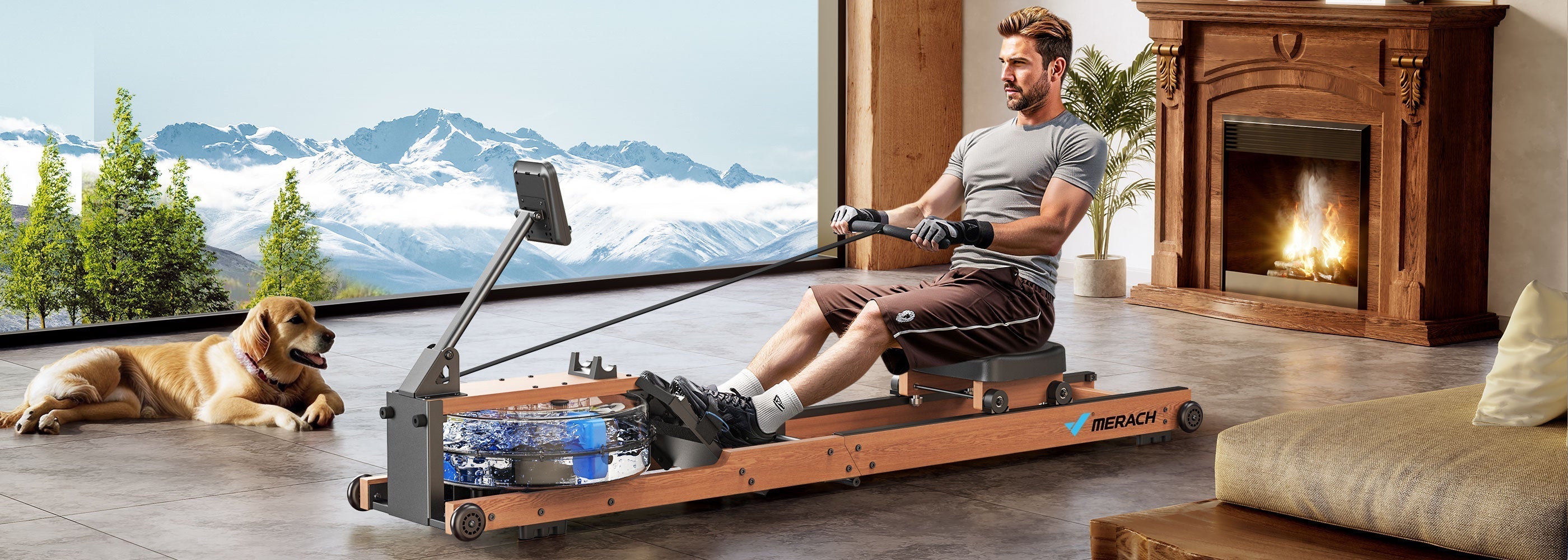
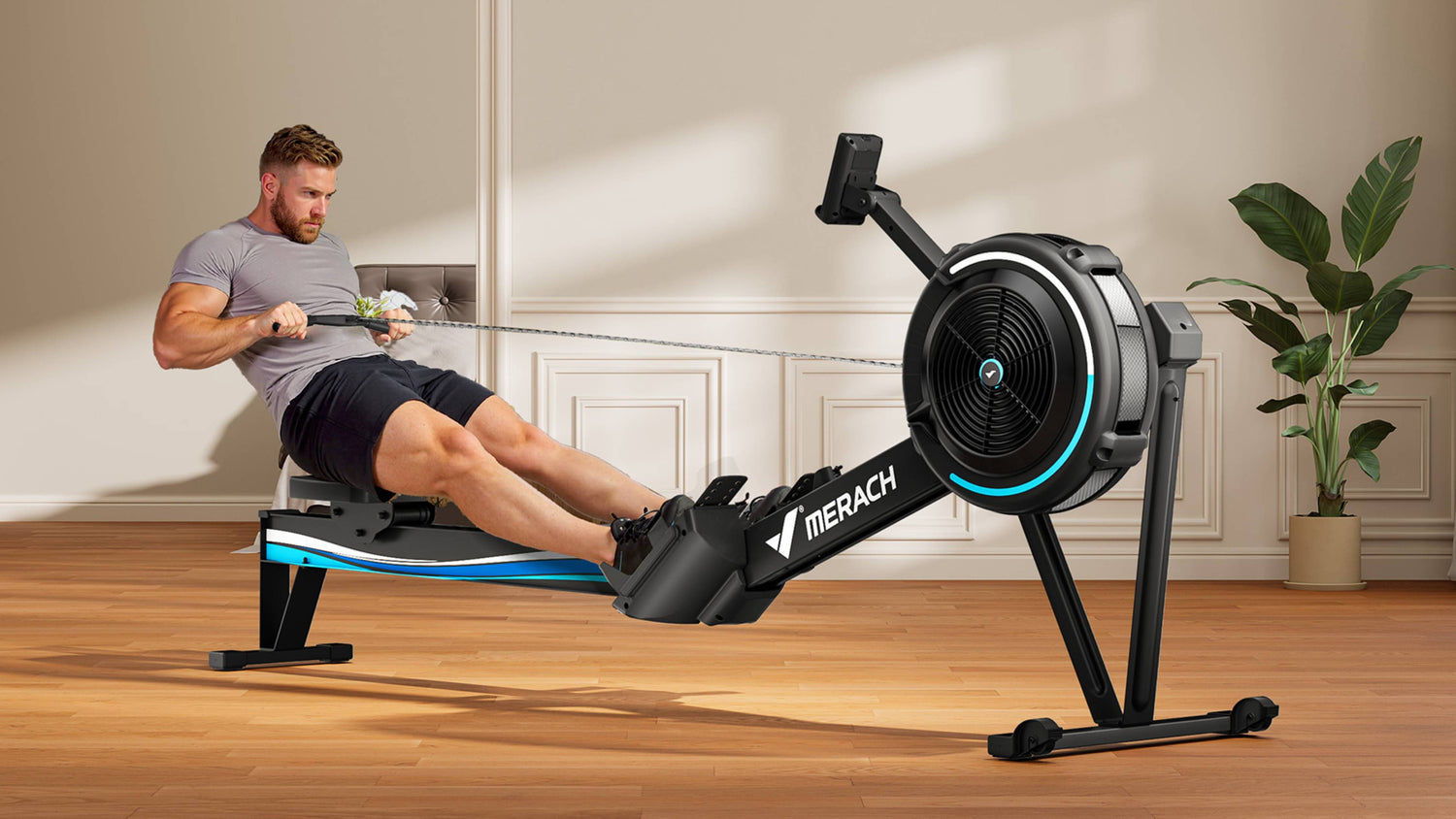
Rowing is one of the most efficient full-body workouts because it combines cardio and strength training in a single movement. A rowing machine activates about 85% of the body’s major muscle groups, while remaining low-impact on joints, making it ideal for home workouts.
Key benefits of rowing include:
- Full-body muscle engagement
- High calorie burn for weight loss
- Low-impact cardio that protects joints
- Improved cardiovascular endurance
- Stronger core and better posture
- Efficient workouts for home gyms
Because of this combination of strength and cardio training, rowing machines are often considered one of the most versatile pieces of home fitness equipment.
Rowing Machine Benefits at a Glance
| Benefit | Why It Matters | Fitness Impact |
|---|---|---|
| Full-body workout | Engages upper and lower body simultaneously | Balanced strength |
| High calorie burn | Efficient cardio training | Supports fat loss |
| Low impact | Gentle on knees and joints | Injury prevention |
| Improves endurance | Strengthens heart and lungs | Better stamina |
| Builds muscle | Works legs, back, arms, and core | Strength development |
| Improves posture | Strengthens back and core | Better alignment |
| Time-efficient | Combines cardio and strength | Shorter workouts |
| Adjustable intensity | Suitable for beginners to athletes | Long-term training |
| Mental health benefits | Rhythmic exercise reduces stress | Improved mood |
| Home gym friendly | Compact and versatile | Space-efficient workouts |
Muscles Worked During Rowing
Rowing is widely known as a full-body exercise because it activates multiple muscle groups in each stroke.
| Body Area | Muscles Worked |
|---|---|
| Legs | Quadriceps, hamstrings, glutes |
| Back | Latissimus dorsi, rhomboids |
| Arms | Biceps, forearms |
| Shoulders | Deltoids |
| Core | Abdominals, obliques, lower back |
Fitness experts estimate that about 60% of rowing power comes from the legs, while the rest comes from the core and upper body, making it one of the most balanced workouts available.
1. Rowing Provides a Full-Body Workout
Unlike many cardio machines that primarily train the lower body, rowing engages both the upper and lower body simultaneously.
Each rowing stroke includes:
- Leg drive – pushing with the legs
- Core engagement – stabilizing the torso
- Upper-body pull – activating the back and arms
This coordinated movement allows rowing to work about 85% of the body’s muscles in one exercise.
2. Rowing Burns a Significant Number of Calories
Rowing is a highly effective calorie-burning workout because it combines aerobic exercise with resistance.
Estimated calories burned during rowing:
| Body Weight | 30 Minutes Moderate | 30 Minutes Intense |
|---|---|---|
| 125 lbs | ~210 calories | ~255 calories |
| 155 lbs | ~252 calories | ~369 calories |
| 185 lbs | ~311 calories | ~440 calories |
Because it activates large muscle groups, rowing can help support weight loss and improved metabolic health.
3. Rowing Is Low Impact on Joints
Rowing is a low-impact cardio exercise, meaning it does not involve the repetitive impact of activities like running.
Benefits for joint health include:
- reduced stress on knees and ankles
- smooth and controlled motion
- lower injury risk
- suitable for rehabilitation or recovery workouts
This makes rowing comparable to cycling or elliptical training as a joint-friendly cardio option.
4. Rowing Improves Cardiovascular Fitness
Rowing strengthens the heart, lungs, and circulatory system.
Regular rowing workouts can help:
- improve oxygen efficiency
- increase endurance
- lower resting heart rate
- improve circulation
Because it raises heart rate quickly, rowing is often used for endurance training and high-intensity interval workouts (HIIT).
5. Rowing Strengthens the Core
Core muscles are constantly engaged during rowing to stabilize the body.
Key core muscles used include:
- rectus abdominis
- obliques
- spinal stabilizers
- lower back muscles
A strong core helps improve balance, posture, and overall athletic performance.
6. Rowing Helps Improve Posture
Modern lifestyles often involve long hours sitting, which can weaken back muscles and lead to poor posture.
Rowing helps strengthen:
- upper back muscles
- shoulder stabilizers
- spinal support muscles
Regular rowing can help reduce rounded shoulders and forward head posture.
7. Rowing Combines Cardio and Strength Training
Most cardio machines primarily train endurance.
Rowing is unique because it provides:
- aerobic cardio training
- resistance-based muscle engagement
This combination makes rowing one of the most time-efficient workouts available.
8. Rowing Is Suitable for All Fitness Levels
Rowing machines allow users to adjust resistance and pace, making them accessible to nearly everyone.
Rowing works well for:
- beginners starting a fitness routine
- intermediate users improving endurance
- athletes performing HIIT training
Workouts can range from light cardio sessions to intense full-body conditioning.
9. Rowing Can Improve Mental Well-Being
Like many forms of cardio exercise, rowing can support mental health.
Benefits may include:
- reduced stress
- improved mood
- increased mental focus
- better sleep quality
Rhythmic exercises such as rowing are often associated with the release of endorphins, which help boost mood.
10. Rowing Machines Are Ideal for Home Workouts
Rowing machines are increasingly popular for home gyms because they combine many benefits in a single piece of equipment.
Advantages include:
- full-body training from one machine
- compact or foldable designs
- suitable for apartments and small spaces
- compatibility with smart fitness apps
For people building a small home gym, rowing machines offer one of the most complete workout solutions.
Rowing Machine vs Other Cardio Machines
| Machine | Muscles Worked | Impact Level | Workout Type |
|---|---|---|---|
| Rowing Machine | Full body | Low | Cardio + strength |
| Treadmill | Lower body | High | Cardio |
| Exercise Bike | Lower body | Low | Cardio |
| Elliptical | Lower body + arms | Low | Cardio |
Because rowing engages both the upper and lower body, it often provides a more comprehensive workout than many other cardio machines.
Who Should Use a Rowing Machine?
Rowing machines are especially suitable for:
- beginners starting home workouts
- people seeking low-impact cardio
- athletes needing full-body conditioning
- individuals building compact home gyms
Because rowing combines strength and cardio training, it is often recommended as one of the most versatile fitness machines for home use.
Frequently Asked Questions
Is rowing a full-body workout?
Yes. Rowing activates about 85% of the body’s muscles, including the legs, back, arms, shoulders, and core.
Is rowing good for weight loss?
Rowing can burn 400–800 calories per hour depending on intensity, making it an effective workout for fat loss when combined with a balanced diet.
How long should you row for a workout?
Most fitness experts recommend:
- 20–30 minutes for general fitness
- 30–45 minutes for endurance training
- 15–20 minutes HIIT sessions for high-intensity workouts
Is rowing better than running?
Rowing offers a low-impact full-body workout, while running mainly targets the lower body. Many people prefer rowing because it reduces stress on the knees and joints.