Rowing workouts are an important part of both strength and hypertrophy programs because they help you grow a wide, robust, and balanced back. Cable row variations work really well because they keep the tension and movement under control. But when you're at the gym, facing the choice between the dual-pulley row and the single-pulley row, it's easy to feel stuck: which one will effectively target your back while preventing muscle imbalances or strength gaps?
Both work the lats, rhomboids, and upper back, but yield distinct results. The dual-pulley row lets you put more weight and have symmetrical resistance, while the other helps you build strength on one side and balance your muscles. Picking the wrong variation could slow your progress or even lead to compensation patterns.
This guide goes into great detail about each exercise, compares how well they grow muscle, and helps you choose the ideal rowing technique for your workout plan.
1. What Is a Dual Pulley Row?
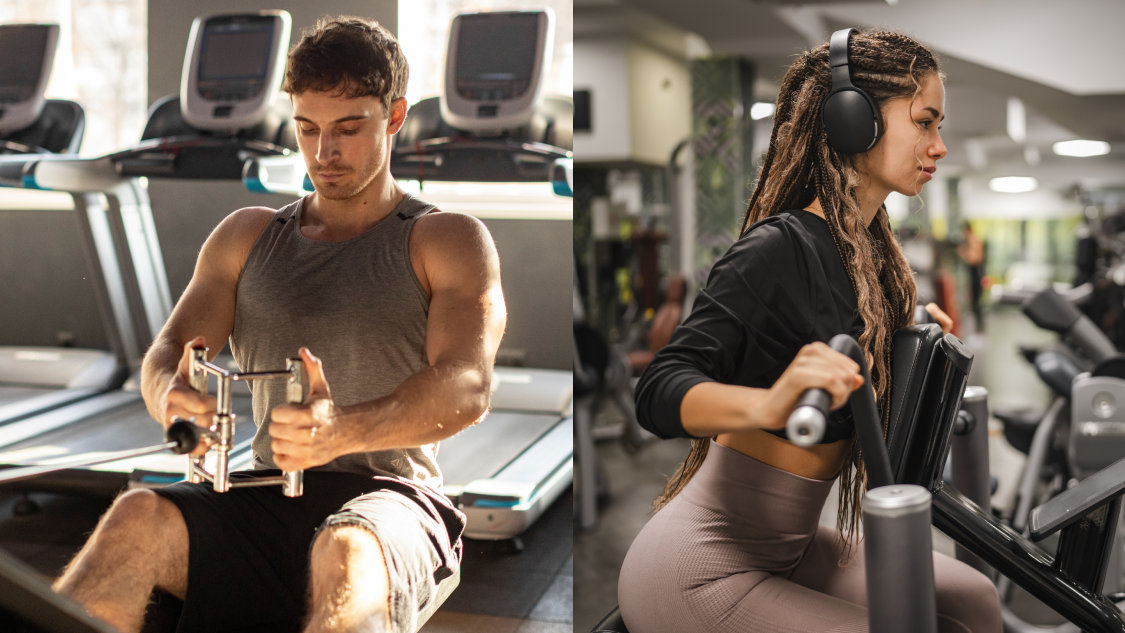
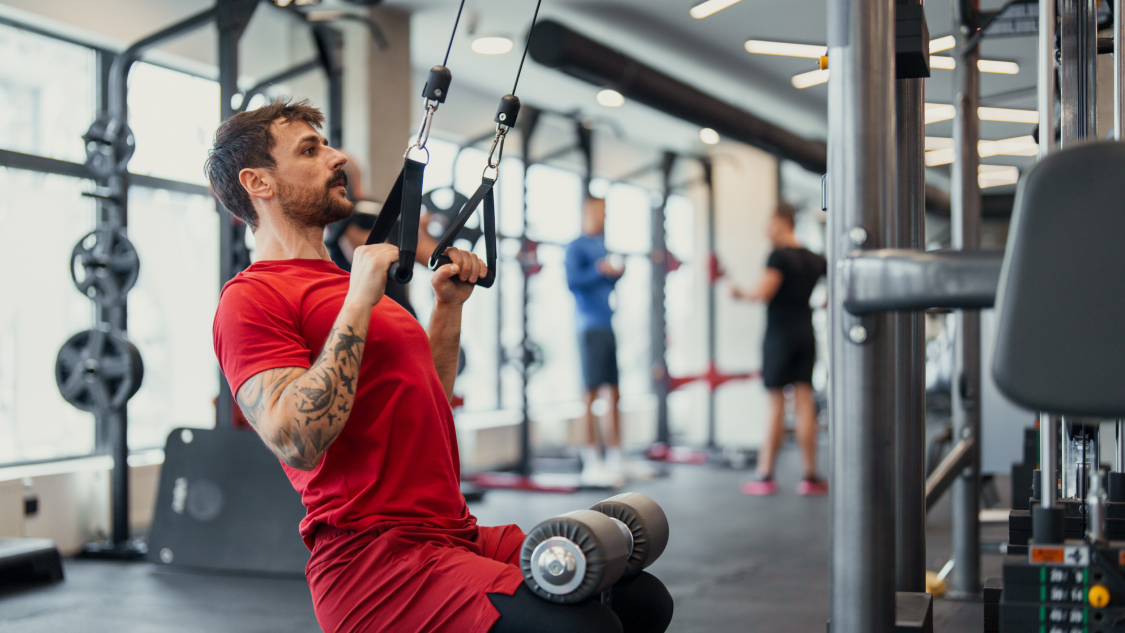
The dual pulley row is a cable-based rowing exercise that allows both arms to operate against the same level of resistance simultaneously. Two handles are connected to two cable pulleys that are at the same height for the dual pulley row. The lifter pulls both handles toward the torso simultaneously while maintaining a consistent speed and posture. This pattern of movement on both sides creates a smooth, regulated pulling motion that keeps the back muscles taut throughout.
It differs from free-weight rows because it emphasises proper form and muscle engagement rather than relying on momentum or body sway. The exercise trains both sides of the body simultaneously, helping maintain balanced muscle activation. The wires keep the stress from going away at any point between the start of the draw and the full contraction. This continuous load helps you bring your shoulder blades back the right way and slows your movement, making it easier to focus on squeezing your back muscles rather than using your arms.
Muscles Worked in the Dual Pulley Row
The dual-pulley row is a good workout for building muscle in your upper and middle back. It works the latissimus dorsi to make the back wider, the rhomboids to make it thicker, and the middle and lower trapezius to pull the shoulder blades back.
The rear deltoids help in extending the shoulder, and the biceps and forearms help with pulling. This movement pattern, unlike the single-pulley row, helps both sides of the back work and expand uniformly because the resistance is evenly distributed on both sides.
Benefits of the Dual Pulley Row
One of the best things about the dual-pulley row is that it ensures that both sides have the same level of resistance, reducing the likelihood that one arm will compensate for the other. The guided cable path also limits the momentum from reaching excessive levels and reduces stress on the joints. This lets lifters safely lift more weight and train more over time. But it can feel less “functional” and lower core activation compared to independent pulling movements.
Key Benefits:
|
Possible Problems:
|


2. What Is a Single Pulley Row?
The single-pulley row works only one arm at a time. This exercise works each side of the back separately. The lifter pulls the handle toward their torso with one arm while also keeping their torso from turning. The exercise really helps fix strength imbalances and gives you better control over your whole back. And as only one side is working at a time, it puts more tension on the obliques and deep core muscles.
Muscles Worked in the Single Pulley Row
The single-pulley row works the same basic back muscles as the dual-pulley row, but it places additional stress on the muscles that help stabilize the body. It works the latissimus dorsi to make the back wider, the rhomboids to make the midsection thicker, and the middle and lower trapezius to help move the shoulder blades.
The rear deltoids help with shoulder extension, and the core muscles keep the torso stable and prevent twisting. This is why the single pulley row is such a good way to improve your balance, control, and overall back symmetry.
Benefits of the Single Pulley Row
Because of its isolation, the single pulley row is a valuable exercise for correcting strength asymmetries and enhancing overall muscle coordination. This makes the exercise perfect for people who lift weights and want to activate their muscles exactly and manage their growth.
However, you can't normally lift as much weight with single-pulley rows, and working each side separately can make you more weary compared to dual-pulley rows. Also, training one side at a time can take longer, making it less efficient for workouts with many reps.
Key Benefits:
|
Possible Problems:
|
3. Which Pulley Row Is Effective for Back Muscle Growth?
These two types, dual pulley vs single pulley row, will both help you gain muscle, but in different ways. Dual-pulley rows are excellent at lifting heavier weights and keeping the muscles in tension, which supports progressive overload and overall back hypertrophy. That is why they attempt to make the traps, rhomboids, and the lats larger and even stronger.
The single-pulley rows apply a one-sided technique that enables both sides of the back to act independently. This extension allows your muscles to be more balanced, your core to be more stable, and your mind-muscle connection to be better, even with a lighter load. This will depend on what you primarily want to accomplish: lifting the most weight, doing so in a balanced way, or both.
Range of Motion Comparison
The dual-pulley row lets you move your arms steadily because both arms move simultaneously under the same resistance. This keeps the lats, rhomboids, and traps at the same level of tension, which is excellent for developing muscle.
The single-pulley row, in its turn, allows the arms to move independently. This will somewhat alter the extent of movement, but it allows the backs of each side to work separately and make up for differences in size and strength in the long run.
Strength & Hypertrophy Potential
The issue of load versus control arises frequently when comparing a dual pulley row vs. a single pulley row. Dual-pulley rows are highly recommended for progressive overload and strength-based hypertrophy, as they can be used with heavier weights.
Single-pulley rows are performed with lighter weights, but focus on building strength on a single side and ensuring the muscles contract precisely. This will aid long-term growth by enhancing muscle balance and eliminating weak points, making it easier to lift heavier weights.
Stability & Core Engagement
Dual-pulley rows are inherently more stable, as they are intended to operate on both sides. This is because they are beginner-friendly and suitable during hard workouts.
In a single-pulley system, the core must exert more effort to prevent the body from rotating. This strengthens the stabilizers and improves posture. This additional stability may help you perform better on a range of compound exercises.
4. What is The Home Alternative to Pulley Rows for Back Training?
Dual and single pulley rows are highly effective for building the back, but one limitation of both is that they usually require gym equipment. So, what if you want to train back at home?
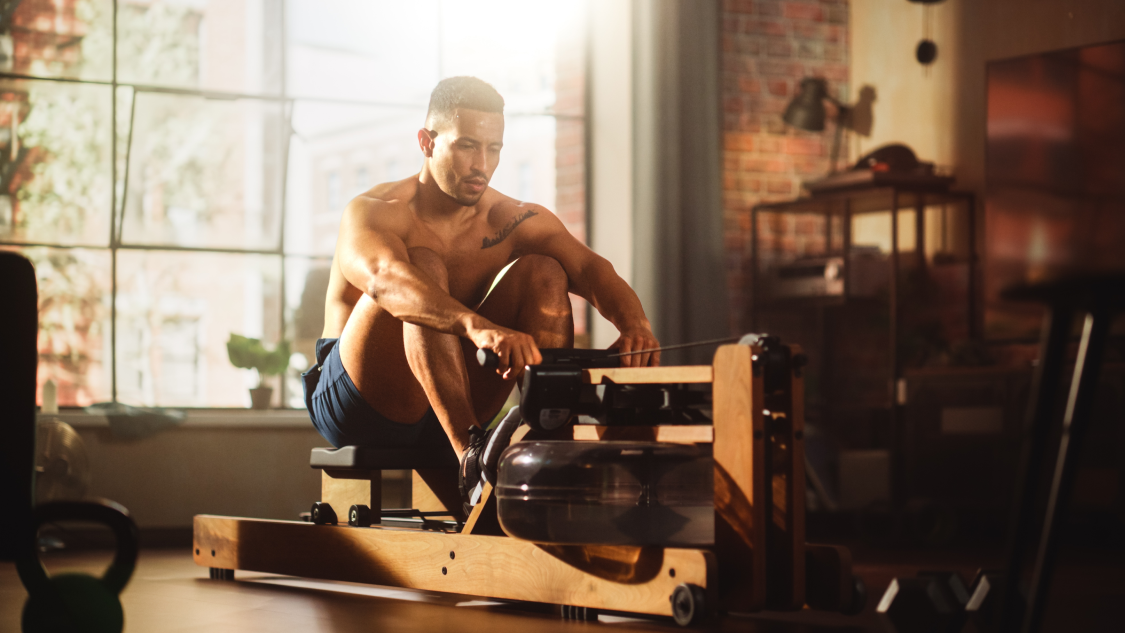
You can use rowing machines as an alternative, especially the air rowers. Rowing mimics the same pulling pattern as pulley rows, activating the lats, rhomboids, traps, rear delts, and core stabilizers throughout the movement. The air resistance naturally scales with your effort. The harder you pull, the more load is applied. It provides a form of progressive overload similar to gym exercises.

For home use, the Merach R50 Air Resistance Rower is an excellent choice. Its smooth, adjustable air resistance lets you train both back and core muscles effectively, while long rowing sessions reduce joint stress compared to heavy cable exercises. With real-time performance tracking and app connectivity, it makes it easier to stay consistent and progressively improve your strength and back development.
However, it's important to remember that rowing cannot fully replace pulley rows. Unlike dual pulley rows, it doesn't allow independent bilateral loading with precise weight selection. Unlike single pulley rows, it cannot target unilateral imbalances with the same level of specificity. For best results, consider using an air resistance rower alongside pulley-based exercises. The rower can build endurance and consistency at home, while pulley rows can be used to refine muscle symmetry and apply targeted overload. This combination provides a more complete approach to back development.
5. Which Should You Choose?
Choosing between the dual-pulley row and single-pulley row is simple: it depends on what you want to improve right now.
| Feature | Dual Pulley Row | Single Pulley Row |
|---|---|---|
| Movement Type | Bilateral | Unilateral |
| Range of Motion | Smooth and equal | Depends on stability |
| Muscle Activation | Balanced and symmetrical | Strong unilateral focus |
| Load Potential | Higher | Lower |
| Core Engagement | Moderate | High |
| Imbalance Correction | Limited | Excellent |
| Best For | Overall hypertrophy | Symmetry and Stability |
For Maximum Lat Development
If your goal is to build bigger lats and increase overall back size, the dual pulley row is the better choice. It allows you to lift heavier weights while maintaining constant tension, which is essential for progressive overload and muscle growth.
For Balanced Back Symmetry
If you struggle with uneven strength or muscle development or want to improve control, the single pulley row is the superior option. Training one side at a time helps correct imbalances, improve coordination, and enhance posture.
For Building Strength & Progressive Overload
For building strength and increasing training volume over time, the dual pulley row stands out. Its stable setup allows you to safely handle heavier loads, making it ideal for hypertrophy-focused programs.
For Home Back Training
If you don't have access to a gym, you can use a rowing machine for training back effectively at home. The air resistance rower mimics the pulling motion of pulley rows, engages the same muscle groups, and allows adjustable resistance based on your effort. It's ideal for strength, hypertrophy, and symmetry, making it a practical and convenient home alternative to both dual and single pulley rows.
For Overall Results
Using both dual-pulley rows and single-pulley rows in the same session is a good approach to make your muscles bigger, more symmetrical, and more efficient over time. As you lift bigger weights, dual-pulley rows will help you grow muscle and strength throughout your body. After this, single-pulley rows will fix imbalances from side to side, making your core more secure, and offer you more control over your muscles.
6. FAQs about Dual Pulley Row vs Single Pulley Row
If you're still unsure which variation to use, below are clear, practical answers to help you make the right decision and apply it effectively in your training.
Q1: Is the dual pulley row better than the single pulley row?
It depends on what you're trying to achieve. If your main goal is building muscle size and lifting heavier weights, the dual pulley row is generally the better option. It allows for greater loading and keeps both sides working together, which is ideal for overall hypertrophy.
However, if you notice one side of your back is weaker or less developed, relying only on dual pulley rows can actually hide that imbalance. In that case, single pulley rows bring both sides up evenly. You can use dual pulley rows for growth and single pulley rows to refine and balance your results.
Q2: Which pulley row is best for beginners?
Generally, the dual-pulley rows are great for beginners because they are more stable and easier to maintain proper form. Beginners who start too early with unilateral training often struggle with posture or torso rotation. A smart progression is to start with dual pulley rows, then gradually add single pulley work as your control improves.
Q3: How to combine dual and single pulley rows in a workout?
If you're unsure how to combine both exercises, here's a simple and effective structure that balances strength, hypertrophy, and symmetry, ensuring you train your back from multiple angles:
- Dual Pulley Row: 3–4 sets with heavier weight of 8–12 reps
- Single Pulley Row: 3 sets of 10–12 reps per side
- Pull-Ups or Lat Pulldowns: 3 sets of 8–12 reps
- Face Pulls or Rear Delt Flyes: 3 sets of 12–15 reps
Q4: How often should I do a pulley row for best results?
2–3 times a week is beneficial for hypertrophy since it gives your back enough stimulus to grow while providing your body ample time to rest between sessions. If you're doing both dual and single pulley rows in the same program, you don't need to go heavy every session. One session focused on heavier dual pulley rows. Another session focused on lighter single pulley rows and control. This balance helps you avoid overtraining.
7. Conclusion
Although the two kinds of rowing cannot be considered the same, they both are quite good for conditioning your back. Dual pulleys can be used in construction since they are the correct size and can handle heavier loads without changing the tension. Single-pulley rows assist you in increasing your equilibrium, core stability, and command on one side, all of which are significant to extended development and injury deterrence.
When it comes to dual pulley row vs single, the best thing to do is to use both a lot. Single rows of pulleys help with symmetry and muscle activation, whereas double rows help with gaining bulk and strength. The right type or combination of the two relies on what you want to achieve, how experienced you are, and your overall training plan.