Cardiovascular is one of the main workouts for a fitness routine, for which many low-impact and high-intensity equipment are readily available for your home gym, offering professional-grade results. Stair climber, among many options, stands out for its unique cardio conditioning, lower-body strengthening, and high calorie deficit. However, without the right approach, it feels like a slow and monotonous grind.
How many calories you can burn on a stair climber depends on different factors, which you will learn in this article. In this guide, we’ll break down the calorie math and also share 7 actionable, science-backed tricks to help you burn more in less time, beat the boredom, and make every minute on the machine count.
1. Why Stair Climbers Burn So Many Calories?
Maybe you've heard that stair climbers are calorie-burning powerhouses, but why? Unlike flat-ground cardio, stair climbers are unique because they lift your body vertically against gravity, which increases your heart rate rapidly and maximizes energy expenditure.
When you walk or run on a treadmill, you're moving horizontally. On a stair climber, you're moving vertically. This means your muscles must constantly lift your entire body weight against the pull of gravity. This "vertical load" requires significantly more calories than simply moving forward on a flat surface.
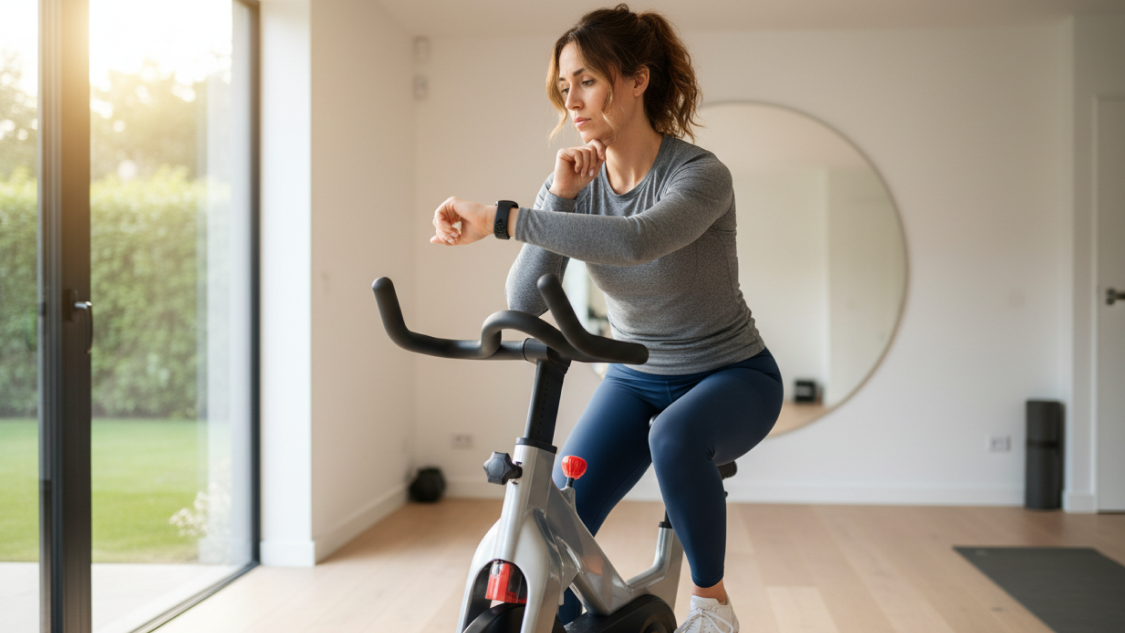
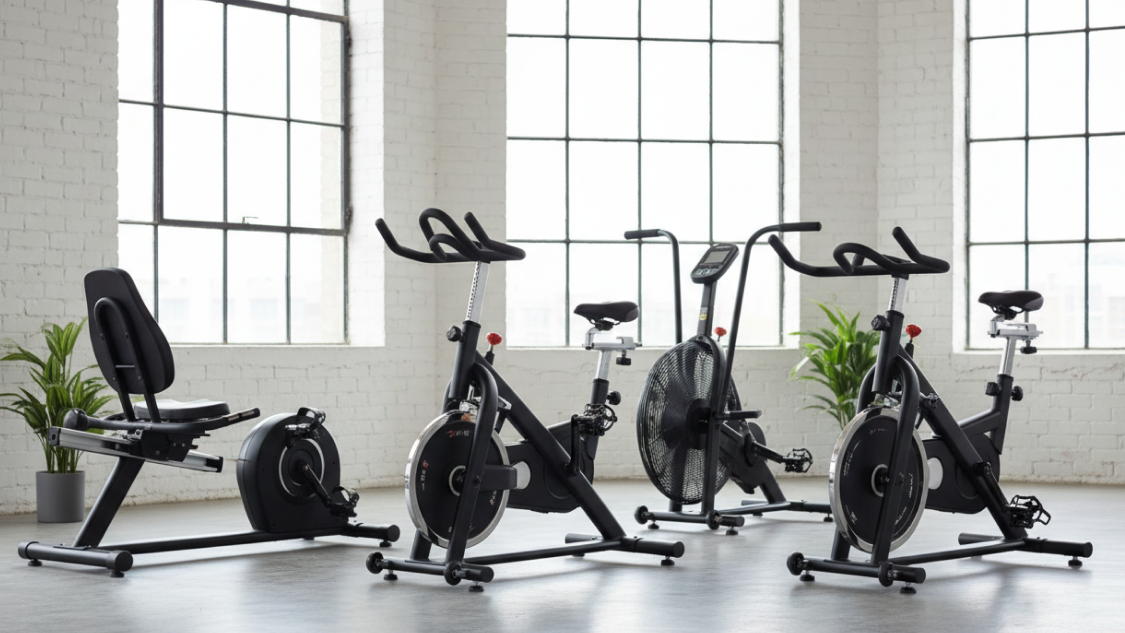
While biking is a seated, low-impact activity that isolates the legs. Stair climbing is a weight-bearing, full-body exercise that also engages your core for stability, resulting in a much higher total energy output. Compared to a treadmill or working out on an exercise bike, a vertical stair climber burns more calories.

2. Calories Burned on a Stair Climber
Calorie is an energy unit that your body utilizes to sustain your life and fuel activity. When you perform workouts like stair climbing, your muscles require energy to contract and sustain movements, especially when your heart, lungs, and entire cardiovascular system work harder.
Estimate of Calorie Burn According to Levels
The resistance and step rate on a stair climber increase with a higher level, and increase the calories burned. Here is the estimated calorie burn for a 155 lbs person performing 30 minutes of stair climbing:
| Stair Climber Level | Estimated Calories Burned (30 Min) |
|---|---|
| Level 1–3 | 160–190 calories |
| Level 4–6 | 200–230 calories |
| Level 7–9 | 240–280 calories |
| Level 10–12 | 290–340 calories |
| Level 13+ | 350+ calories |
Besides intensity, duration, and body weight, other factors also affect the calorie burned. The estimated calorie burn during a 30-minute session at a moderate pace, according to body weight, will be
| Body Weight | Estimated Calories Burned (30 Min) |
|---|---|
| 125 lbs | ~180 calories |
| 155 lbs | ~216 calories |
| 185 lbs | ~252 calories |
A long workout on a stair climber with high intensity can burn
- 45 minutes: ~325–380 calories for a 155-lb person
- 60 minutes: ~432–504 calories at moderate pace
Interval or vigorous intensity can push totals even higher.
Mostly, a scientific calorie estimate is often used, the Metabolic Equivalent of Task (METs). One MET is roughly the energy your body uses at rest. Stair climbing workout ranges from 6 to 12+ METs, with higher values representing greater intensity.
Formula: Calories per minute = MET × body weight (kg) × 3.5 ÷ 200
Understanding METs helps you gauge burn more accurately if your machine’s readout seems too high or too low. If you’re ready to turn these calorie-burning principles into real results, consider bringing the stair climber experience into your own space. The Merach Folding Vertical Stair Climber offers a compact, home-friendly design without sacrificing performance. Multiple resistance levels let you control the challenge and monitor time, steps, and estimated calories burned. You can fit it neatly in corners or closets, perfect for apartments and small homes.
3. Factors Affecting the Calorie-Burning Process on a Stair Climber
There are several physiological and mechanical factors that directly influence your total energy expenditure. To maximize the results, it is better to understand the elements and adjust your workout plan strategically. The factors affecting your results may include
Body Weight and Composition
Your body weight plays a vital role in your calorie loss journey, as a heavier individual typically burns more calories due to a larger body mass that requires greater energy. In addition, muscle tissue is metabolically more active than fat tissue. Individuals with higher lean muscle mass may experience slightly greater calorie burn due to increased metabolic demand during activity.
Workout Intensity
Your workout intensity significantly affects your calorie-burning process. With a higher resistance, fast steps, and more effort, your heart rate will be elevated. As your intensity increases, that means your body requires more fuel, leading to more calorie-burning rate per minute. Incorporating intervals or progressive resistance amplifies this effect.
Duration of Exercise
Every workout requires consistency to ensure maximum calorie expenditure. The longer you remain active, the greater your total calorie expenditure. Short, intense workouts may sometimes produce comparable calorie burn to longer, low-intensity sessions due to elevated metabolic demand.
Step Rate
Steps per minute determine your workload. A faster climbing pace increases cardiovascular strain and muscular engagement. Monitoring and gradually increasing step rate can substantially impact overall calorie burn.
Resistance Level
Higher resistance simulates steeper climbing. This forces your muscles to work harder with each step, thereby increasing energy expenditure. Progressive overload through resistance adjustments is essential for continued improvements.
Fitness Level
As your cardiovascular system adapts to regular stair climbing, your body becomes more efficient. While this is beneficial for endurance, improved efficiency can reduce calories burned at the same intensity. Gradually increasing difficulty helps counteract this adaptation.
4. 7 Tricks to Burn More Calories
There is a misconception that the longer you stay on your exercise equipment, the more calories you will burn. But the reality is, it will only fatigue you; the key is to work out smart with the right tricks to shed more in less time. For example
Increase Intensity Gradually
Start your session with a warm-up at a comfortable pace, and after a couple of minutes, you can increase your intensity a notch or increase the steps per minute. High resistance demands more energy and burns more calories.
Incorporate Interval Training
Ensure you are taking an easy recovery period during a hard burst. For example, one to two minutes at high intensity, followed by a minute of moderate pace, can improve cardio capacity and increase total calorie burn over a session.
Focus on Good Form
Maintain an upright posture with a straight torso and eyes forward. Avoid leaning on handrails; however, a light contact for balance is fine. Make sure your legs are generating most of the force, which leads to deep muscle engagement for high energy expenditure.
Step Height Matters
A taller step means your body has to put more effort per step. If the machine offers an adjustable step height, increasing it slightly forces your muscles to work harder without impacting the speed.
Stay Consistent with Duration
Consistency and intensity are the key; maintaining a regular session of 3 to 5 times a week makes your body adaptive. With time, you can work at high intensities with comfort and increase overall weekly calorie burn.
Wear a Heart Rate Monitor
Calorie readouts are not usually accurate as they only provide a rough estimate. You can use a heart rate monitor because a reliable heart rate monitor gives an approximate estimate of effort and energy burned.
Mix Scarcity and Endurance
Try to combine intense climbs with longer and steadier efforts throughout your week. For example
- One longer session (30–40 min)
- Two interval sessions (15–20 min)
This combination will keep your metabolism active and prevent training plateaus.
6. FAQs Related to Stair Stepper Calories Burn
A vertical stair stepper is a good cardio exercise equipment for calorie burn. If you still have some queries related to it, here are some frequently asked questions related to calories burned on a stair climber.
Q1: Is a stair climber good for weight loss?
Yes, it is. A stair climber is an effective weight loss workout if paired with a calorie deficit, as it burns calories significantly per minute compared to any steady cardio machine. Stair climbing also builds muscle, especially in the lower body, and it can improve resting metabolic rate, helping you burn more calories even outside workouts.
Q2: What is the best intensity for burning the most calories on a stair climber?
High intensity on a stair climber burns more calories if you work consistently. For better results, mix and match a moderate steady-state session and an interval burst. It is recommended for beginners to start with a low pace with consistency and gradually increase the resistance and speed.
Q3: How accurate are stair climber calorie counts on gym machines?
Machines' readouts are usually a rough estimate and often vary across brands and models. Most of them follow the general formulas, which do not account for the user’s body composition or heart rate, leading to discrepancies.
Q4: How long should I use a stair climber to lose weight?
To lose weight effectively on a stair climber, aim for 30-60 minutes per session, 3-5 times per week. The exact duration depends on your fitness level and the intensity of your workout.
- Beginners: Start with 20-30 minutes at a moderate pace. Focus on building consistency and proper form before increasing time or intensity.
- Intermediate/Advanced: Aim for 45-60 minutes. To maximize fat burn, incorporate High-Intensity Interval Training (HIIT). For example, alternate 1 minute of intense climbing with 2 minutes of recovery.
It's better to do 30 minutes 4 times a week than a single 2-hour session. Regular activity keeps your metabolism elevated.
Q5: Is a stair climber suitable for home workouts?
Yes, a stair climber is an excellent choice for home workouts, especially if you choose a foldable model designed for small spaces. Modern home stair climbers are designed to be compact. They can be folded and stored vertically or under a bed, taking up minimal floor space when not in use. And they operate quietly, so you won’t disturb family members or neighbors downstairs. They combine the calorie-torching power of climbing with the convenience of home fitness.
7. Conclusion
A stair climber is one of the most effective ways to burn calories, build strength, and lower body to improve cardiovascular health. Whether it is a StairMaster or a home solution like the Folding Vertical Cardio Exercise Climber, when it is used consistently along with other workouts strategically, you can achieve maximized results.