Choosing from the best treadmills with incline has become a common challenge for US consumers building a home gym. With more people prioritizing home workouts over gym memberships—whether due to busy schedules, inclement weather, or convenience—an incline treadmill is no longer a premium-only feature. It’s now a practical tool for improving calorie burn, adding workout variety, and supporting long-term fitness routines.
But not all treadmills are built the same. From folding treadmill designs for small spaces to higher horsepower machines designed for taller runners, understanding who you are as a buyer matters just as much as understanding the specs.
This guide breaks down 10 common US buyer personas, their real pain points, and how to choose the best incline treadmill for your needs—without overpaying or buying features you’ll never use.
1. What Incline Training Changes in Your Fitness Routine
Incline training changes how your body works during treadmill running or walking. Compared with standard treadmills set at a flat level, incline adjustments increase muscle engagement and raise heart rate at lower speeds. Many users find they can burn more calories without needing higher speeds, making incline training a popular option for both beginners and experienced runners.
Incline workouts also help replicate outdoor terrain. When running outdoors isn’t realistic due to weather, safety, or time constraints, an incline treadmill keeps training consistent and controlled inside your home.
For most treadmills designed for home use, incline ranges between 0% and 10%. Models offering higher incline levels provide more flexibility for walking workouts, interval training, and gradual progression without relying on decline training or excessive speed.
2. 10 US Buyer Personas & Their Pain Points
1. Apartment & Small-Space Users
Pain points:
- Limited floor space
- Noise complaints from neighbors
- Difficulty moving exercise equipment
What they need:
A compact treadmill with a folding treadmill design, quiet operation, and the ability to save space when not in use.
2. Weight Loss Beginners
Pain points:
- Confusing key specs
- Fear of buying higher-end models they won’t fully use
- Unsure how incline training fits into a fitness routine
What they need:
A budget treadmill with built-in programs, clear incline adjustments, and workout programs that help stay motivated.
3. Joint-Sensitive & Low-Impact Users
Pain points:
- Knee or hip discomfort
- Hard decks with poor cushioning
- High-impact treadmill running
What they need:
Great cushioning, a durable machine, and incline training that increases intensity without requiring higher speeds.
4. Seniors & Users With Balance Issues
Pain points:
- Stability concerns
- Complicated controls
- Sudden speed changes
What they need:
Easy setup, predictable adjust speed controls, strong handrails, and conservative incline adjustments.
5. Busy Families Sharing a Home Gym
Pain points:
- Different fitness levels in one household
- Frequent treadmill installation or adjustments
- Noise during early or late workouts
What they need:
Home treadmills with multiple training programs, automatic trainer control, and quiet motors that suit home workouts.
6. Incline Walkers & Walking Pad Users
Pain points:
- Walking pads with limited incline
- Narrow belts
- Few built in workouts
What they need:
An incline treadmill with moderate top speed, wider belts, and incline adjustments that support walking-focused routines.
7. Home Fitness Enthusiasts
Pain points:
- Limited workout programming
- Boring routines
- Lack of bluetooth connectivity
What they need:
Workout programming with app support, Bluetooth speakers or Bluetooth connectivity, and programming options that evolve over time.
8. Taller Runners & Heavier Users
Pain points:
- Short decks
- Low weight limits
- Weak motors at higher speeds
What they need:
Higher horsepower, strong motor performance, solid build quality, and higher weight capacity for confidence at higher speeds.
9. Rehab & Recovery Users
Pain points:
- Steep incline jumps
- Limited control
- Lack of smooth transitions
What they need:
Gradual incline adjustments, built-in programming, and controlled treadmill running for recovery-focused home workouts.
10. Value-Oriented Buyers
Pain points:
- Overpriced premium features
- Unclear best value options
- Paying for features they won’t use
What they need:
The best budget treadmill that balances key specs, durability, and real-world usability without unnecessary extras.
3. A Quick Look at a Practical Incline Treadmill Option
To address many of these personas, some modern foldable treadmill designs focus on balance rather than excess features.

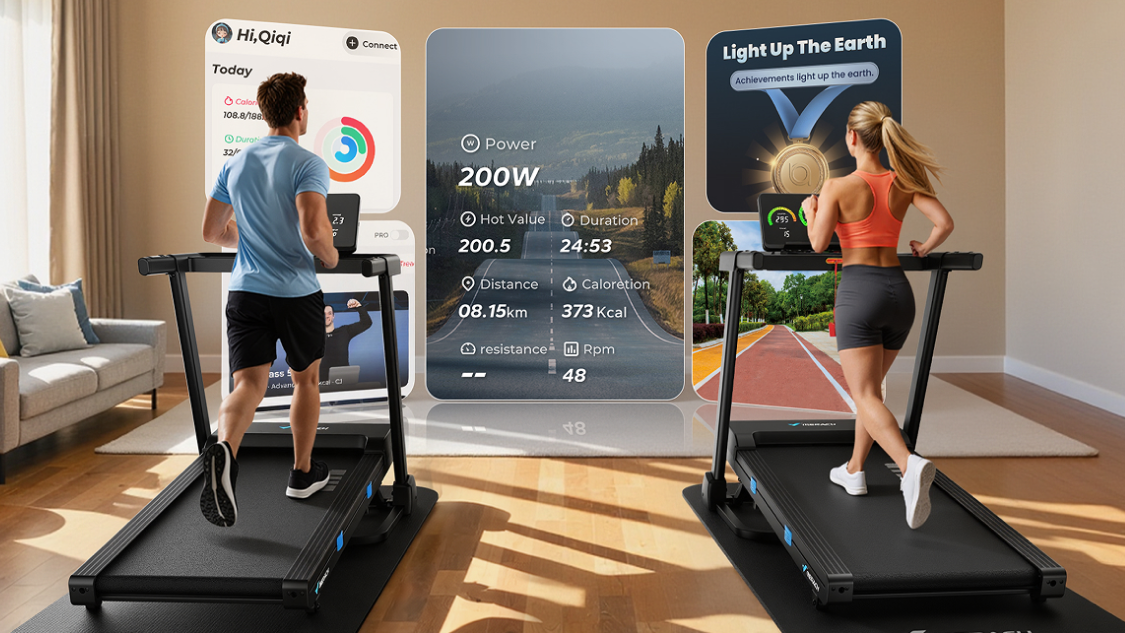
The Merach T12 Pro Foldable Incline Treadmill is an example of a compact treadmill designed for home use. It offers 15 levels of automatic incline, a 0.5–7.5 MPH max speed, and a quiet strong motor that stays under 42 dB—useful for apartments and shared spaces. With built-in programs, heart rate sensors, and a folding frame that helps save space, it’s positioned for users who want incline training without committing to higher-end models or complex installations.
This kind of design focuses on usability, stability, and everyday fitness rather than chasing premium-only features.
4. Incline Treadmill Buying Checklist
Before buying a new treadmill, review these key specs:
- Incline range and incline adjustments
- Max speed and top speed range
- Weight capacity and weight limits
- Motor strength and higher horsepower support
- Built in programs and workout programs
- Noise level for home workouts
- Folding treadmill design for small spaces
- Bluetooth connectivity or app support
- Easy setup and minimal treadmill installation
5. Why Balanced Incline Treadmills Make Sense for Home Use
While higher-end models like Merach treadmills may appeal to advanced runners, most treadmills used at home don’t need extreme speeds or oversized frames. For most runners and walkers, the best treadmills are those that fit daily routines, available space, and long-term consistency.
A well-designed incline treadmill that prioritizes quiet performance, durability, and usable programming often delivers better long-term value than premium features most users never touch.
6. FAQs About Incline Treadmills
Q1: Is incline training effective for weight loss?
Yes. Incline training can increase calories burned without needing higher speeds.
Q2: How much incline do most treadmills offer?
Most treadmills offer 0–10%, while some incline treadmills reach 15% for walking-focused routines.
Q3: Are foldable treadmills stable?
Modern folding treadmill designs are stable when properly built and locked.
Q4: Is a walking pad better than a treadmill?
Walking pads are compact, but incline treadmills offer more versatility.
Q5: What weight capacity should I choose?
Choose a treadmill with weight capacity above your body weight for safety and durability.
Q6: Do home treadmills require professional installation?
Many models offer easy setup and minimal treadmill installation.
7. Final Thoughts
The best incline treadmill is the one that fits your space, fitness routine, and long-term goals. Whether you’re walking, jogging, or training indoors due to weather, incline treadmills remain one of the most flexible pieces of home gym exercise equipment.
Understanding your persona—and choosing a treadmill designed around real use, not hype—helps ensure your investment supports consistent, sustainable fitness at home.