Choosing a foldable rowing machine often comes down to one deceptively simple question: Should you prioritize stability or storage?
For many people shopping for a rowing machine at home—especially those living in apartments, townhouses, or shared spaces—the promise of compact storage is appealing. At the same time, rowing is a powerful, full-body movement, and stability plays a major role in workout quality, safety, and long-term satisfaction.
This guide breaks down the real trade-offs between foldable rowing, structural stability, and workout performance, so you can confidently choose a machine that fits both your space and your training goals.
1. Why Foldable Rowing Machines Are in High Demand?
Home fitness has changed dramatically over the past few years. More users now prioritize space-saving design, quiet operation, and flexibility over permanent gym setups.
A foldable rowing machine addresses several modern needs at once:
- Allows compact storage in small spaces
- Preserves precious floor space between workouts
- Fits easily into apartments, spare rooms, or a garage gym
- Makes indoor rowing accessible to more households
Unlike treadmills or bulky strength machines, rowing offers a total body workout with a smaller footprint. Folding functionality simply makes that benefit even more practical.
2. Understanding Stability in a Rowing Machine
Stability is often overlooked until it becomes a problem.
During a rowing stroke, the body generates force through the legs, transfers it through the core, and finishes with the upper body and arms. That force moves horizontally along the rail, not vertically. If the frame flexes, shifts, or rocks, the rowing experience suffers.
Why Stability Matters
A stable rower ensures:
- Smooth, consistent motion
- Even resistance through the entire stroke
- Better muscle engagement across major muscle groups
- Reduced strain on joints and lower back
- Confidence for taller users and tall individuals
Stability becomes especially important during rowing workouts that involve intervals, higher resistance, or longer sessions focused on cardiovascular exercise and strength training.
3. The Storage Advantage of Foldable Designs
On the other hand, storage matters—sometimes a lot.
Many users don't have a dedicated workout room. For them, a rowing machine that can be stored upright, folded flat, or rolled into a corner is the difference between working out consistently and abandoning the machine entirely.
Common Foldable Storage Styles
Most of the best foldable rowing machines fall into three categories:
-
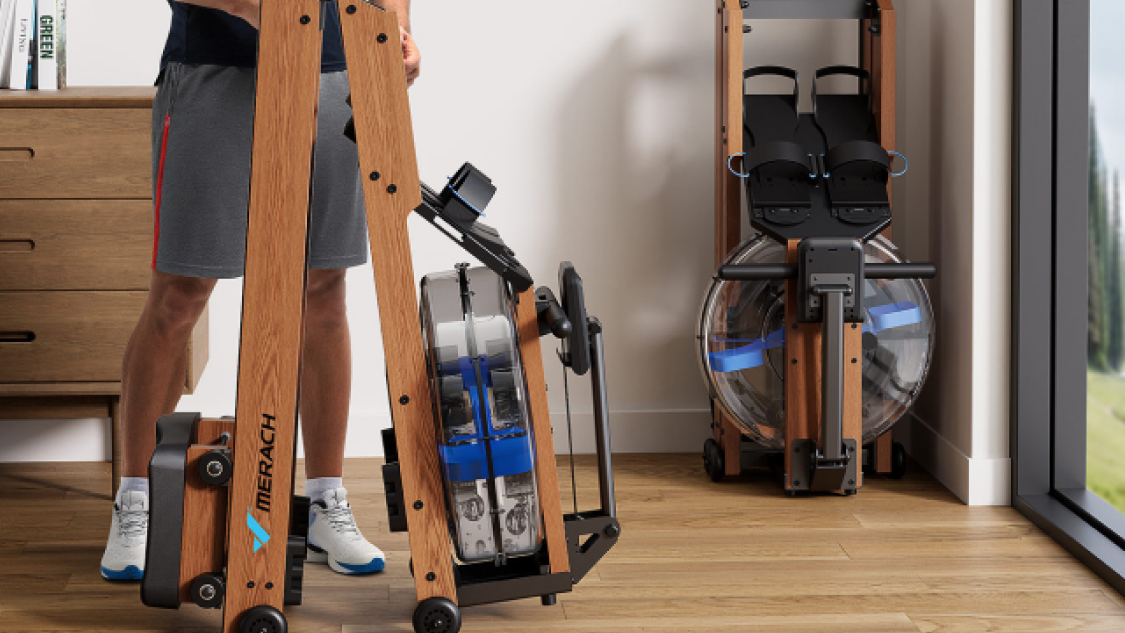
Vertical storage
- The machine stands upright after use
- Saves the most floor space
- Ideal for small spaces
-
Flat folding or compact lay-down
- The rail or monitor folds down
- Slides under a bed or against a wall
- Easier for daily use
-
Partial folding
- Components fold without full vertical storage
- Balances rigidity with easy storage
Each approach impacts stability differently—and not all folding systems are created equal.
4. Foldable Water Rowing Machine vs Magnetic Rower: Stability Comparison
One of the biggest questions buyers ask is whether a foldable water rowing machine sacrifices stability compared to magnetic designs.
Water Resistance Machines

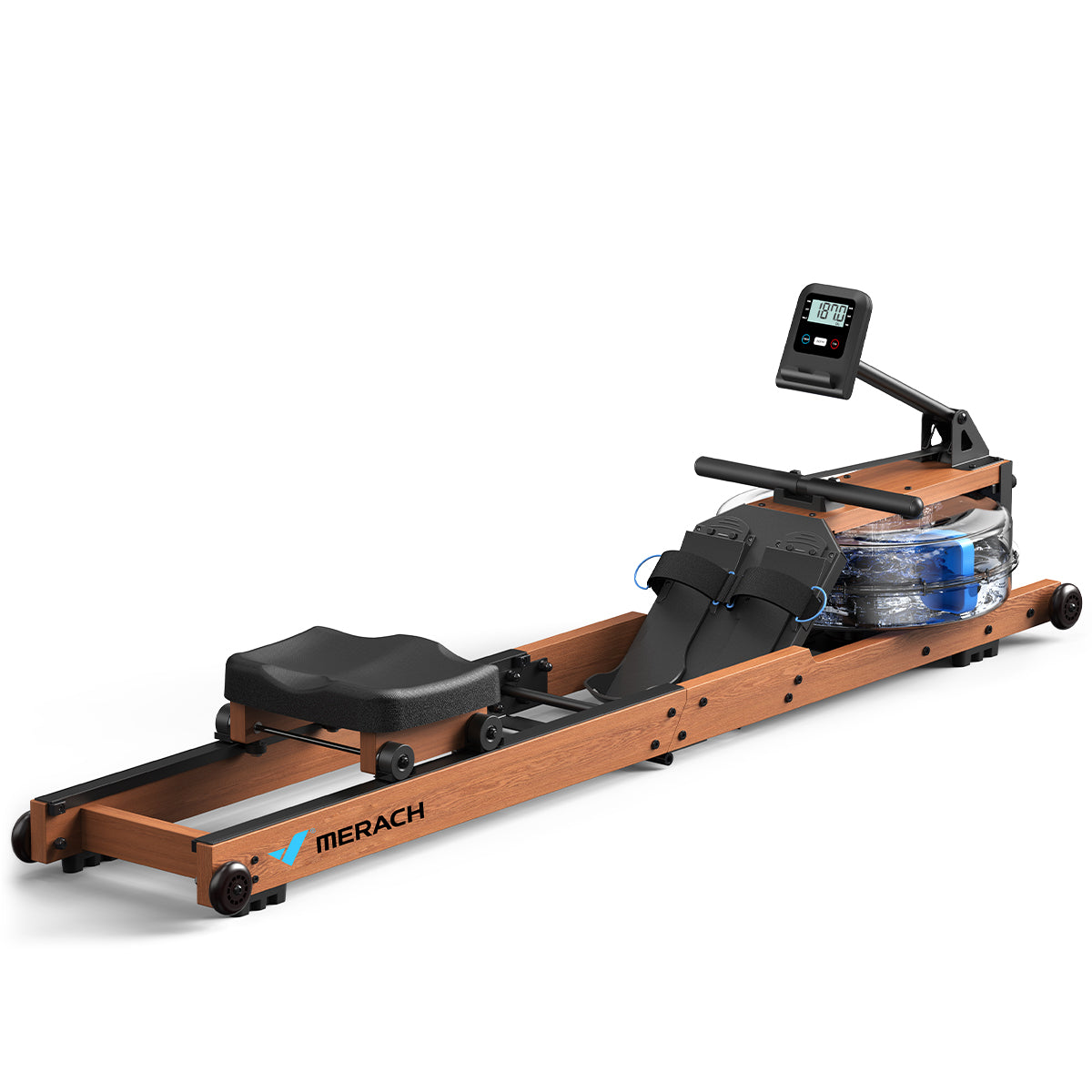
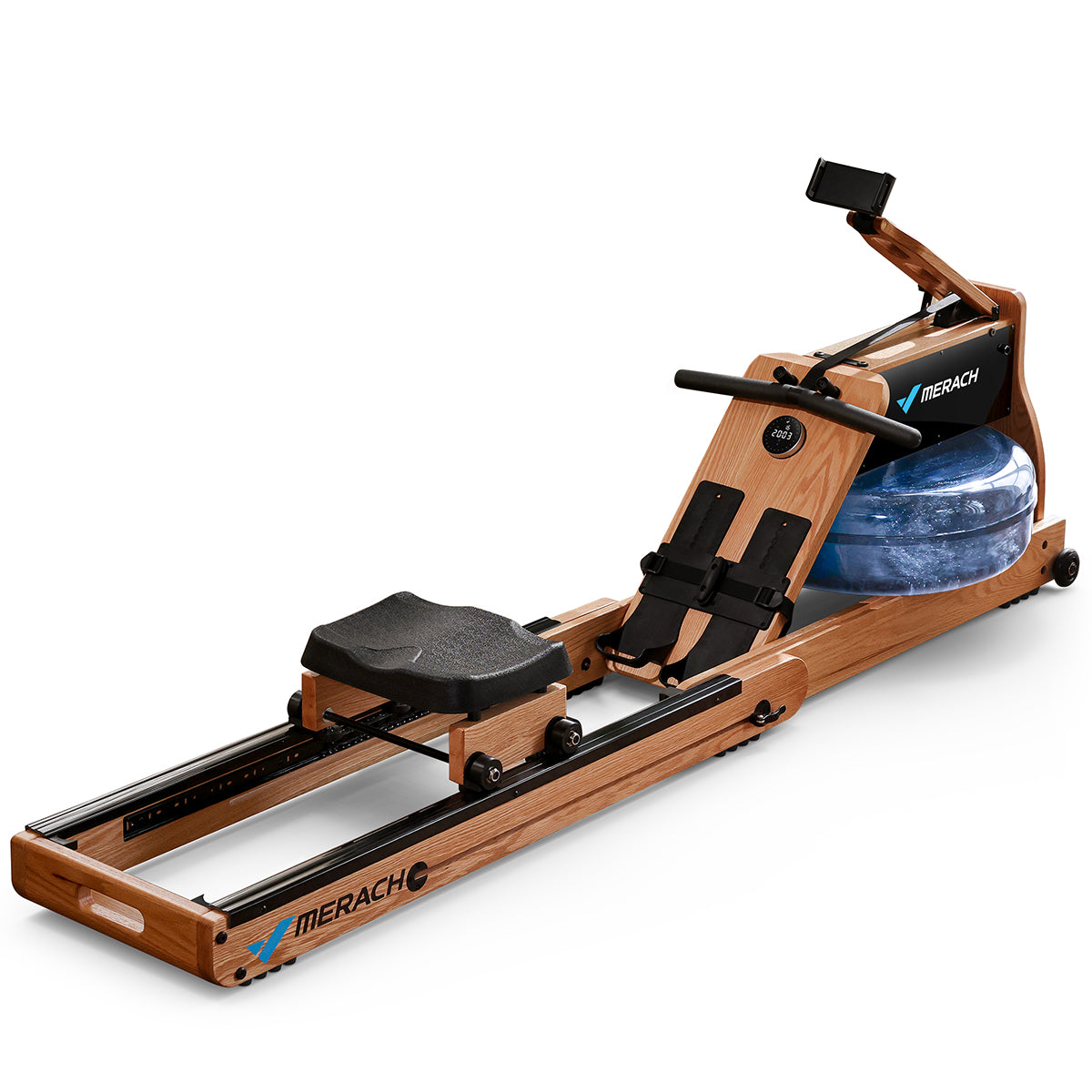
A water rowing machine uses a water tank and paddle system to create resistance. These machines are known for:
- Natural rowing feel
- Smooth stroke
- Audible water sound that mimics outdoor rowing
However, the filled tank adds weight. In foldable designs, this can increase stress on hinges or joints if the folding system isn't engineered carefully.
Well-designed foldable water rowers maintain stability, but few rowers truly balance easy folding with long-term durability.
Magnetic Resistance Machines

Magnetic rowers rely on a flywheel and adjustable magnetic field to control resistance.
Key advantages include:
- Consistent resistance at all stroke speeds
- Quieter operation
- Lighter overall weight
- Less stress on folding mechanisms
For many home users, magnetic resistance offers a more reliable solution when foldability and stability must coexist.
5. Resistance Type and Its Impact on Performance
When evaluating resistance type, consider how you plan to train.
- Magnetic resistance excels in steady-state cardio and interval sessions
- Water resistance emphasizes rhythm and feel
- Air-based systems respond directly to pull intensity
For indoor rowing, magnetic systems often deliver a more predictable load, which helps new users maintain form while still offering a challenge through adjustable resistance level settings.
This is especially helpful for beginners focused on losing weight, building endurance, or easing into low-impact cardio.
6. Stability vs Storage: What Most Rowers Get Wrong
Many buyers assume, “If it folds, it must be less stable.”
That isn't always true.
Modern engineering allows foldable frames to remain rigid when properly reinforced. The key factors are:
- Rail thickness and material
- Locking mechanisms during use
- Weight distribution of the machine
- Flywheel design and internal alignment
Some rowing machines marketed as foldable fail not because they fold—but because they rely on thin frames or poorly designed joints.
A well-designed foldable rower locks into place during workouts and behaves like a fixed unit when in use.
7. Maximum Weight Capacity and User Confidence
One clear indicator of stability is maximum weight capacity.
Higher capacity often signals:
- Stronger frame construction
- Better load distribution
- Suitability for a wider range of athletes
Users who prioritize confidence, safety, and performance should never overlook published capacity ratings—especially if they are new to rowing or plan frequent sessions.
8. Rowing as a Total Body Workout
One reason rowing remains a gold standard in home fitness is its efficiency.
A proper rowing stroke engages:
- Legs (primary power source)
- Core and lower back
- Upper back and shoulders
- Arms and grip strength
That makes rowing an efficient way to combine cardio and muscular conditioning in one motion.
Compared to other exercises, rowing delivers a high calorie burn without high joint impact, making it ideal for long-term consistency.
9. Workout Experience: More Than Just the Frame
Stability and storage matter—but so does engagement.
Modern rowers increasingly include:
- Device holder for phones or tablets
- Basic metrics like time, distance, strokes per minute
- App compatibility for interactive workouts
- Preprogrammed workouts and guided sessions
- Optional on-demand classes
These features support motivation and structure, especially for a new rower building routine and confidence.
10. Noise, Comfort, and Daily Use
In shared homes, quiet operation can be just as important as foldability.
Magnetic systems tend to be quieter than water-based ones, making them better suited for early mornings, apartments, or late-night sessions.
Comfort factors—seat design, handle grip, and foot placement—also affect how often you'll use the machine. An uncomfortable rower quickly becomes unused exercise equipment.
11. Stability Needs of Taller Users
Not all machines accommodate taller users equally.
A stable rowing platform must support:
- Full leg extension
- Smooth rail travel
- Balanced motion without tipping
Short rails or narrow frames can feel restrictive, especially during longer workouts.
If you fall into this category, prioritize rail length and frame rigidity over ultra-compact folding designs.
12. Storage Solutions for Real Homes
The best storage solution is the one you'll actually use.
Ask yourself:
- Will I store it after every workout?
- Do I have wall space for vertical storage?
- Is rolling it away easier than lifting?
- How much more space do I really need?
A machine that folds easily but feels unstable won't get used. Likewise, a rock-solid rower that dominates your living room won't either.
13. Support, Service, and Long-Term Use
Beyond hardware, buyers increasingly value:
- Clear setup instructions
- Responsive support teams
- Helpful training resources
- Great customer service when questions arise
Support matters, especially for first-time users navigating training programs, maintenance, and progression.
14. Final Verdict: Stability and Storage Can Coexist
The idea that you must choose between stability and storage is outdated.
Today's best designs prove that a foldable rowing machine can deliver:
- A stable, confident rowing experience
- Effective rowing workouts
- Reliable, consistent resistance
- Practical, easy storage for everyday homes
The key is thoughtful engineering—not just folding hinges.
If your goal is a sustainable, enjoyable, and effective workout at home, choose a rower that treats stability as a non-negotiable feature and storage as a smart convenience—not a compromise.