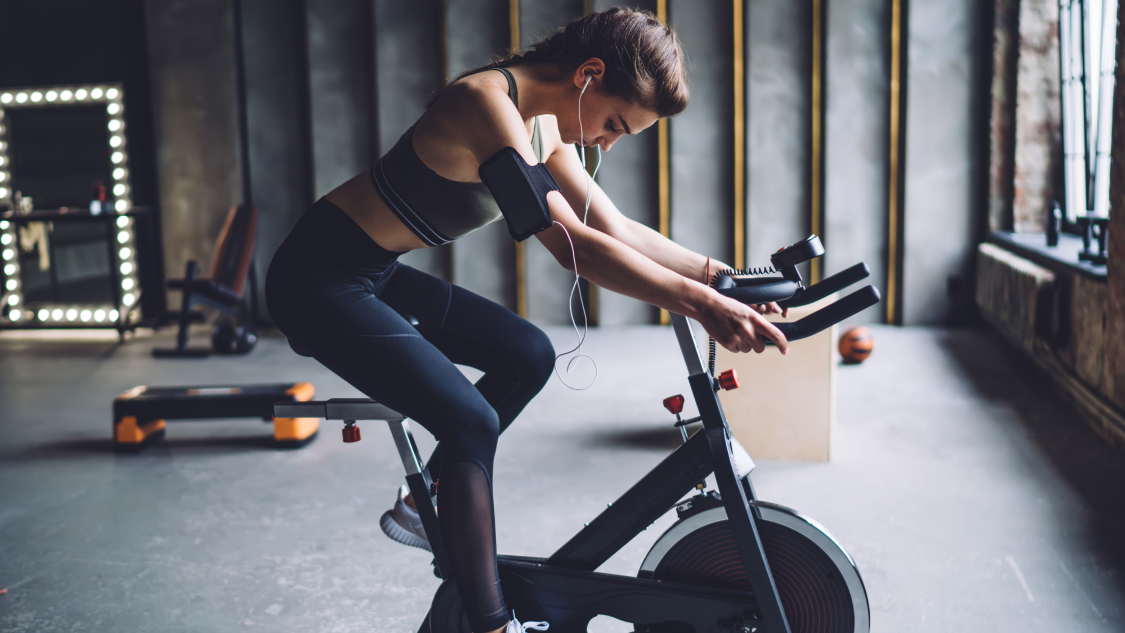
- Cycling bike exercise is a low-impact cardio workout suitable for beginners and intermediates
- A stationary bike helps burn calories, support weight loss, and improve heart health
- Proper bike setup reduces pain and injury risk
- A 20–30 minute stationary bike workout is enough to build fitness
- Indoor cycling works well for different fitness levels, ages, and body types
If you’re looking for a way to exercise at home without stressing your joints, cycling bike exercise is one of the smartest choices you can make.
I’ve coached beginners, older adults, and experienced cyclists, and indoor cycling consistently stands out. It’s simple, adjustable, and easy to stick with. Whether you’re using an exercise bike, a spin bike, or a stationary bike in your living room, cycling indoors lets you move at your own pace while still getting a powerful workout.
Let’s walk through why it works—and how to do it right.
1. Why Cycling Bike Exercise Is So Effective
Low Impact, High Results
Cycling keeps your feet on the pedals, which means no pounding on your joints. Compared with running, stationary cycling is much gentler on the knees, hips, and ankles.
A moderate stationary bike workout can burn 400–600 calories per hour, depending on your weight, speed, and resistance levels. Increase intensity or add short bursts, and calorie burn goes even higher.
That balance of low impact and calorie burn is why cycling is often recommended for people with chronic back pain, limited mobility, or joint sensitivity.
Strong Benefits for Heart Health
Indoor cycling improves cardiovascular fitness and supports long-term heart health. According to widely accepted heart-health guidelines, regular cardio exercise can:
- Lower blood pressure
- Improve cholesterol and triglyceride levels
- Support disease control and overall cardiovascular function
Many riders notice more energy, better stamina, and improved blood pressure after just a few weeks of consistent stationary cycling.
Builds Muscle and Endurance Together
Cycling activates major lower body muscles, including:
- Quadriceps
- Hamstrings
- Glutes
- Calves
2. Choosing the Right Indoor Bike for Your Needs
The right bike is the one that fits your body and your fitness goals.
Common Types of Indoor Bikes
- Recumbent bikes: Offer back support and are popular with older adults or people with chronic back pain
- Spin bike: Designed for high-intensity and indoor cycling classes
- Smart trainers and connected bikes: Support virtual rides and structured workouts
Some stationary bikes create resistance manually, while others use magnetic systems or automatically adjust resistance during workouts. All the models can work—comfort, stability, and consistency matter most.
Practical features like water bottle holders, Bluetooth connectivity, smooth resistance transitions, and a weighted flywheel can make longer workouts easier to maintain.
3. A Smart Option for High-Intensity Home Training: Merach S29 Aura
If you’re looking for a modern exercise bike that supports both steady cardio and high-intensity training, the Merach S29 Aura is a strong option—especially for home users who want a premium screen experience without a complicated setup.

One of its standout features is the 21.5-inch HD display, which rotates 180° horizontally and vertically. This makes it easy to follow guided rides, clearly track workout metrics, or turn the screen toward the floor for off-bike workouts like stretching or HIIT. For many riders, this flexibility removes the need for a separate TV or tablet setup.
Another major advantage is the 16-level automatic resistance system. Instead of adjusting resistance manually, the bike automatically adjusts resistance in real time to match your workout intensity. This is especially helpful during interval training and indoor cycling classes, where smooth resistance changes keep your rhythm intact.
The riding feel is solid and stable thanks to a 40-lb flywheel and a 350-lb weight capacity, making it suitable for a wide range of body types and fitness levels. Both the seat and handlebars are fully adjustable, so you can dial in the right position whether you’re doing short sessions or longer rides.
Despite its performance focus, the S29 Aura remains compact and quiet, using a magnetic resistance mechanism that allows for a smooth, quiet ride. That makes it easy to train early in the morning or late at night without disturbing others.
If your fitness goals include building endurance, improving cardiovascular fitness, and incorporating high-intensity indoor cycling into your routine, the S29 Aura fits naturally into a modern home gym.
4. How to Set Up Your Exercise Bike Correctly
A proper setup helps you cycle safely and reduce pain.
Seat Height
Adjust the seat so your knee has a slight bend at the bottom of the pedal stroke. A seat that’s too low strains the knees, while a seat that’s too high can stress the hips.
Handlebar Position
For most beginners, handlebars should be level with or slightly higher than the seat. This keeps your upper body relaxed and supports a comfortable riding position.
Pedals and Foot Placement
Place the ball of your foot over the pedals. If you use spin shoes or SPD clips, align them so your knees track naturally as your legs move.
A certified personal trainer or physical therapist will always prioritize proper positioning before increasing workout intensity.
5. A Simple 20–30 Minute Stationary Bike Workout
You don’t need complex programming to see results.
Warm Up (5 minutes)
- Easy pace
- Light resistance
- Focus on smooth movements and steady breathing
Main Workout (15–20 minutes)
Repeat 5 rounds:
- 2 minutes at a moderate pace
- 1 minute faster riding or higher resistance
These short bursts help burn calories, build endurance, and increase cardiovascular fitness.
Cool Down (5 minutes)
- Gradually reduce resistance
- Slow your legs
- Let your heart rate come down naturally
This stationary bike workout works on any exercise bike, whether you’re cycling indoors solo or following indoor cycling classes.
6. Common Mistakes to Avoid When Cycling Indoors
- Gripping the handlebars too tightly
- Riding with very low resistance
- Skipping the warm-up
- Focusing only on speed instead of form
- Doing high intensity every workout
Mix high-intensity sessions with longer rides to build fitness safely and avoid burnout.
7. Frequently Asked Questions About Cycling Bike Exercise
Q1: Is cycling good for belly fat?
Cycling helps burn calories and reduce overall body fat. While it doesn’t target belly fat specifically, consistent cycling supports gradual fat loss across the entire body.
Q2: How many times a week should I cycle?
Most people see results cycling 3–5 times per week. Beginners can start with shorter workouts and gradually increase duration as fitness improves.
Q3: Spinning vs running: which is better?
Running burns calories quickly but places more stress on joints. Spinning and stationary cycling are lower impact and often easier to maintain long term, especially for people with joint pain or higher body weight.
Q4: Can cycling help improve energy levels?
Absolutely. Regular cycling improves cardiovascular efficiency, which often leads to more energy throughout the day and better overall fitness.
8. Final Thought
Cycling bike exercise is simple, effective, and adaptable. You can ride hard or take it easy. You can follow virtual rides or keep things quiet and steady.
Start where you are. Adjust resistance as you grow stronger. Let the bike support your fitness goals—one ride at a time.