Cycling has long been one of the most popular ways to improve fitness, build endurance, and support mental health. Today, riders have more choices than ever, especially when comparing indoor vs. outdoor cycling. Some cyclists prefer the control and convenience of riding indoors, while others value the freedom and realism of cycling outdoors.
So which approach is better?
The answer depends on your fitness goals, lifestyle, environment, and training preferences. In this guide, we’ll break down indoor vs outdoor, explore the key differences, and help you understand how indoor and outdoor cycling each fit into a balanced training routine.
1. Understanding Indoor and Outdoor Cycling
At its core, cycling—whether indoor or outdoors—targets cardiovascular endurance, leg strength, and overall conditioning. However, the experience and training outcomes can differ significantly.
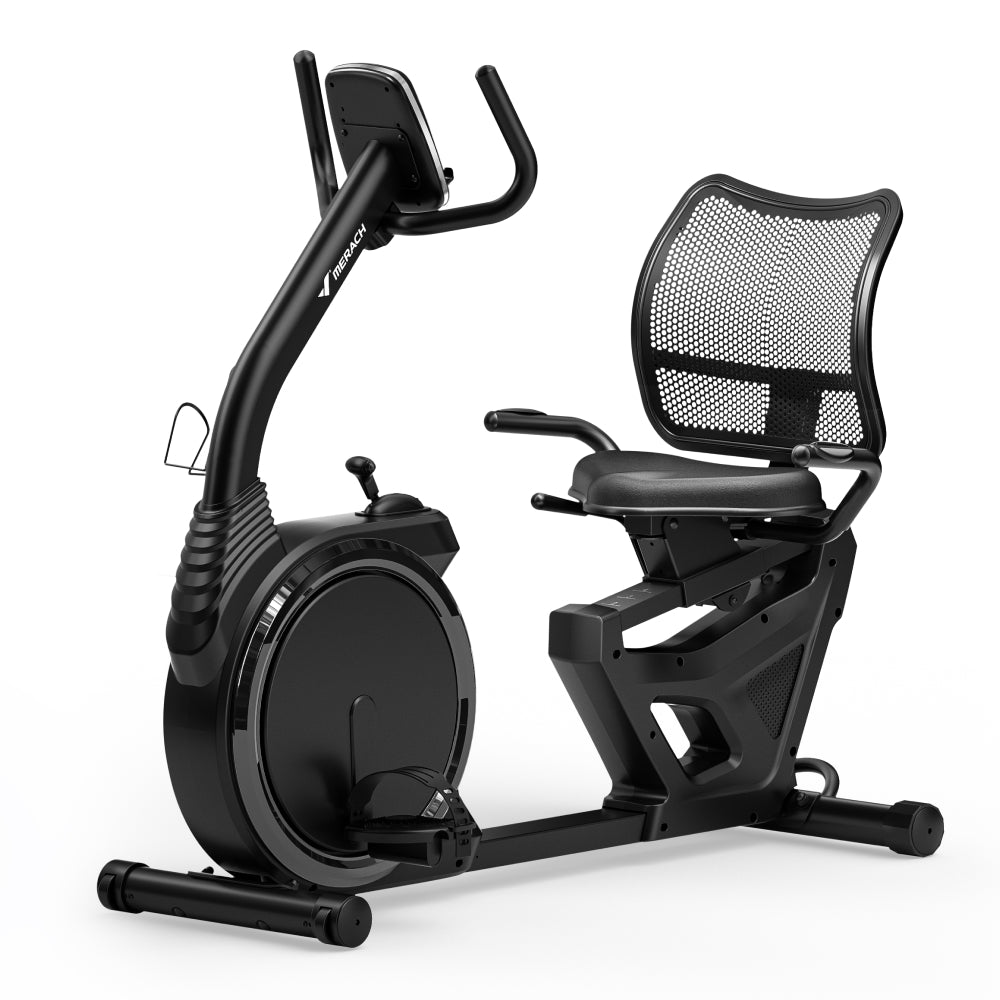
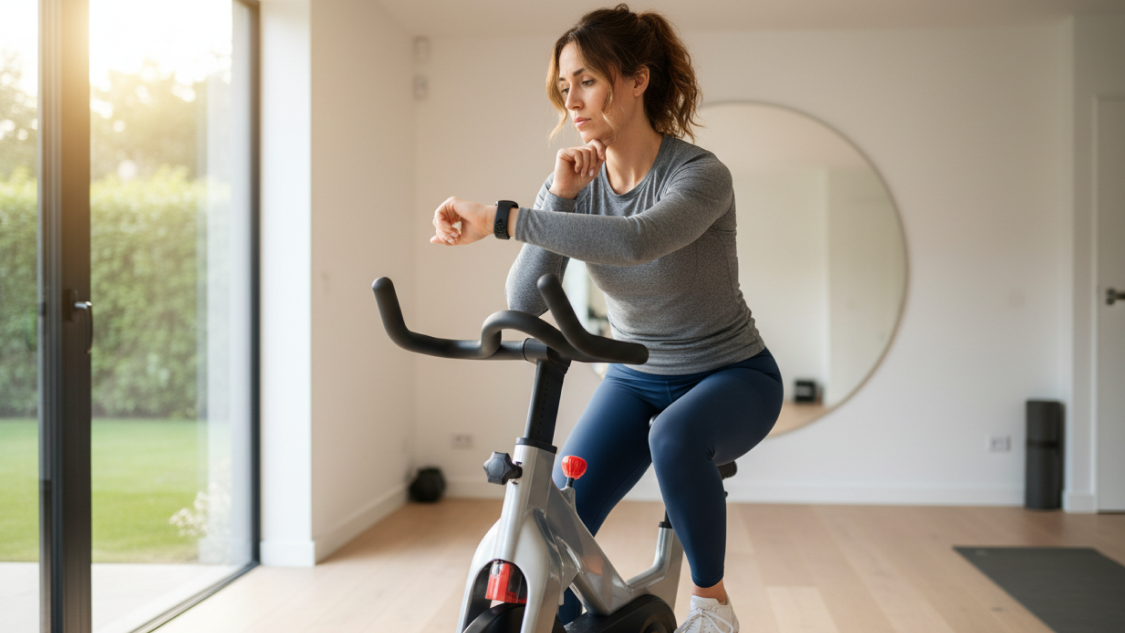
Indoor cycling usually involves a stationary bike, indoor bike, or indoor trainer set up in a training room or home gym. Outdoor cycling takes place on roads, trails, or bike paths using an outdoor bike, often a road bike, where riders deal with real terrain, traffic lights, and weather conditions.
This contrast is why indoor vs outdoor cycling has become such a common discussion among cyclists in the US.
2. Advantages of Indoor Cycling
1. Time-Efficient and Convenient
One of the biggest advantages of indoor cycling is how time-efficient it is. You can start a workout in minutes—no route planning, no gear prep, no worrying about bad weather.
For busy professionals or parents, cycling indoors allows consistent training without interruptions. Even short sessions can deliver an effective workout.
2. Precise Control Over Training
With indoor training, riders benefit from precise control over intensity, cadence, and resistance. Many indoor setups allow you to ride at a target power, follow power zones, and execute a structured training plan.
This precision is especially helpful for improving functional threshold power and managing perceived exertion during higher-intensity sessions.
3. Structured Workouts and Training Plans
Indoor setups make structured workouts easier to follow. Whether you’re doing intervals, recovery rides, or endurance blocks, indoor workouts eliminate variables like wind resistance or traffic.
This structure is ideal during the off-season or when following a specific workout plan.
4. Weatherproof Riding
Weather plays a huge role in outdoor riding. Rain, snow, heat, or ice can disrupt consistency. With indoor cycling, you avoid unsafe weather conditions and stay on track through winter riding or extreme summers.
5. Virtual Training Platforms and Motivation
Modern virtual training platforms and training platforms add engagement to riding inside. Simulated routes, performance data, and goal-based rides help many cyclists stay motivated during their first few rides indoors.
For those who enjoy a group atmosphere, an indoor cycling class or spin class can recreate the social aspect of group rides without leaving home.
3. Disadvantages of Indoor Cycling
1. Reduced Airflow and Heat Buildup
Unlike outdoors, indoor riding often suffers from reduced airflow. Without the best airflow, riders experience higher perceived exertion at the same power output.
This can make indoor riding feel harder, even when output numbers are similar to power outdoors.
2. Limited Bike Handling Skills
Because the bike stays stationary, indoor cycling does little to develop bike handling skills, balance, or cornering technique. These skills are essential for confident riding outdoors.
3. Mental Fatigue for Some Riders
While virtual platforms help, some cyclists still find riding indoors mentally challenging. The lack of scenery and fresh sensory input can reduce long-term enjoyment for certain personalities.
4. Advantages of Outdoor Cycling
1. Real-World Riding Experience
Outdoor cycling delivers what indoor setups can’t fully replicate: real terrain, wind resistance, elevation changes, and continuous adjustments in body position.
This natural variability improves adaptability and contributes to overall riding confidence.
2. Fresh Air and Mental Health Benefits
Being outdoors provides fresh air, sunlight, and scenery—factors strongly linked to improved mental health. For many cyclists, biking outdoors is as much about stress relief as fitness.
3. Community and Social Interaction
Outdoor riding naturally connects you with the broader cycling community. Riding with other cyclists, encountering many cyclists on popular routes, or joining group rides enhances motivation and enjoyment.
The social aspect of outdoor cycling remains one of its strongest advantages.
4. Improved Bike Control and Awareness
Navigating corners, obstacles, and traffic builds situational awareness and advanced bike handling skills. These elements are essential for riders training toward real-world events or long-distance goals.
5. Disadvantages of Outdoor Cycling
1. Weather and Environmental Uncertainty
Unpredictable weather is the biggest drawback of outdoor training. Rain, heat, cold, or wind can reduce ride quality or make conditions unsafe.
2. Interruptions and Safety Risks
Traffic lights, cars, pedestrians, and uneven roads disrupt structured workouts. Holding a steady target power is often impossible, especially in urban environments.
3. Time and Logistics
Outdoor rides require more preparation—gear, route planning, and travel time. For people with tight schedules, this reduces overall training consistency.
6. Indoor vs Outdoor Cycling: Training Impact Comparison
Power, Intensity, and Perception
Many riders notice differences between power outdoors and indoor numbers. Due to reduced airflow, indoor sessions often feel harder, leading to higher perceived exertion at the same wattage.
This doesn’t mean indoor training is less effective—just different.
Body Position and Comfort
Body position tends to be more static indoors. Outdoors, riders shift naturally due to terrain, standing climbs, and road feedback, contributing to comfortable riding over long distances.
Learning Curve and Fitness Level
For beginners, indoor vs outdoor cycling presents a different learning curve. Indoor setups help new riders build confidence, improve fitness level, and establish habits before transitioning outdoors.
7. When to Choose Indoor Cycling
Indoor cycling is ideal if you:
- Need time-efficient workouts
- Train during the off-season
- Prefer structured training
- Ride in areas with poor weather
- Want consistent progress toward specific fitness goals
A Practical Indoor Cycling Option for Modern Homes

For riders who value consistency and convenience, a thoughtfully designed indoor exercise bike can make indoor training far more engaging.
The Merach S26 Aura Exercise Bike is built for modern home use, featuring a 15.6" Full HD rotating screen that supports cycling, strength training, yoga, and Pilates. With screen mirroring, riders can follow training content or enjoy entertainment while tracking real-time metrics like cadence, distance, calories, and resistance. Its quiet operation under 25 dB, adjustable fit for multiple users, and compact design make it a practical choice for daily indoor cycling routines.
8. When to Choose Outdoor Cycling
Outdoor cycling suits riders who:
- Enjoy variety and exploration
- Value mental health benefits
- Want to improve bike handling skills
- Participate in group rides or events
- Prefer real-world riding conditions
9. Combining Indoor and Outdoor Cycling for Best Results
The most effective approach isn’t indoor vs. outdoor, but indoor and outdoor cycling together.
Many cyclists use indoor training for precision and consistency while reserving weekends for outdoor riding. This combination supports both performance and enjoyment, delivering unique benefits that neither method offers alone.
10. Final Thoughts: Indoor vs Outdoor Cycling
When comparing indoor vs outdoor cycling, there’s no universal winner. Each offers clear strengths and unavoidable trade-offs.
Indoor cycling excels in control, safety, and efficiency. Outdoor cycling shines in experience, community, and mental engagement. Understanding the key differences helps you build a routine that aligns with your lifestyle and long-term goals.
Whether you’re riding inside or outdoors, the most important factor is consistency. Choose the setup that keeps you motivated, progressing, and enjoying the ride—because the best cycling workout is the one you’ll stick with.