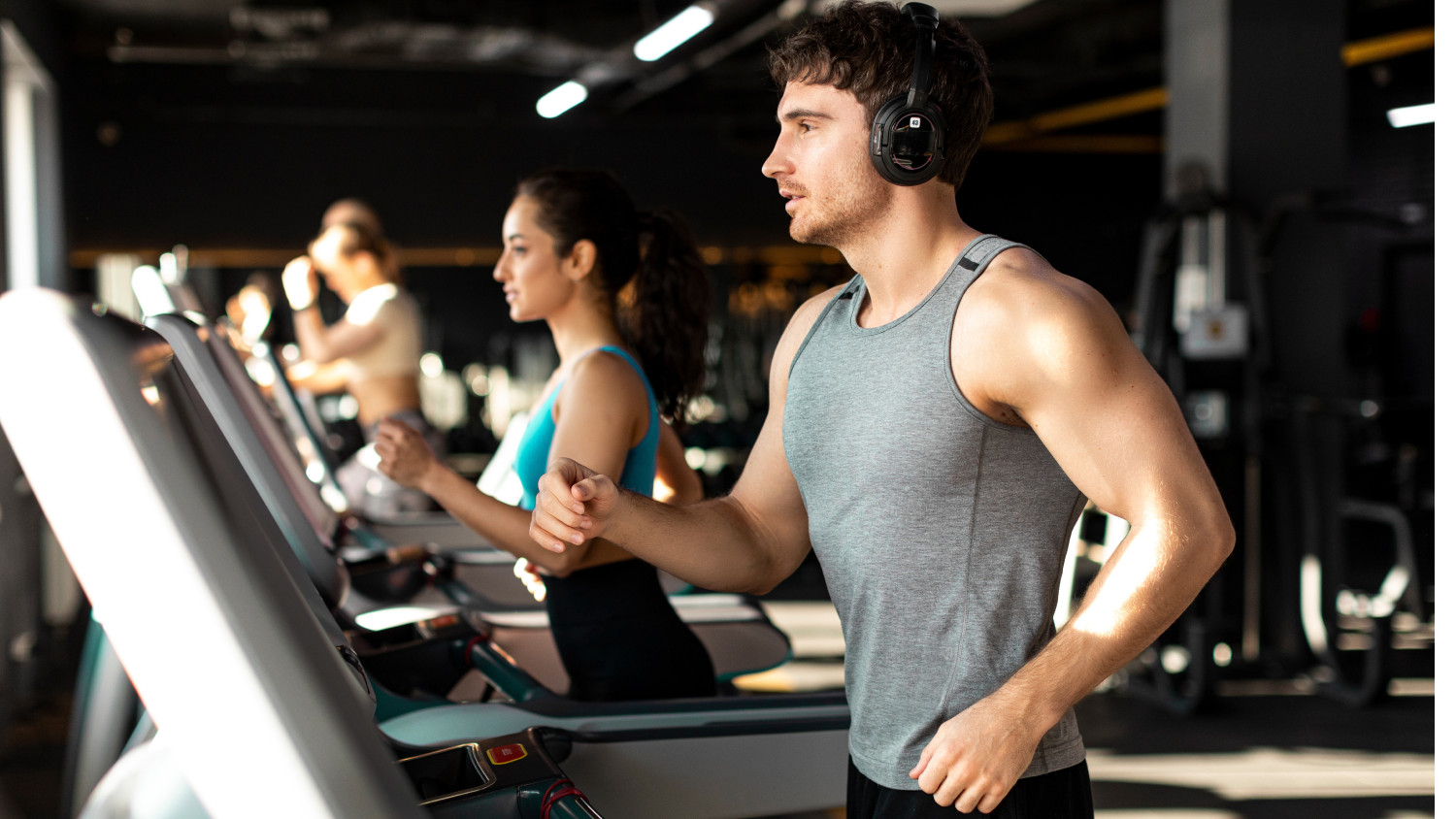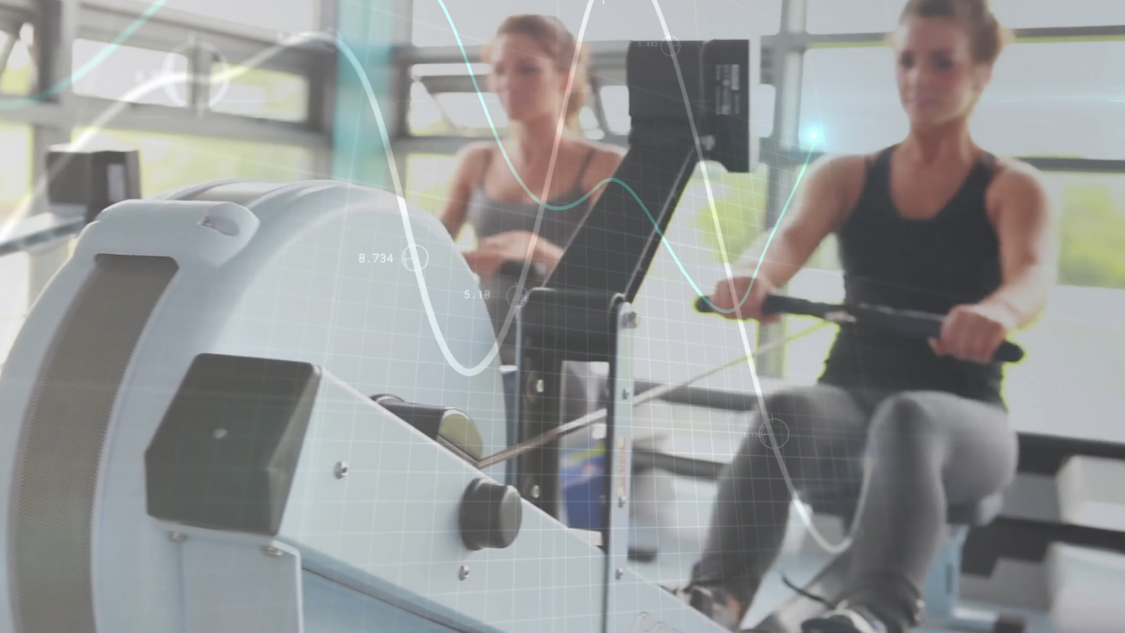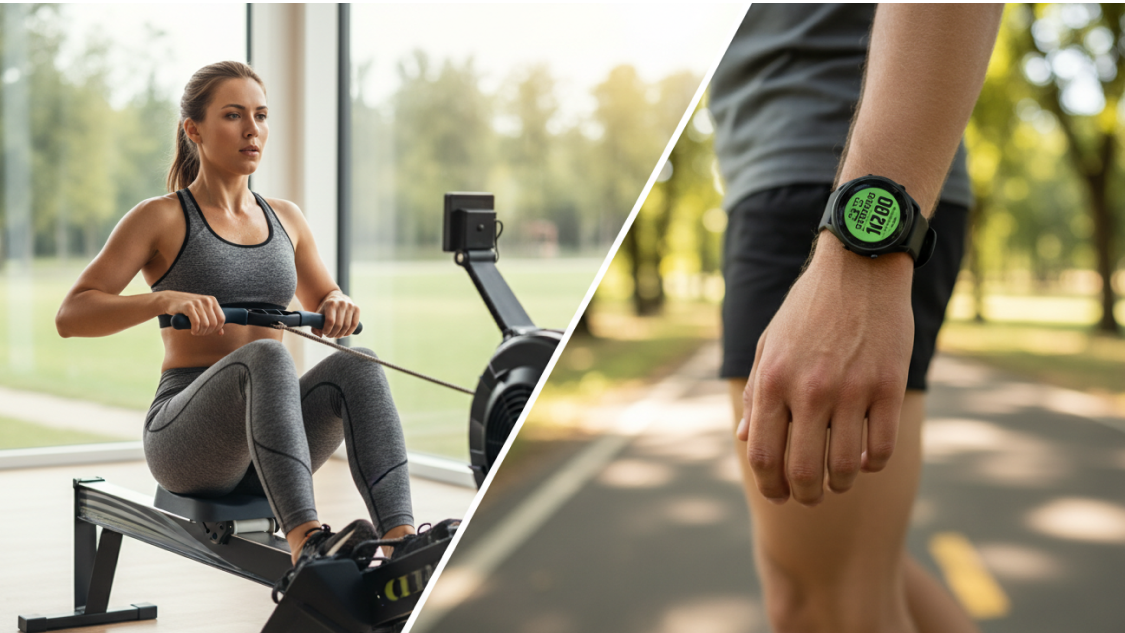
Choosing between a rowing machine and walking can feel surprisingly challenging—especially when both are praised for boosting fitness, supporting weight loss, and improving overall health. But the truth is, these two exercises deliver benefits in completely different ways. Rowing gives you a dynamic, full-body workout that fires up 86% of your muscles in every stroke, while walking offers a simple, accessible, and incredibly effective way to stay active at any age or fitness level.
We are going to deconstruct it in this deep comparison, covering all aspects: the calorie expenditure and muscle activity, the effect on the joints, the security, and the final fitness outcomes, to make a confident decision between the two: walking or rowing machine. Prepare to find out how every workout can boost your health and why you may not have to pick only one!
1. Benefits of Rowing Machines
Like intense cardio workouts, the rowing machine is an absolute beast when it comes to boosting your VO₂ max. It's the efficiency with which your heart transfers oxygen to your muscles during workouts. The rowing machines engage 86% of your muscles, including your upper body and lower body muscles.
Full-Body Muscle Engagement
Other cardio workout types — such as treadmills and exercise bikes only work your lower body. To cover the rest of your muscles, you need to tack on other workout types. However, rowing gives a complete total body workout for your lower body, core muscles, and upper body.
High Calorie Burn in Less Time
Combining a healthy, balanced diet with daily rowing is an ideal way to stay in shape and be active. Comparing walking, more calories are burned on a rowing machine in the same time. When rowing, a 125-pound person can burn 255 calories in 30 minutes of vigorous rowing. By comparison, a person on a walking pad burns fewer calories over a longer period after a hard workout. With a rowing machine, you have a higher calorie burn rate than walking.
Low-Impact & High-Intensity
If you are searching for a workout that blends all the benefits of higher-intensity workouts with a low-impact exercise, consider integrating rowing into your fitness routine. The whole-body workout combines strength, cardiovascular endurance, and coordination to offer both high-intensity and low-impact aspects. As a non-weight-bearing workout, rowing puts less strain on your joints. It also gives a high-intensity cardiovascular workout.
Great for Building Strength
By challenging the cardiovascular system, regular rowing increases endurance. Both walking or rowing machine, they improve your overall endurance and aerobic capacity. But a rowing routine supports both your strength and cardio goals. It delivers a great bang for your back as you integrate these two essential types of exercise into your fitness routine. You will burn more calories taxing the majority of muscles. It makes rowing an effective exercise for offering both cardio and strength benefits.

2. Benefits of Walking
Don't be surprised if your doctor hands you a prescription for a walk the next time you visit the doctor. Yes, this simple thing that you have been doing since your childhood is now the closest thing we have to a wonder drug. Of course, any physical activity, including walking, is a boon to your overall health. But walking in particular comes with several benefits.
Perfect for All Fitness Levels
Whether walking or using a rowing machine is ideal for beginners and people of all fitness levels. Boosting immune function, walking can assist you during the flu and cold season, especially ideal for elderly people.
Low-Impact & Easy on Joints
Walking can help secure the joints, including your knees. It strengthens and lubricates the muscles that support the joints. Several studies have found that walking reduces arthritis-related pain. Beneficial for people with arthritis, as it can alleviate stiffness and joint pain. It also helps strengthen the muscles in your legs, protecting and stabilizing the joints from further damage.
Simple, Free & Accessible Anywhere
Walking can easily be integrated into your daily routine, as it is free. All you need to begin walking is a durable pair of walking shoes. It can also reduce symptoms of social withdrawal and low self-esteem. To experience these benefits, aim for 30 minutes of brisk walking 3 days a week. You can also break it up into three 10-minute walks. If you're lazy to go out, buying a walking pad for home use is also an option.

3. Rowing Machine vs Walking for Weight Loss
Selecting the right workouts is usually a matter of personal preference. Understanding the significant advantages of various exercises can make all the nuances in your exercise progress. You'll delve into rowing vs walking for weight loss to assist you in making a choice.
Which Burns More Calories?
While choosing a walking vs rowing machine, rowing always shines as a calorie-burning powerhouse. It is an efficient series of unified movements permitting you an impressive calorie burn. Walking while being effective generally needs more distance, intensity, and time to match the calorie-burning potential of rowing.
Below is a detailed comparison of calorie burn by duration, based on a 155 lb (70 kg) adult. This will help you determine which activity aligns best with your weight loss goals, schedule, and fitness level.
| Activity | Intensity / Speed | 30 Minutes | 45 Minutes | 60 Minutes |
|---|---|---|---|---|
| Rowing Machine | Moderate | 260-300 cal | 390-450 cal | 520-600 cal |
| Vigorous | 370-440 cal | 550-660 cal | 740-880 cal | |
| Walking | 3 mph | 260-300 cal | 210-270 cal | 280-360 cal |
| 4 mph | 260-300 cal | 285-360 cal | 380-480 cal |
Note: Data based on average calorie expenditure for a 155 lb (70 kg) adult
As shown in the table, rowing machines have a significant advantage in fat-burning efficiency. Rowing machines burn significantly more calories in the same time frame - 30 minutes of vigorous rowing equals approximately 60 minutes of brisk walking.
Which Is Better for Fat Loss?
Both rowing machines and walking can help with fat loss, but they do so in different ways. In terms of fat loss, rowing is hard to beat. The high-intensity nature of rowing makes it burn more calories in shorter periods, but requires higher fitness levels. If your priority is maximum calorie burn in minimal time, the rowing machine is superior. A 45-minute vigorous rowing session equals over 90 minutes of brisk walking.

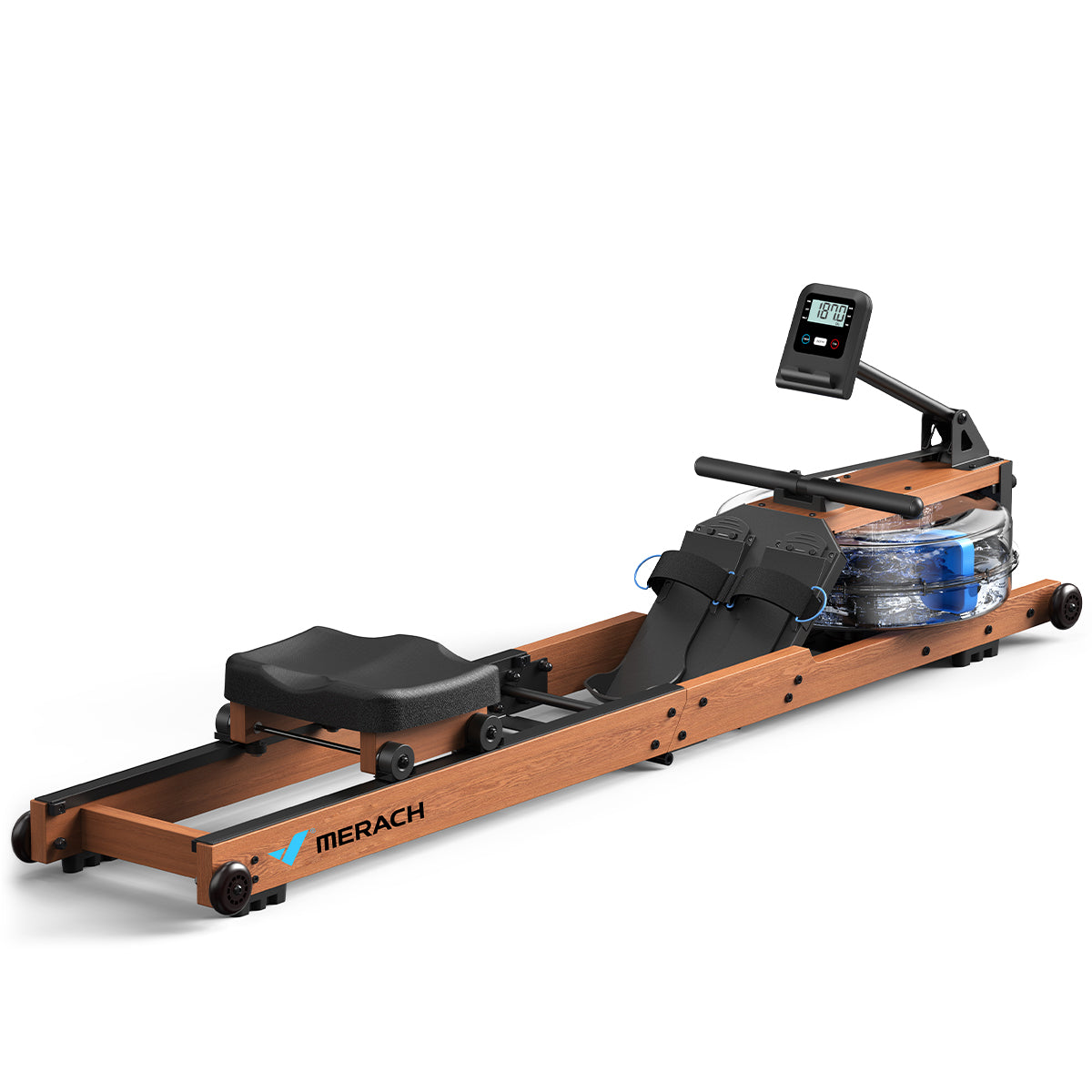
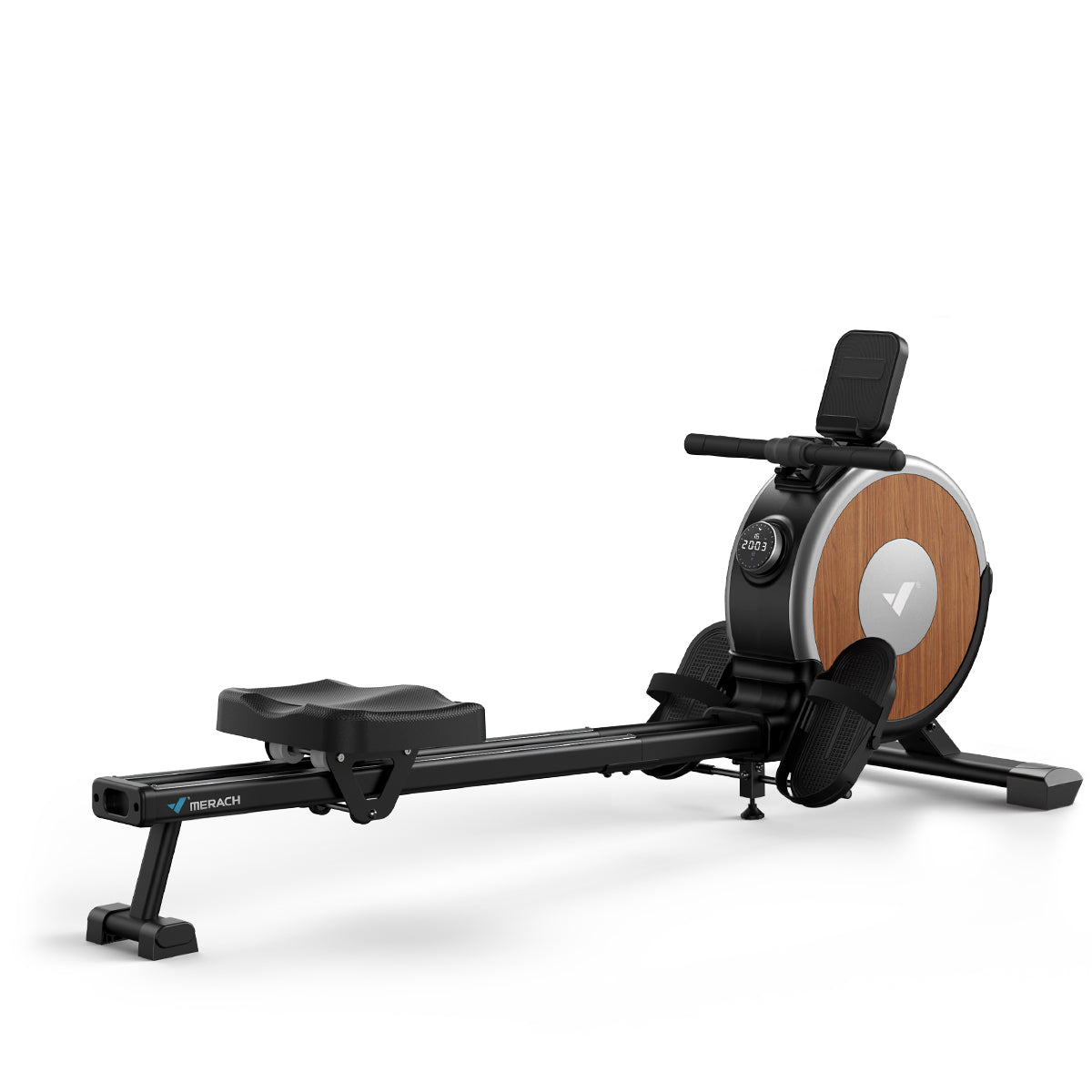
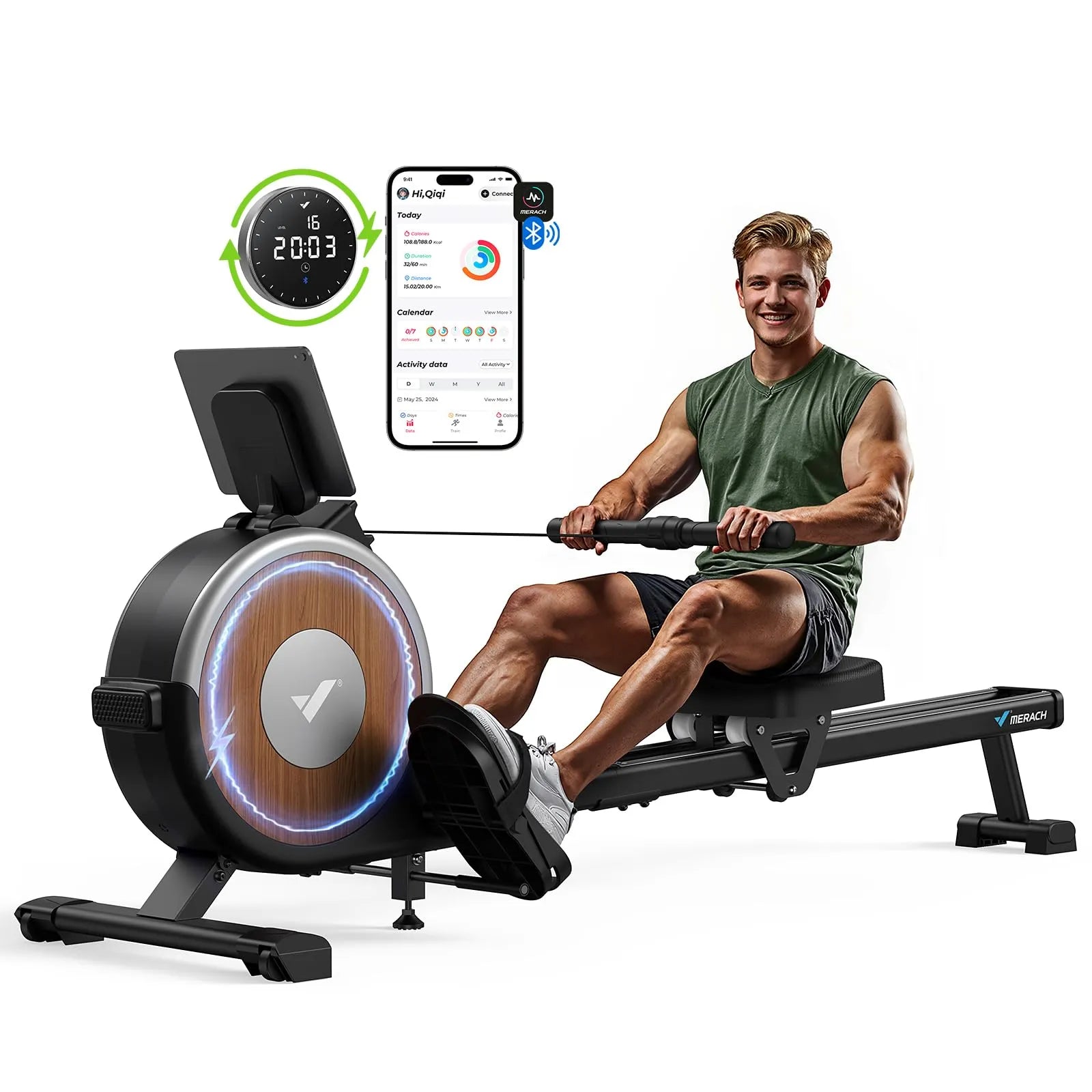
The Merach R50 Air Rower offers 10-level resistance and great value for money, so it won't break the bank for beginners. The harder you pull, the higher the resistance and the more calories can be burned. It provides a smooth, natural rowing feel, perfect for HIIT, endurance training, or weight loss. Plus, it easily splits into two pieces for storage at home.
Walking adds to fat burn as well, but it takes a relatively long time to take effect. Compared to rowing machines, walking is easier to maintain long-term and can be incorporated into daily routines. For sustainability and daily consistency, walking is more practical. You can match rowing's calorie burn by extending walking time more than 60 minutes or increasing intensity.

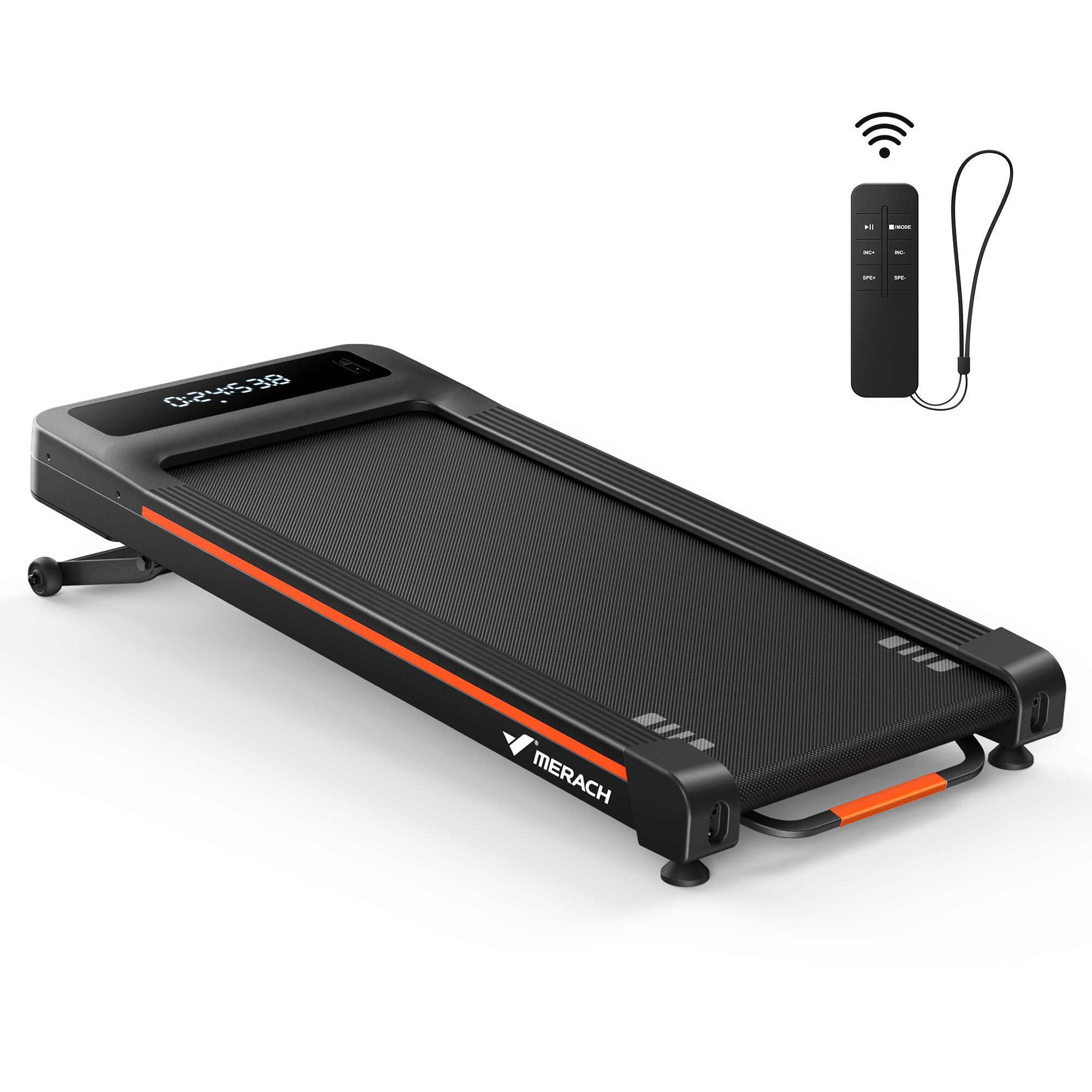
If walking is your go-to for consistent daily movement, you can try the Merach W50 TrekPad. It is a 400 lb weight capacity walking pad with 0-12% auto incline, while its 3.5 HP motor delivers treadmill-grade performance. Whether you’re walking during work breaks or while watching TV, this comfortable, quiet, and compact walking pad integrates movement seamlessly into your day.
The most effective approach combines both methods: 2-3 high-intensity rowing sessions weekly supplemented with daily walking activities (commuting, lunch breaks, etc.). This combination ensures sufficient calorie expenditure while maintaining joint health and sustainability.
4. Rowing Machine vs Walking for Muscle Toning
Both rowing and walking can contribute to a more toned physique, but they work your muscles in distinctly different ways. While walking primarily targets your lower body through repetitive motion, rowing engages nearly every major muscle group in a coordinated, resistance-based pattern.
Rowing for Full Body Engagement
A rowing machine offers a complete upper-body workout, captivating various major muscle groups. These include biceps, rhomboid, shoulders, forearms, and triceps. Your upper-body muscles aren't the only major muscles worked out as you row! You also target your lower-body muscles while rowing. These include hamstrings, calves, quadriceps, and glutes.
Walking for Leg Strength and Endurance
Walking can tone and strengthen the muscles in your legs. Walk in a hilly area, or find routes with stairs to develop more strength. You can also use a walking pad with inclines to strengthen your leg muscles or do walking with other cross-training techniques like jogging or cycling.
Which Option Builds More Muscle?
For noticeable muscle growth, rowing is unequivocally more effective. Unlike walking, the rowing machine provides progressive overload opportunities by increasing resistance levels, similar to weight training principles. Whether air, water, or magnetic rowers force muscles to adapt and grow. However, walking remains valuable for active recovery and maintaining muscle during weight loss. For optimal results, combine 2-3 weekly rowing sessions with strength training, using walking for active recovery days.

5. Rowing Machine vs Walking for Joint Health
Both the rowing machine and walking are low-impact. Walking is often considered the gold standard for joint health, particularly for seniors and those with existing injuries, because its low-impact nature places minimal stress on knees, hips, and ankles. While sitting on rowing machines eliminates pounding on knees and strengthens core muscles at the same time, without joint compression.
Safe Options for Seniors or Those With Injuries
| Choose walking if | Choose rowing if |
|---|---|
|
|
For most seniors and those with joint concerns, a combination of both activities often works best:
- Daily walking for bone health, balance, and joint mobility
- 2-3 rowing sessions per week for full-body strength and cardiovascular fitness
But consult with a physical therapist before starting any new exercise program, and start slowly and gradually increase duration and intensity.
6. Rowing Machine vs Walking: Which Is Better for You?
You can add rowing to your exercise routine. Different factors need to be considered to select a better option between the rowing machine vs walking.
Your Fitness Goals
Rowing is superior for strength building and a full-body workout. According to your best fitness routine, walking is excellent for general health and consistent low-intensity work.
Both walking and the rowing machine are effective for calorie burning. Rowing generally burns more calories in a shorter time due to whole-body engagement and higher intensity. Consistent walking can also lead to significant weight loss over time, but lower than rowing.
Your Current Physical Condition
If you have joint issues, rowing is likely the better option than walking. It is a non-weight-bearing choice. It puts less pressure on ankles, knees, and hips. If you are having back issues, caution is required for both options. Proper rowing form is essential; wrong form can strain the lower back.
Walking is a highly accessible starting point if you are new to exercise. Rowing needs learning the right technique to maximize efficiency and avoid injury.
Time, Budget & Equipment Access
Both walking and rowing machinescan be selected for workouts depending on your time, budget, and equipment access.
- Time: If you are low on time, an intense rowing session for 20 minutes can be highly effective for you. A walking mat needs 45-60 minutes to achieve the same goals and similar cardiovascular advantages.
- Budget: Walking is comparatively free; all you require for walking is a good pair of shoes. Rowing, in comparison, needs access to a machine, meaning either a significant upfront investment in a rowing machine for home or a gym membership.
- Equipment access: Rowing is restricted to locations having specific equipment. You can walk almost anytime, anywhere.
7. FAQs about Rowing Machine vs Walking
Now that you understand the calorie burn comparison and equipment recommendations, you might have some specific questions about how these two activities fit into your fitness journey. The following addresses the most common concerns people have when choosing between rowing and walking for weight loss and overall health.
Q1: Is rowing better than walking for weight loss?
Yes—rowing generally burns more calories in less time because it engages 86% of your muscles and allows higher-intensity training. However, walking can still support weight loss if done consistently, especially at a brisk pace or on an incline.
Q2: Which is easier for beginners: a rowing machine vs walking?
Walking is easier for absolute beginners because it requires no learning curve and minimal equipment. Rowing is also beginner-friendly but does require proper technique to avoid strain and get the most benefit from each stroke.
Q3: Is rowing hard on the back or joints?
Rowing is low-impact and gentle on the joints, but poor form can strain the lower back. With correct technique, it becomes one of the safest full-body workouts—even for people with joint issues. Walking is also low-impact and particularly good for knee and hip health.
8. Conclusion
Consider comparing a rowing machine vs walkingin your quest for optimal fitness, to understand the individual advantages fully. While it is natural to be curious regarding which exercise or workout method is “better”. It is essential to remember that both walking and rowing for weight loss serve specific purposes and have unique strengths. The choice finally relies upon your fitness level, preferences, and goals. In reality, there is no need to select a winner. Walking and rowing can both coexist harmoniously in your fitness routine. They create a well-rounded and balanced approach.