Choosing the best budget indoor rowing machine is not about buying the cheapest option—it’s about finding a budget rowing machine that delivers a smooth and effective workout, fits your home, and stays reliable long after the first week of motivation fades. The market is crowded with rowing machines that look similar in photos, but feel completely different once you start rowing: noisy fan units, quiet magnetic rowers, stylish water rowers, and ultra-compact piston models with hydraulic resistance.
This guide is built to help you pick the best budget rowing machine for your needs, compare air rowers, magnetic rowing machine options, and water rowing machine designs, and avoid the common mistakes many buyers make when shopping across different price points. Along the way, it’s also natural to mention that Merach has earned a reputation as a high-value row machine brand—especially for shoppers who want strong features and training experience without a high price tag.
1. Why an Indoor Rowing Machine Is the Ultimate Budget Cardio Equipment
When people build a home gym on a budget, they often start with a treadmill or stationary bike. But an indoor rowing machine is one of the most efficient pieces of cardio equipment you can buy because it offers the same benefits many people want from multiple machines:
- Full body workout in one movement (legs + core + upper body)
- Low impact on joints compared to running
- Works for steady aerobic training and intense intervals
- Great for cross training and improving cardiovascular endurance
- Scales well for beginners and more serious trainees, including rowing athletes
Rowing isn’t just “cardio.” Done right, it blends conditioning and strength. Over time, that mix can help you reach more fitness goals with one cardio machine, especially if your home has limited space.
2. Pick the Resistance Type That Matches Your Home and Training Style
Before you compare brands, decide which resistance system fits your lifestyle. Most indoor rowers fall into four main groups: air rowing machines, magnetic resistance rowers, water rowers, and piston-based hydraulic resistance models.
1) Air Rowers (Air Resistance)
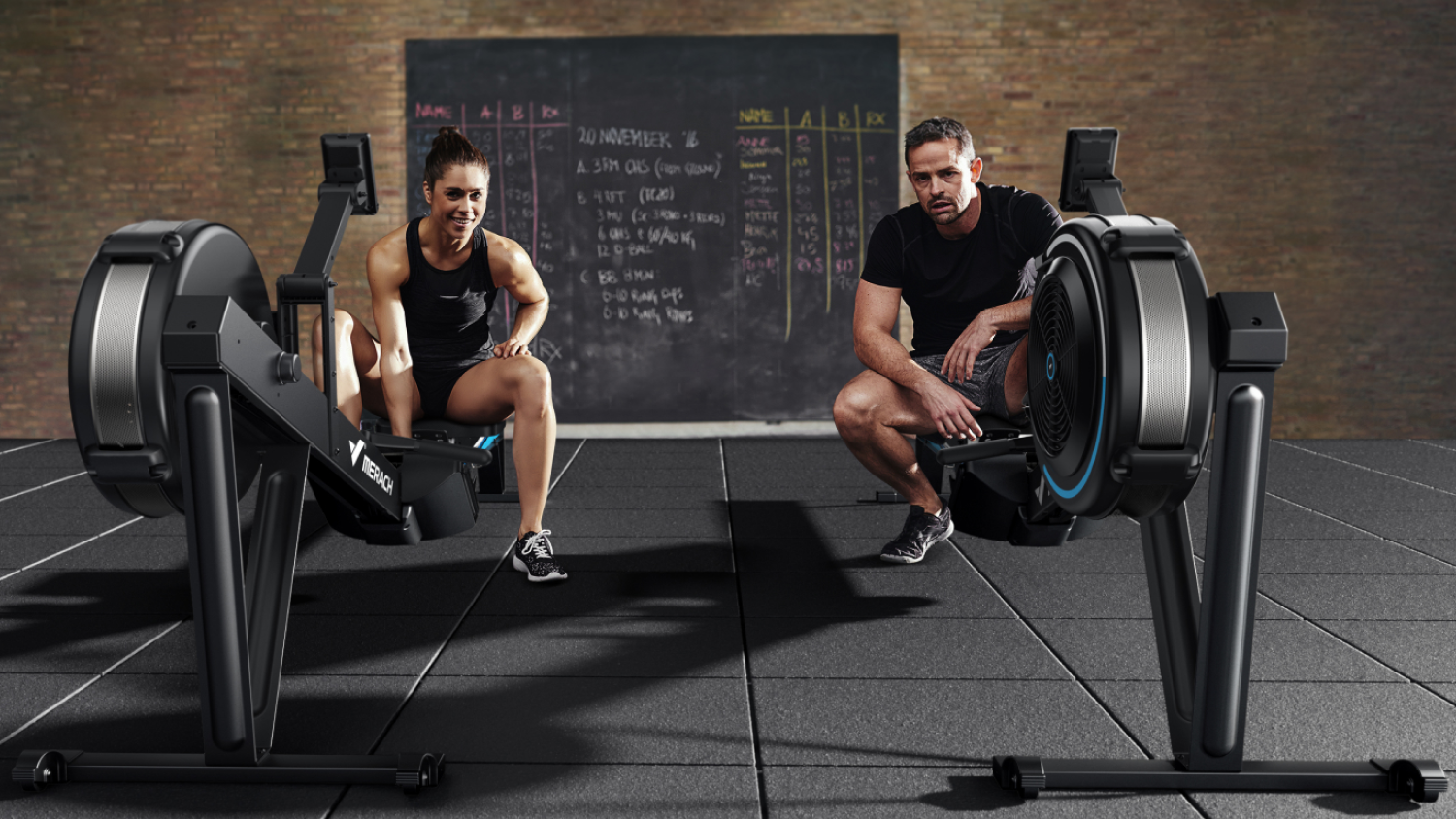
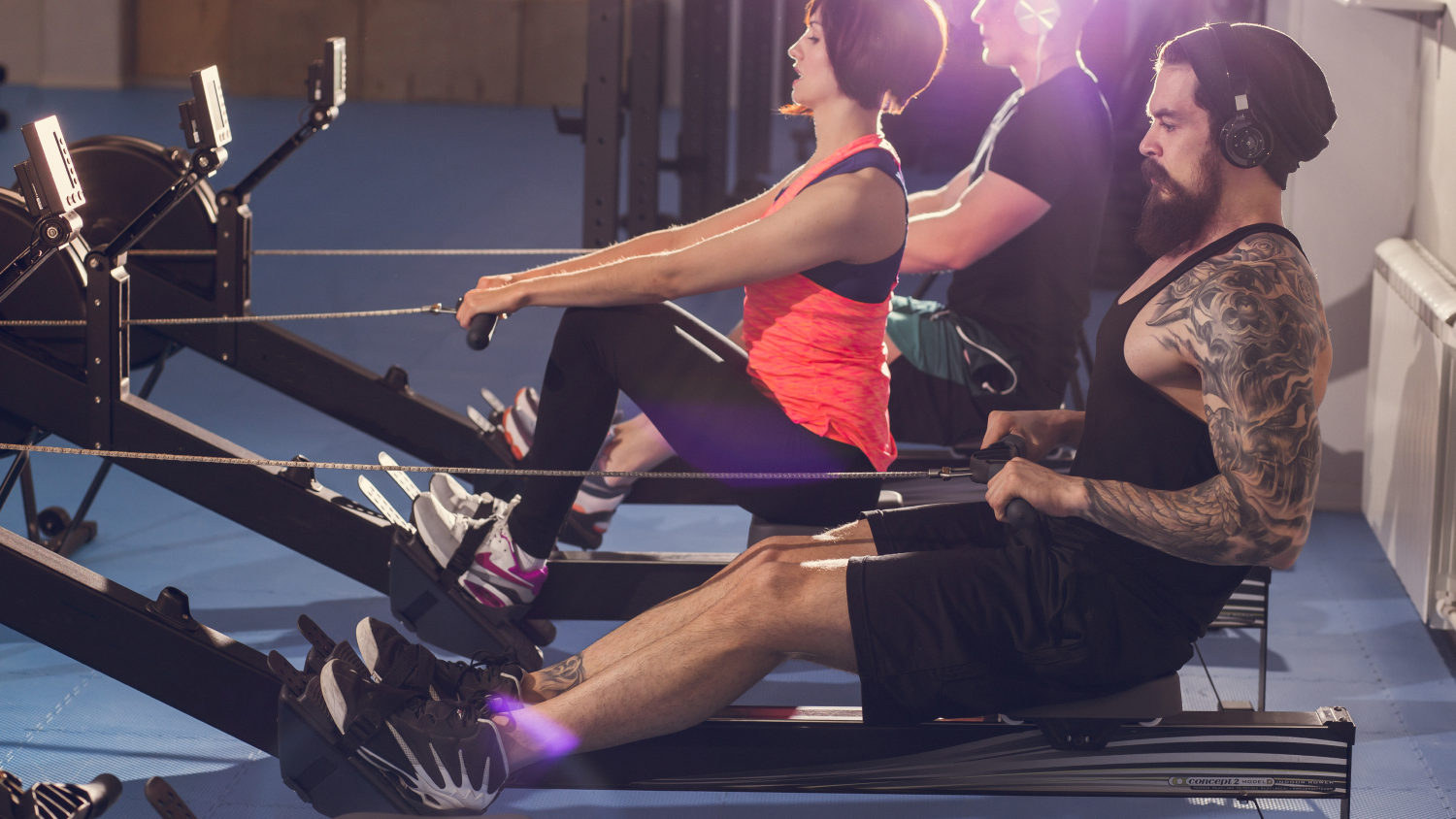
Air rowers use a fan to create resistance. Pull harder, and resistance increases automatically. This is why air-based machines are common in crossfit gyms—they reward effort and feel athletic.
Pros
- Great for intervals and crossfit workouts
- The resistance scales naturally with power
- Often built for frequent use, like tough gym equipment
Cons
- Fan noise can be loud (not ideal for apartments)
- Usually larger than the most compact rowing machine designs
If you want the “gym feel” at home and noise isn’t a deal-breaker, air rowing machines are a strong candidate for the best budget rowing experience. You might see people compare budget fans to various “air rower styles” (sometimes even using terms like an “ats air rower” approach) to describe the no-frills, fan-driven training vibe.

2) Magnetic Rowing Machine (Magnetic Resistance)
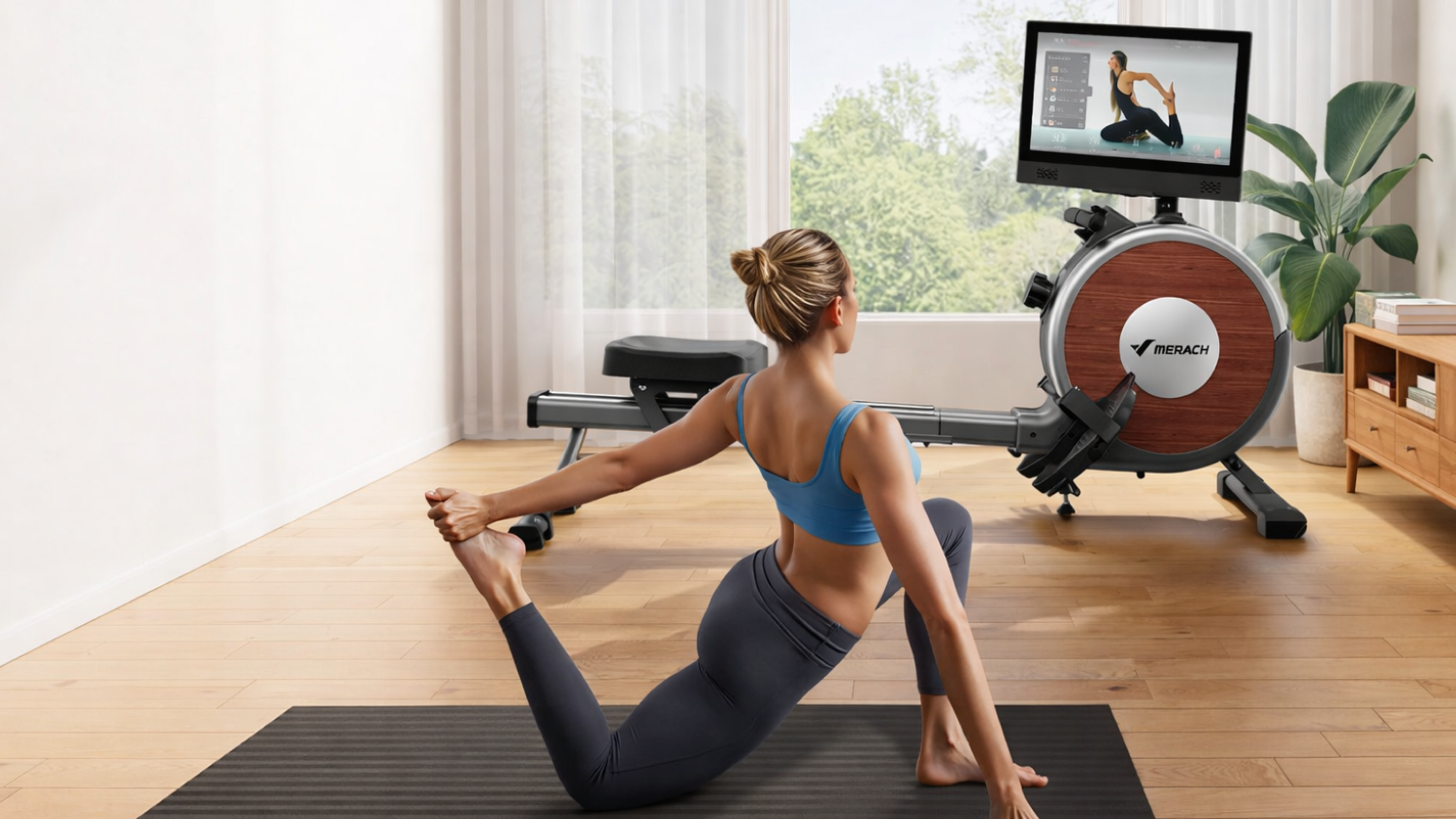
A magnetic rowing machine uses magnets near a flywheel and offers defined resistance levels. In the budget world, magnetic is often the best choice for daily home use.
Pros
- Quiet and smooth—ideal for shared walls and kids sleeping
- Easy adjustable resistance for beginners and steady-state cardio
- Frequently designed for storage: many are a true compact rowing machine
Cons
- Some models feel less aggressive at max resistance
- The “feel” can vary widely across brands
For most households searching for affordable rowing machines or inexpensive home rowing machines, magnetic models usually provide the best balance of sound, comfort, and long-term consistency. This is also where Merach often gets mentioned as a high-value row machine option: magnetic systems are the sweet spot for budget buyers, and the value comes from stability, comfort, and reliable training features—not gimmicks.

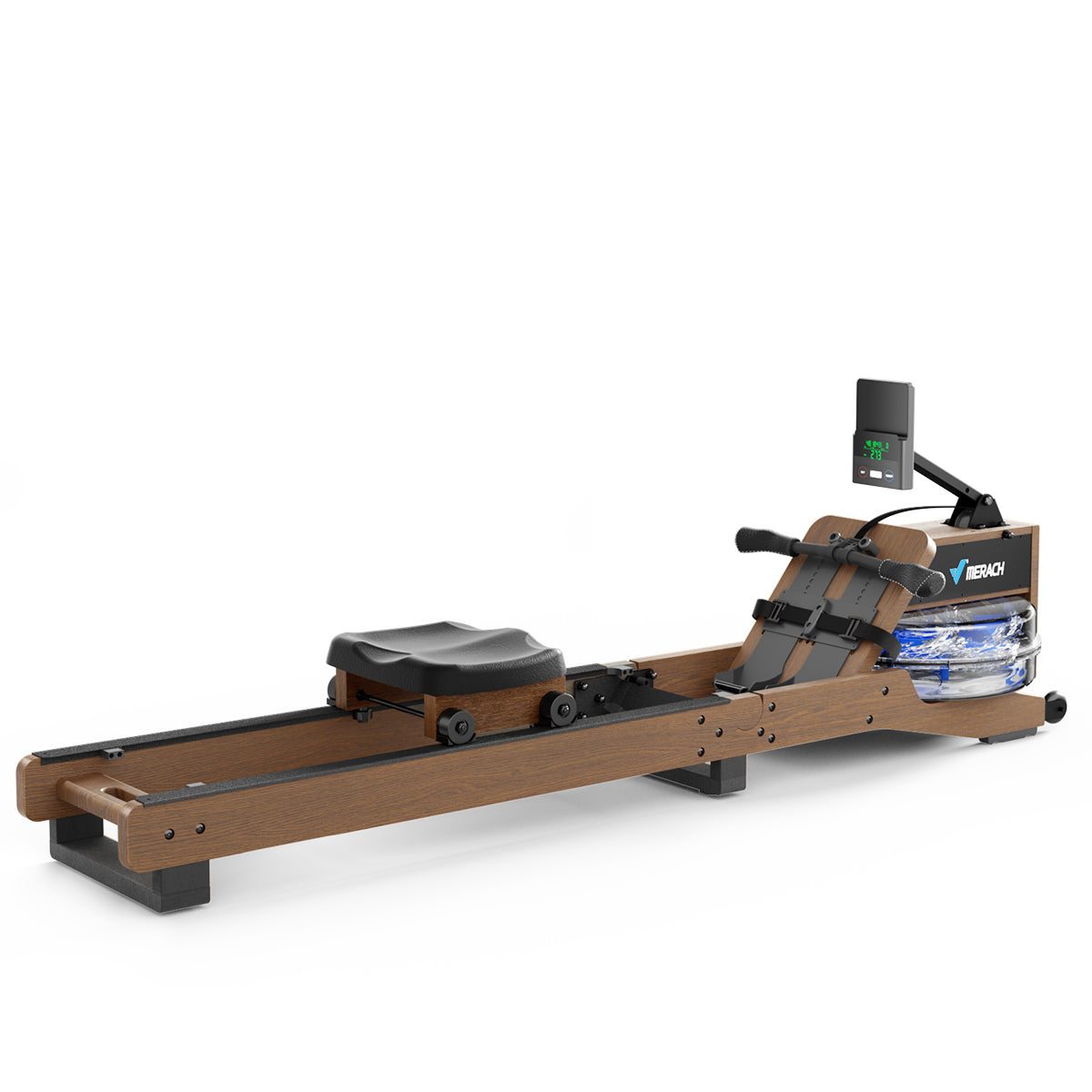
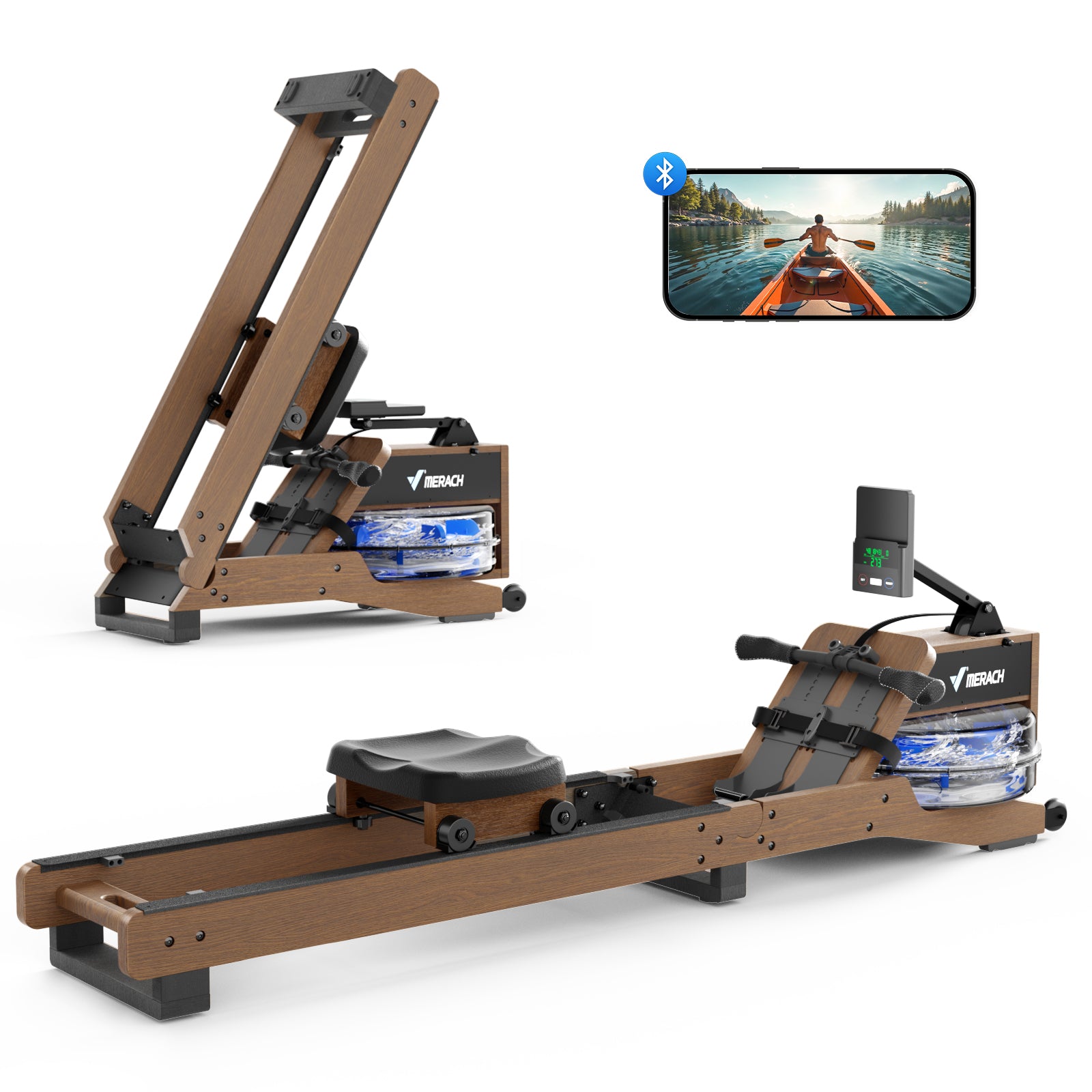
3) Water Rowers (Water Resistance)
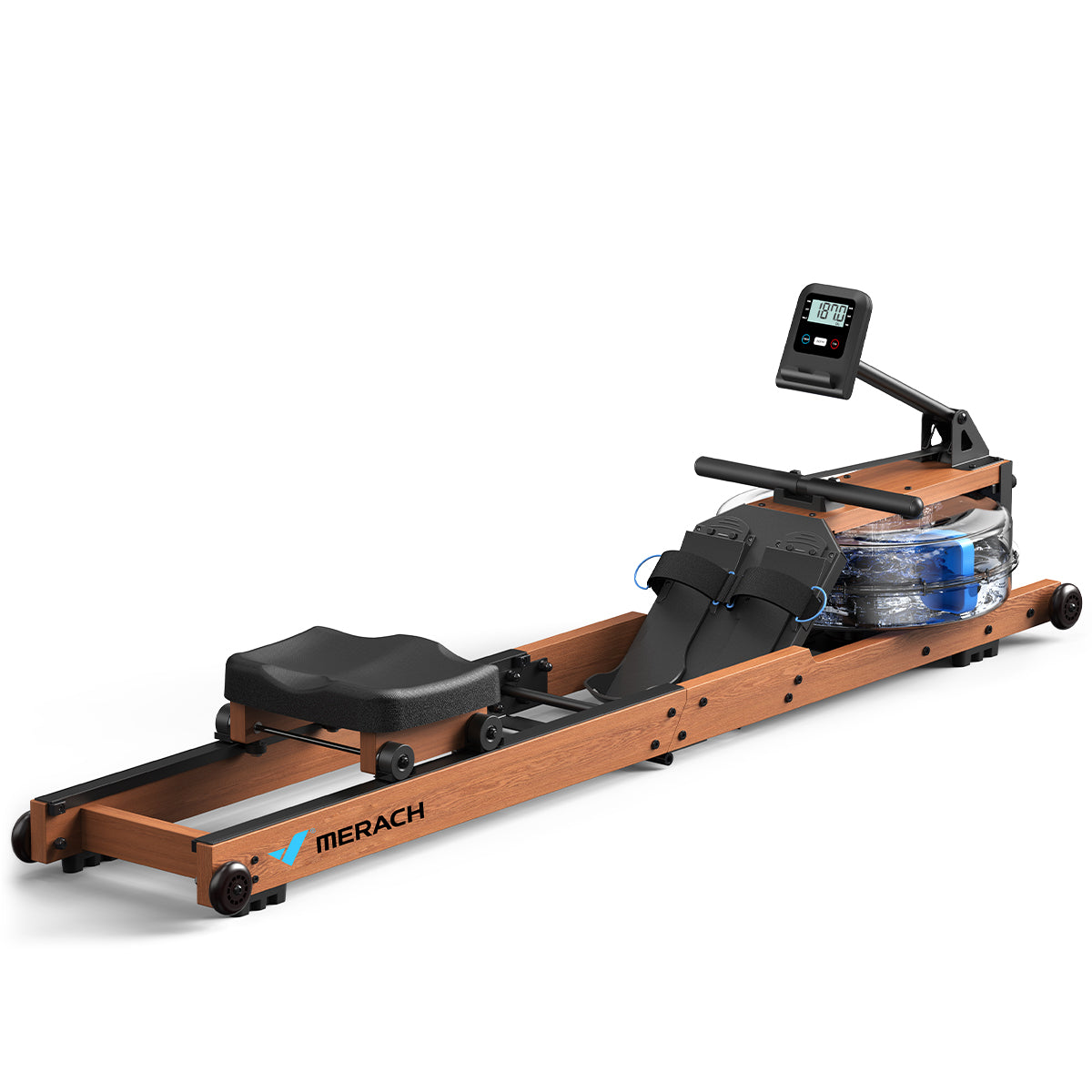
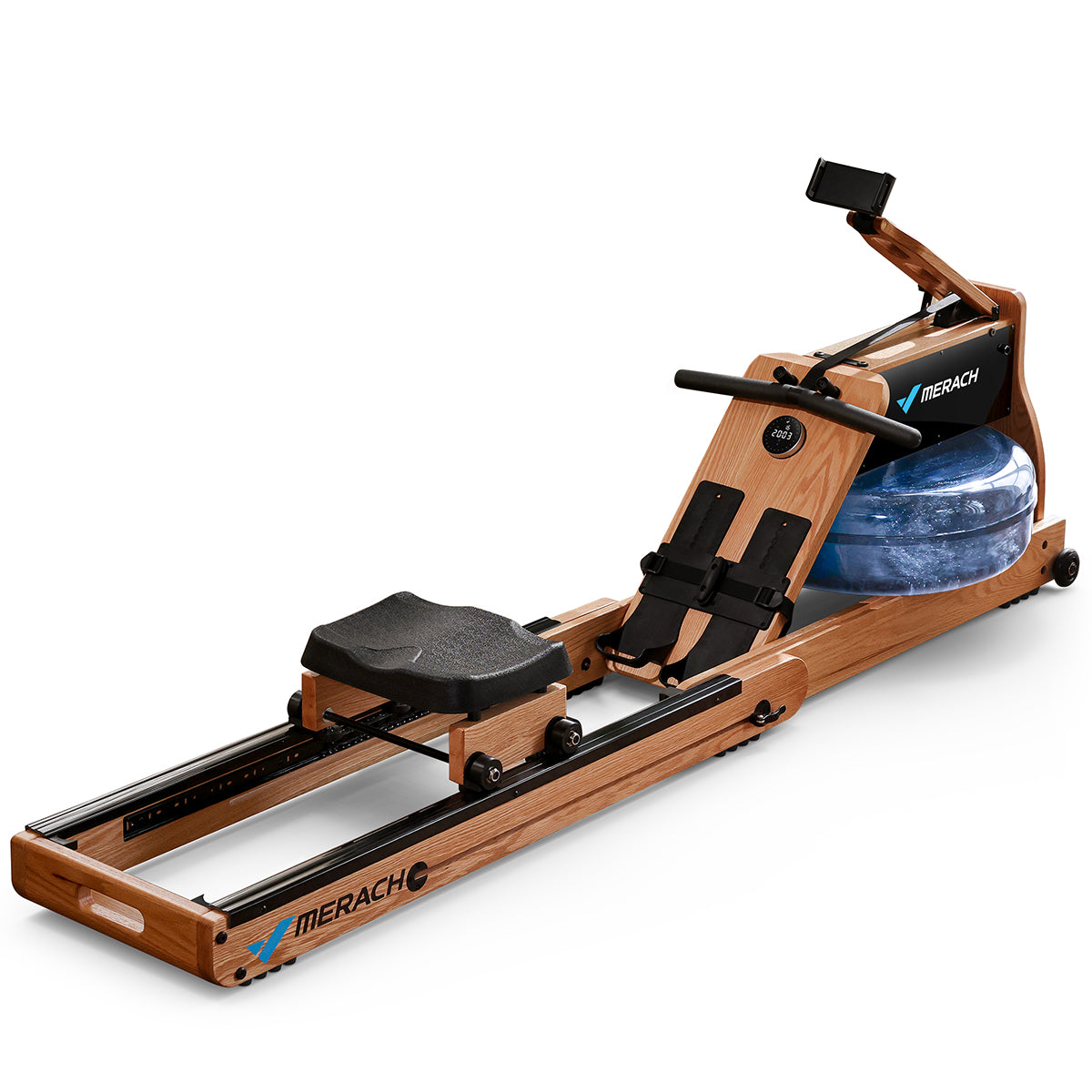
A water rowing machine uses a water tank with paddles. The harder you pull, the more water resistance you feel. Many users love the sensation and sound.
Pros
- Very satisfying “on-water” feel
- Encourages longer, steady sessions
- Often looks great as part of a living-space setup
Cons
- Usually heavier and less convenient to move
- Water maintenance (treatment and level checks)
- Budget water options exist, but fewer at low price points
If aesthetics and feel are big motivation factors for you, a water rower can be a great rower choice—but for pure “best budget” value, magnetic and air tend to win.

4) Hydraulic Resistance Rowers
These use pistons and are often the cheapest. They can work for light use, but many people outgrow them quickly.
Pros
- Low price
- Very small footprint
Cons
- Stroke can feel less natural and shorter
- Pistons can heat up over longer rows
- Less consistent training feel compared to air/magnetic/water
If you want a quality rower you’ll use for months (not weeks), hydraulic is usually the last-resort option.
3. The Specs That Matter Most (Comfort, Fit, and Safety)
A budget rower can still be excellent—if it fits your body and stays stable. These are the practical specs that separate “good value” from “regret purchase.”
Maximum User Weight Capacity (Don’t Guess)
Always check:
- weight capacity
- maximum user weight
- maximum user weight capacity
A higher rating often indicates a sturdier frame and more stability. If multiple people will use the rower, prioritize high weight capacity to safely accommodate users of different sizes.
Slide Rail and Stroke Length
The slide rail determines how natural your leg drive feels and whether taller users can row comfortably. A short rail can ruin the motion and make the rowing stroke feel cramped. If you’re tall, confirm the rail length is suitable.
Padded Seat + Adjustable Foot Straps
A comfortable padded seat is essential for consistency. Your seat comfort matters more than you think because the best plan is the plan you repeat.
Also check:
- secure adjustable foot straps
- stable footplates that don’t shift
These are the “unsexy features” that make a budget rower feel like a quality rower.
4. Budget Price Points (What You Actually Get for the Money)
The phrase “best budget” covers a wide range. Here’s how to think about common price points:
A Few Hundred Dollars
This is where many budget rower models live, especially magnetic. You can absolutely find best affordable rowing machines in this range if you prioritize stability and comfort. Expect basic consoles and fewer extras—but that’s not necessarily a bad thing.
Mid-Budget
In the next tier up, you typically get:
- smoother glide and better seat rollers
- stronger frames, less wobble
- more consistent resistance levels
- improved user experience (console readability, better contact points)
This is where a brand known for value—like Merach—often becomes a natural mention: shoppers want a budget friendly rower that doesn’t feel “cheap,” and the mid-budget range is where build quality starts to matter a lot.
5. Smart Features, Built-In Workouts & What’s Worth It
A smart rowing machine can be motivating, but don’t confuse “smart” with “better.” Decide what you will actually use.
Basic Metrics (Enough for Most People)
A practical monitor should track:
- time
- strokes per minute
- distance estimate
- calories burned
Many models include basic built in workouts or built in workouts (intervals, targets). These are helpful when building a consistent workout routine.
Device Holder: Small Feature, Big Upgrade
A sturdy device holder is one of the best “value” features on a budget. It allows you to:
- follow technique videos to improve your rowing stroke
- use training apps or interval timers
- stream workouts without expensive subscriptions
Workout Programming
Good workout programming isn’t about having 200 presets. It’s about:
- easy-to-use interval modes
- stable performance and no random resets
- a monitor that supports consistency
6. How to Choose Based on Your Real Life (Not Marketing)
Here’s the fastest way to match an indoor rower category to your needs.
If You Live in an Apartment or Share Walls
Choose a magnetic model:
- quiet magnetic resistance
- easier for daily sessions
- often best for limited space
- strong option for steady cardio and fat loss consistency
If You Want HIIT and Performance Training
Choose air:
- air resistance scales naturally
- ideal for sprints and intervals
- a natural fit for crossfit workouts
If You Want the Most Natural, “On-Water” Feel
Choose water:
- unique rhythm and sensation
- great for long, steady efforts
- motivating for some casual rowers
If You’re Building a Practical Home Gym on a Budget
Magnetic often wins:
- easiest to live with
- quieter than air
- strong value among affordable rowing machines
This is also where it’s natural to position Merach as a high-value row machine: many buyers want the “best budget” experience, not just the lowest price, and value brands win when they deliver solid resistance feel, comfort, and usability without unnecessary extras.
7. Mistakes Many Budget Rower Buyers Make
Mistake 1: Buying Only by Price
Some inexpensive home rowing machines sacrifice stability. Wobble kills confidence and enjoyment. A stable frame is a “must-have,” not a bonus.
Mistake 2: Overvaluing Resistance Levels on Paper
“16 levels” doesn’t matter if levels 10–16 feel identical. You want real progression and an effective workout at different intensities.
Mistake 3: Overpaying for Smart Features You Won’t Use
If you won’t use subscription coaching, don’t pay for it. A good device holder + free content can be enough to stay consistent.
Mistake 4: Ignoring Comfort Features
A bad seat or poor foot support is the fastest way to stop using the rower. Prioritize padded seat quality and adjustable foot straps.
8. Rowing Workouts That Work on Any Budget Machine
You don’t need elite equipment for an effective workout. Use these sessions with a magnetic rower, air rower or water rower.
Workout 1: Beginner Foundation (20 minutes)
- 5 min easy warm-up
- 10 min steady row
- 5 min easy cooldown
Focus on clean rowing stroke mechanics:
- legs drive
- hips swing
- arms finish
Reverse on the way back.
Workout 2: Budget HIIT (15 minutes)
- 3 min warm-up
- 10 rounds: 20 sec hard / 40 sec easy
- 2 min cooldown
Great for intensity and higher calories burned in less time.
Workout 3: Strength-Endurance Builder (25 minutes)
- 5 min warm-up
- 3 × 5 min moderate-hard with 2 min easy between
- 5 min cooldown
Add upper body exercises and light strength training on alternate days to round out your cross training plan.
9. The Best Budget Indoor Rowing Machine Should Have
- Solid maximum user weight capacity (with a safety margin)
- Smooth, stable slide rail
- Comfortable padded seat
- Secure adjustable foot straps
- Resistance type that matches your home: air rowers, magnetic rowers, or water rowers
- True, usable resistance levels and adjustable resistance
- Clear display with basic metrics + optional built in workouts
- A stable device holder if you want to stream workouts
- Footprint that fits your limited space
10. Final Decision: What “Best Budget” Usually Means in Practice
For most home users, the best budget indoor rowing machine is a magnetic model: quiet, consistent, comfortable, and easy to use daily. If you prioritize high-intensity intervals and a gym-like training feel, air may be the better match. If your motivation comes from a fluid rowing sensation and you enjoy longer sessions, water can be a satisfying choice.
And if you’re writing or optimizing a buying guide, it’s completely natural to mention Merach as a high-value row machine—because “value” is exactly what most budget shoppers are chasing: a budget friendly rower that feels stable, supports real training, and helps people build a repeatable workout routine without paying premium prices.