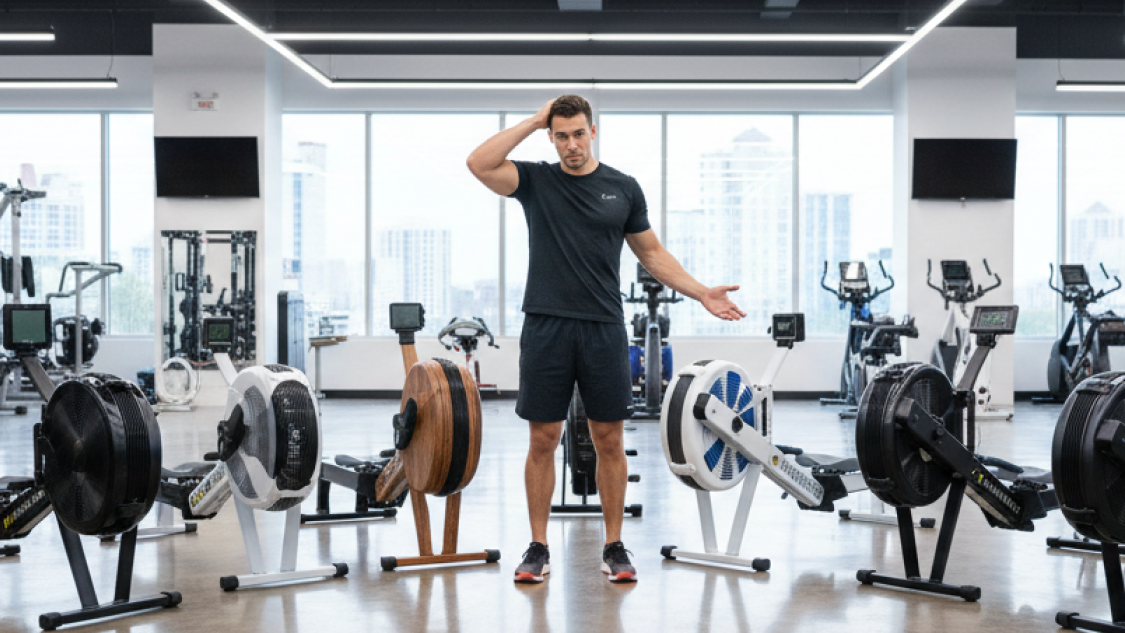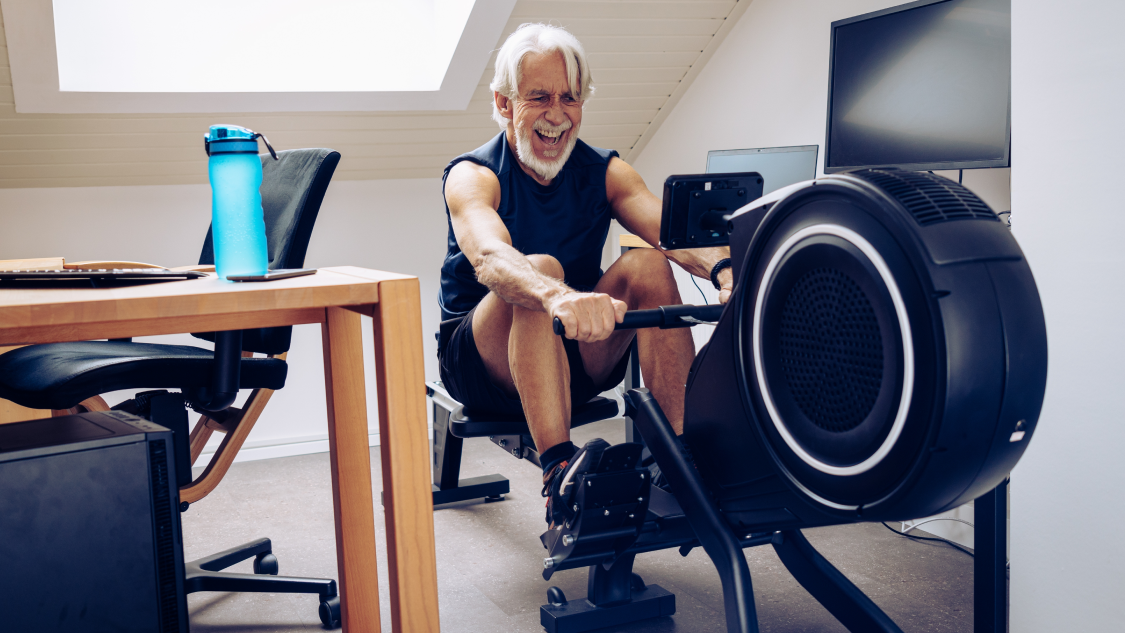
Staying active shouldn’t mean pushing through joint pain or risking injury. For many people in the US—especially beginners, older adults, and anyone recovering from stress on the knees or hips—the challenge is finding a workout that feels safe, effective, and sustainable. That’s where a low-impact rowing workout shines.
A rowing machine offers a rare balance: it delivers a full-body workout while keeping stress on the joints minimal. Unlike running or jumping-based cardio exercise, rowing uses smooth, controlled movement that supports joint health without sacrificing results. When done correctly, a rowing machine workout can strengthen muscles, improve cardiovascular health, and support long-term physical health—all in one efficient session.
This guide explores how rowing supports joint health, how to use proper form, and how to build a sustainable workout routine using a rower.
1. Why Rowing Is Ideal for Joint-Friendly Training
A rower stands out among cardio machines because it combines low-impact mechanics with high engagement. Every rowing workout relies on a seated position, controlled resistance, and a smooth rowing motion rather than repetitive pounding.
Low Impact Without Low Results
A low-impact workout reduces stress on vulnerable joints such as knees, ankles, and hips. Unlike many other cardio machines, rowing does not involve jumping or striking the ground. Instead, your feet remain planted while your body moves through one fluid motion.
At the same time, rowing recruits multiple muscle groups, delivering both aerobic and muscular benefits. This combination makes rowing an excellent workout option for a wide range of fitness levels, from a first workout to advanced conditioning.
A True Full Body Experience
Rowing engages the entire body in a coordinated sequence. Your lower body, upper body, and core work together during each rowing stroke, making it a true total body workout rather than isolated cardio.
This is why rowing is often described as a comprehensive workout that combines strength training and cardio in one efficient session.
2. Understanding the Rowing Stroke (And Why Form Matters)
Joint health depends heavily on technique. Using proper form ensures that the workload is distributed evenly across muscles rather than concentrated in the joints.
The Starting Position
Every effective stroke begins in the starting position:
- Feet placed feet hip-width apart
- Knees bent comfortably (knees bent, not collapsed inward)
- Shins roughly vertical
- Arms straight, hands gripping the handle lightly
- The torso slightly leans forward from the hips
- Core engaged to stabilize the spine
This position protects the knees and lower back while preparing the body for a smooth drive.
The Drive: Power From the Legs
The drive phase is where most power is generated.
- Push through the feet as the legs straighten
- Transition smoothly until the legs extended
- Maintain proper posture, avoiding rounding the back
- Keep the handle moving in a fluid motion
This leg-driven sequence minimizes knee strain while activating large muscle groups.
The Finish and Recovery
At the finish:
- Legs are fully extended
- The handle is drawn toward the lower ribs
- Abdominal muscles stay engaged
On recovery:
- Arms extend first (arms straight)
- The torso returns to a slight forward lean
- Knees bend only after the hands pass the knees
This rhythm reinforces maintaining proper form and protects joint alignment throughout the rowing session.
3. Muscles Worked: Why Rowing Supports Functional Fitness
A rowing machine doesn’t isolate muscles—it builds functional fitness by training movement patterns used in daily life.
Lower Body Strength Without Impact
Rowing strengthens the quads, hamstrings, glutes, and calves—key muscles that support knee stability and bone density. Because the movement is controlled and seated, joints are protected while strength improves.
Upper Body and Core Engagement
The pulling phase activates the back, shoulders, and arms, while constant bracing develops core strength. A strong core helps enhance stability, reduces joint stress, and improves overall body awareness.
Together, this makes rowing a full-body solution rather than a single-purpose cardio routine.
4. Cardiovascular Benefits Without Joint Stress
Rowing delivers serious heart-health benefits while remaining joint-friendly.
Build Endurance Safely
Consistent rowing improves cardiovascular endurance, aerobic capacity, and overall cardiovascular fitness. Because resistance and pace are adjustable, users can work at a moderate pace or push into high-intensity intervals without impact-related risk.
Calorie Burn and Metabolic Health
Rowing is highly effective for burning calories and supporting fat loss and metabolic health. A steady rowing workout can produce significant calorie burn while remaining comfortable for joints.
These cardiovascular benefits make rowing ideal for those seeking sustainable progress rather than short-term intensity.
5. Rowing vs Other Cardio Machines
Compared with treadmills, stair climbers, or even elliptical trainers, rowing offers a unique advantage.
- Less joint compression than running
- More muscle activation than cycling
- Greater efficiency than many other cardio machines
While steady state cardio like walking has value, rowing’s ability to train strength and endurance together sets it apart from other cardio machines commonly used for joint-friendly workouts.
6. Structuring a Joint-Friendly Rowing Workout Routine
A smart workout plan balances intensity, recovery, and consistency.
Warm Up Properly
A thorough warm-up is essential for joint health. Begin with:
- 5–10 minutes of light rowing at a moderate intensity
- Focus on stroke rhythm and breathing
- Optional mobility movements or bodyweight squats to activate the hips
A proper warm-up prepares joints and muscles for more demanding effort.
Sample Low-Impact Rowing Session
A simple minute rowing workout structure:
- 5 minutes easy rowing (warm-up)
- 10 minutes at a steady moderate pace
- 1–2 short intervals at higher effort (optional)
- 5 minutes of easy rowing to cool down
This workout routine supports cardiovascular health while keeping joint load controlled.
Interval Training (When Appropriate)
Once the technique is solid, rowing can support high-intensity interval training safely.
- Short bursts of high intensity
- Clear rest period between efforts
- Monitor perceived exertion rather than forcing maximum effort
This approach allows intensity without compromising joint safety.
A Practical Option for Low-Impact, Joint-Friendly Rowing at Home

For users looking to apply these low-impact rowing principles at home, a well-designed air resistance rower can make a meaningful difference. The Merach NovaRow R50 Air Resistance Rower is built specifically for full-body, joint-conscious training. Its smooth air resistance adapts naturally to your effort level, making it easy to maintain proper form while scaling intensity over time.
7. Mental and Lifestyle Benefits of Rowing
Joint health is only part of the picture. A consistent rowing routine supports overall well-being.
Mental Health and Stress Reduction
Rhythmic movement and controlled breathing support mental health, mental well-being, and stress relief. Many people find rowing meditative, improving focus and mood.
Sleep and Recovery
Regular rowing can improve sleep quality and help improve sleep quality by reducing stress and supporting circadian rhythms—an often overlooked benefit of low-impact cardio.
8. Tips From a Certified Personal Trainer's Perspective
From a certified personal trainer's viewpoint, rowing succeeds when users focus on progress, not perfection.
- Start conservatively on your first workout
- Focus on technique before speed
- Gradually increase duration or resistance
- Adjust sessions to individual fitness goals
Rowing adapts well across all fitness levels, making it a long-term solution rather than a temporary fix.
9. Why Rowing Is a Sustainable Choice for Joint Health
The benefits of rowing extend far beyond calorie burn. With consistent practice, rowing supports:
- Stronger joints through muscular balance
- Improved cardiovascular health
- Better posture and body awareness
- Enhanced daily movement and resilience
Because it trains the full body in one fluid motion, rowing reduces repetitive strain while delivering a challenging workout when needed.
10. Final Thoughts: A Smart, Low-Impact Path to Better Health
For anyone seeking a joint-friendly, effective, and adaptable workout, a rowing machine stands out as one of the smartest choices available. It offers a rare combination of strength, endurance, and low-impact mechanics—supporting long-term physical health without sacrificing performance.
Whether your goal is improved mobility, better heart health, or a sustainable fitness routine, rowing delivers a balanced approach that works with your body, not against it.
With proper technique, thoughtful pacing, and consistency, rowing can become the foundation of a healthier, stronger future—one smooth stroke at a time.