





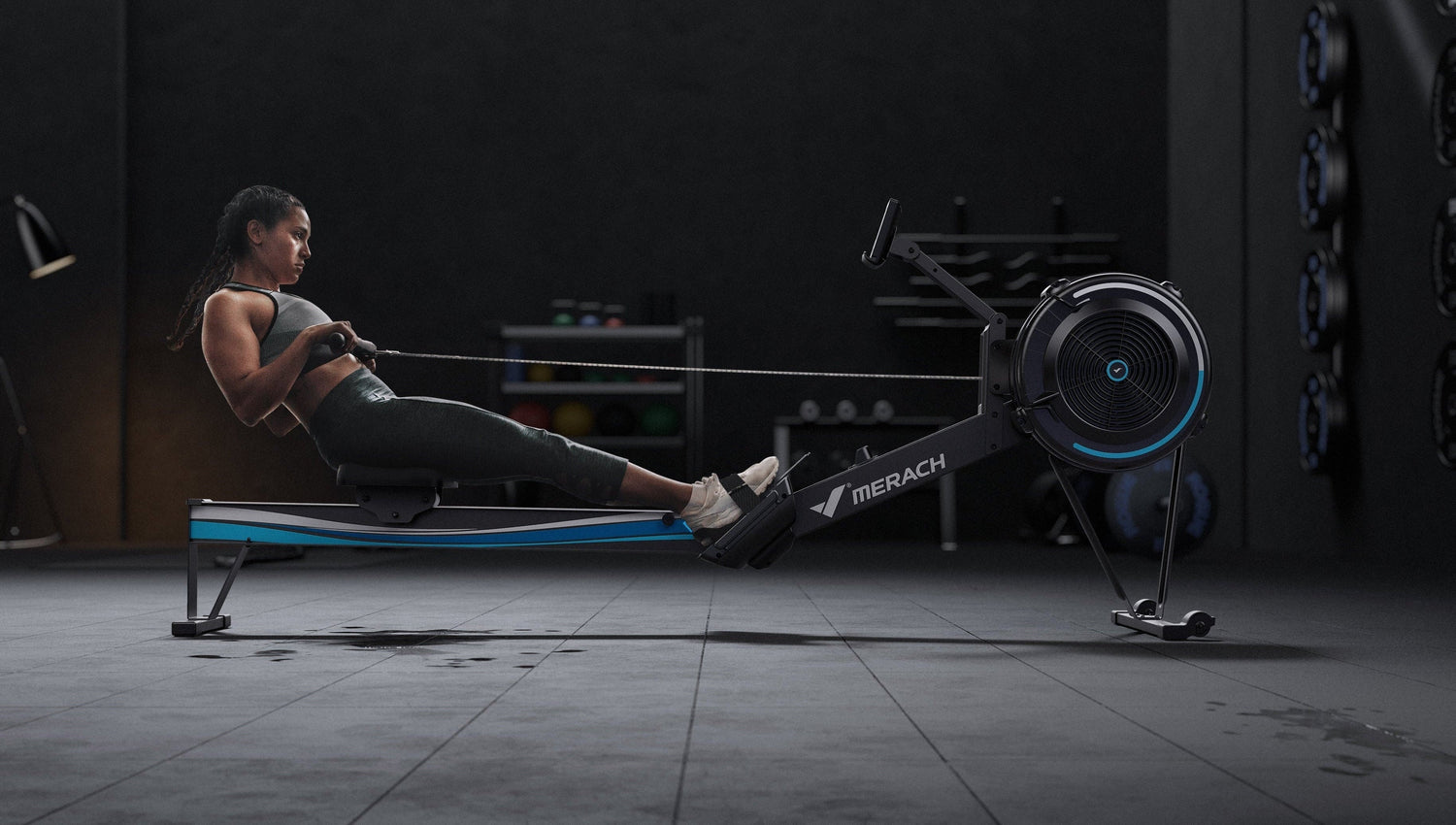
Learning how to use an indoor rowing machine correctly can make a huge difference in how effective—and enjoyable—your workouts feel. Rowing looks simple at first glance, but proper form and technique are what turn it into a powerful full-body workout rather than an exhausting arm pull. For beginners, understanding the basics early helps prevent bad habits, improves results, and reduces the risk of discomfort or injury.
This guide walks you through correct rowing machine form, explains the full rowing stroke step by step, and highlights common beginner mistakes to avoid.
Why Proper Rowing Form Matters
Good technique isn’t just about looking smooth on the machine. It directly affects performance, safety, and long-term progress.
Efficiency and injury prevention
Rowing is meant to distribute effort across your entire body. When form breaks down, certain muscles—often the arms or lower back—end up doing too much work. This can lead to:
- Faster fatigue
- Lower calorie burn
- Unnecessary strain on joints and connective tissue
Proper indoor rowing technique allows power to flow from the legs through the core and into the upper body. This sequence keeps movements controlled and reduces stress on vulnerable areas like the lower back and shoulders.
Muscle engagement benefits
With correct form, rowing activates a large percentage of your muscles on every stroke. The legs generate power, the core stabilizes the body, and the upper body finishes the movement. Poor technique breaks this chain, turning a full-body exercise into a partial one. Mastering form ensures you get the most value from every minute on the machine.
The Four Phases of the Rowing Stroke
Rowing is built around a continuous, cyclical motion. Understanding each phase helps you move with control and rhythm rather than rushing through strokes.
Catch
The catch is the starting position of the stroke.
- Knees bent, shins nearly vertical
- Arms fully extended
- Shoulders relaxed, torso leaning slightly forward from the hips
- Core engaged, back flat
At the catch, your body is loaded and ready to generate power. Avoid hunching forward or collapsing the chest—stability here sets the tone for the entire stroke.
Drive
The drive is where power is produced.
- Push through your heels to extend the legs
- Keep arms straight initially
- Allow the torso to open slightly as the legs straighten
Think of this phase as a leg press first, not an arm pull. The stronger your leg drive, the smoother and more efficient your rowing becomes.
Finish
The finish completes the power phase.
- Legs fully extended
- Handle pulled toward the lower ribs or upper abdomen
- Elbows moving back, not flaring outward
- Upright posture with core engaged
This is where the upper body contributes, but it should feel controlled rather than aggressive.
Recovery
The recovery resets your body for the next stroke.
- Extend arms first
- Hinge forward slightly at the hips
- Bend knees last to slide forward
Many beginners rush this phase, but a slow, relaxed recovery improves rhythm and endurance. A good rule of thumb is to make the recovery longer than the drive.
Common Indoor Rowing Mistakes Beginners Make
Even with good intentions, beginners often fall into a few predictable habits. Fixing these early can dramatically improve comfort and results.
Pulling too early with arms
One of the most common rowing mistakes beginners make is bending the arms before the legs have finished pushing. This reduces power and overloads the arms and shoulders. Focus on keeping the arms straight until your legs are nearly extended.
Rounding the back
A rounded back compromises stability and increases strain on the spine. This often happens when flexibility is limited or when fatigue sets in. Maintain a neutral spine, engage the core, and hinge at the hips rather than slumping forward.
Overusing resistance
High resistance doesn’t automatically mean a better workout. Too much resistance can encourage poor form and increase fatigue. Beginners should start with moderate resistance and focus on smooth, consistent strokes before increasing intensity.
Beginner Tips for Better Rowing Sessions
Small adjustments can make your rowing sessions more effective and enjoyable.
Stroke rate guidance
Many beginners assume faster is better, but rowing is about controlled power. A general guideline:
- Beginners: 18–22 strokes per minute
- Focus on rhythm rather than speed
- Prioritize technique over intensity
Slowing down often improves form and endurance while still delivering an effective workout.
Warm-up and cooldown basics
Warming up prepares your joints and muscles for movement, while cooling down helps with recovery.
Warm-up ideas:
- 3–5 minutes of easy rowing
- Focus on long, relaxed strokes
Cooldown ideas:
- Light rowing at a slower pace
- Gentle stretching for hips, hamstrings, and shoulders
These simple habits reduce stiffness and support long-term consistency.
Building Confidence with the Right Machine
Technique is easier to maintain when the equipment supports good movement.
Stability, comfort, and adjustability
For beginners especially, the right home rowing machine can make learning proper form much easier and less frustrating. Look for features such as:
- A stable frame that doesn’t wobble
- A smooth seat glide for controlled leg drive
- Adjustable footrests to support proper leg alignment
- Comfortable handle grip to reduce hand fatigue
When the machine feels secure and comfortable, it’s easier to focus on technique rather than fighting the equipment.
Tip: If you’re still exploring options, comparing models in a dedicated indoor rowing machine collection can help you find setups that support beginner-friendly form and long-term use.
Final Thoughts
Learning proper rowing machine form takes a bit of attention, but the payoff is significant. With correct indoor rowing technique, you’ll move more efficiently, engage more muscles, and reduce the risk of discomfort as you build consistency.
Start slow, focus on the four phases of the stroke, and don’t rush progress. As your confidence grows, rowing becomes a smooth, rhythmic workout that delivers full-body benefits—making the indoor rowing machine one of the most rewarding home gym fitness equipment for beginners.


