Has your treadmill started making more noise than usual, or not feel as smooth as it used to? Many people assume something is wrong with the machine and think it needs to be replaced or will require costly repairs. But in reality, it might just need lubrication. Left unchecked, friction can wear down the belt and motor, turning a simple maintenance task into a costly repair bill or even a safety hazard.
But here’s the good part: fixing this is probably easier and cheaper than you think. In this guide, we’ll cover how to lubricate your treadmill and share 10 practical treadmill maintenance tips to help you reduce repair costs and extend the life of your treadmill.
1. Why Treadmill Maintenance Is Important?
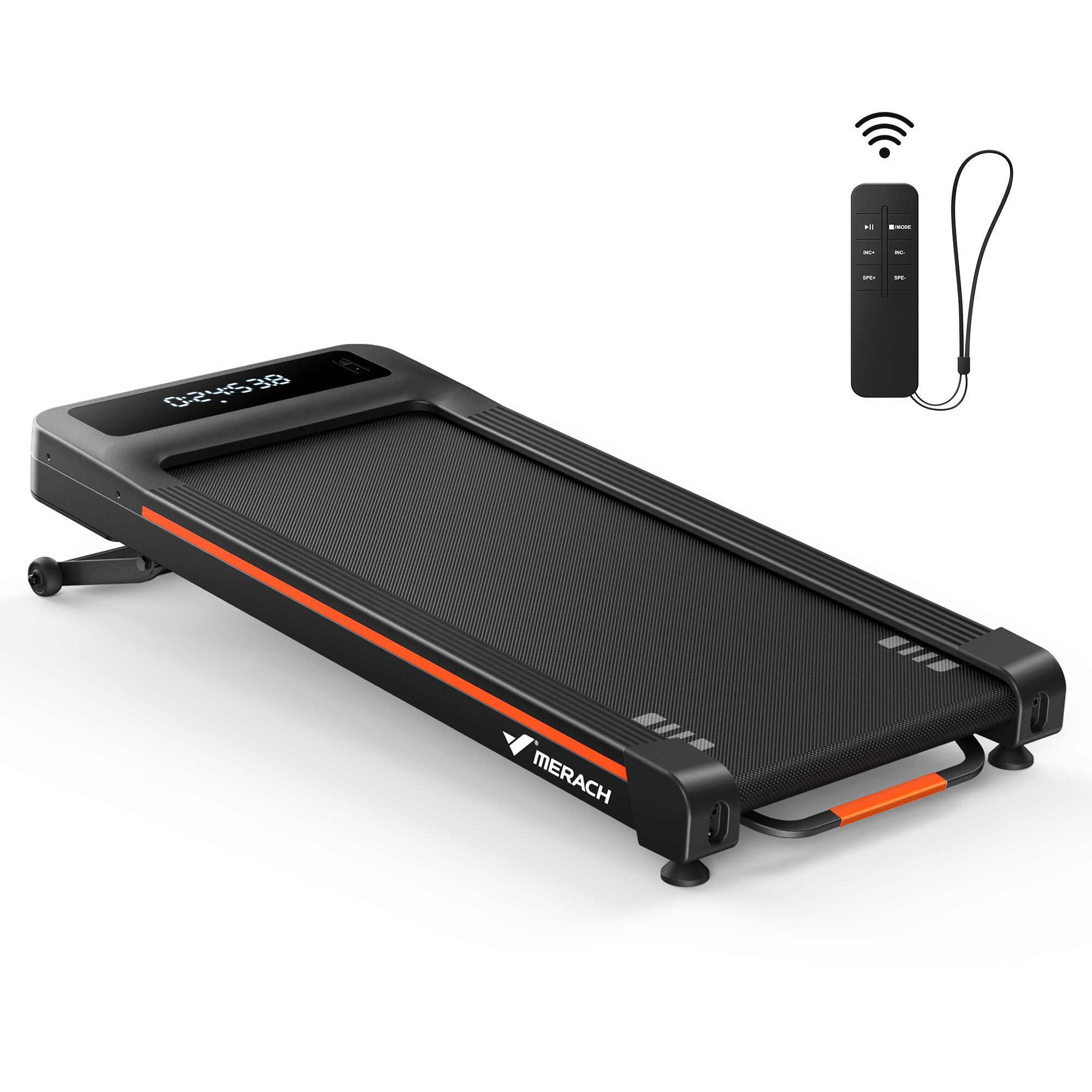
Just as a car needs an oil change, whether you’re using a folding treadmill or a compact walking pad for light daily steps, they gradually wear down over time. Without proper care, friction builds up between these parts, which can lead to increased noise, uneven movement, and extra strain on the motor. What starts as a slightly dry belt can quickly turn into bigger problems like the machine overheating or even sudden speed inconsistencies. A lack of regular treadmill maintenance may result in:
- Worse workout experience: That once-silent belt may start to drag, squeak, or even develop a jerky motion, making your workout less enjoyable and less effective.
- Shortened lifespan: A well-cared-for treadmill can last a decade or more. One that’s neglected might struggle in half that time.
- Safety risk: A poorly maintained machine can become a safety risk. A slipping belt or an overheated motor is a hazard.
Any motorized machine with a moving belt needs a little care to keep it at its best. It’s not a chore—it’s insurance. It’s the few minutes you spend every few months to guarantee that your machine is always ready when you are and keep it running smoothly year after year.
2. Common Problems & 10 Treadmill Maintenance Tips
Most treadmill issues don’t happen overnight. They usually start small, with slightly more noise, a less smooth stride, or a belt that feels just a bit off. Many of them are preventable with simple, routine care. Here’s a breakdown of 10 common treadmill issues and maintenance tips to address them.
1) A Noisy, Sluggish, or Dry Belt → Lubricating Your Treadmill
This is the most common complaint. The walking belt and deck create friction during use. Over time, the belt and deck dry out, forcing the motor to work harder and increasing wear on internal components. Proper lubrication reduces this friction by up to 80%, significantly extending the life of your motor, belt, and electronics. If your treadmill starts sounding louder or feels less smooth, it’s time to lubricate it.
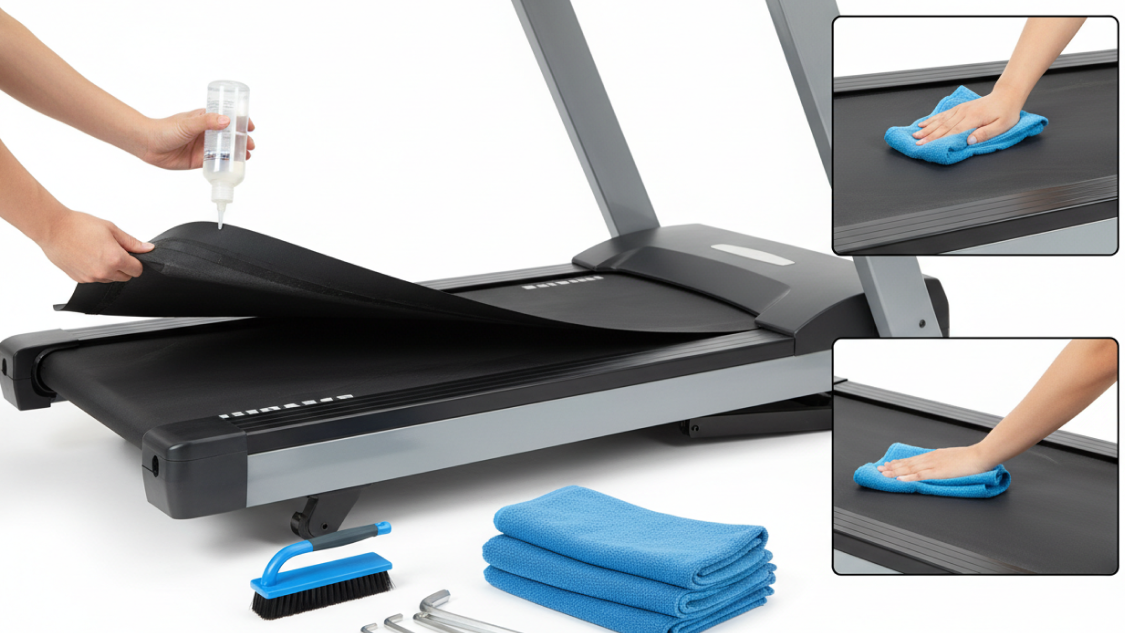
What You'll Need: A bottle of 100% silicone-based treadmill lubricant (never use WD-40 or household oils), the included applicator tube, an allen wrench or a hex key, and a clean, lint-free cloth
How to Fix It
Step 1: Unplug the machine. Always disconnect the power before any maintenance. Make sure the deck is in a flat position so you can easily access the belt and other components.
Step 2: Check if the deck is dry. Slide your hand under the belt and feel the deck surface. If you can feel it is slightly slippery or oily, your deck is not ready to be lubricated. If it's dry, that means it's time.
Step 3: Loosen the belt using the Allen wrench. Loosen the rear roller bolts evenly at the end of the treadmill. Then give counterclockwise turns on each side, usually around 10–15. Remember the number of turns. So when you tighten the belt back up, you can get it just as perfectly centered.
Step 4: Use the correct lubricant. Most treadmills require 100% silicone oil (never use WD-40, household oils, or automotive products). However, some treadmills say that you need the manufacturer-specific lubricant. So, just double-check that in the manual.
Step 5: Attach the applicator to the bottle of lubricant. If the lubricant does not flow properly, make sure the applicator is opened correctly and the seal under the cap has been removed.
Step 6: Lift the belt slightly and apply lubricant in a zigzag pattern along the length of the deck. Repeat on the other side for even coverage. Repeat the same process on the other side. If you're using a walking pad, you can also place it on its side. This allows the lubricant to flow evenly across the full width of the deck.
Tips: Make sure the lubricant stays underneath the belt. If any gets onto the walking surface, wipe it away with a clean cloth.
Step 7: Tighten the belt back up and see that everything is running smoothly. Turn clockwise the same number of turns. When the bolts are tightened back up, run the treadmill at 3 mph for a few minutes to spread the lubricant. Check that the belt moves smoothly and remains centered.
Step 8: Wipe down and inspect. Unplug the machine again. Use a clean cloth to wipe down the belt, handrails, and console. Walk on the belt to check centering and smoothness. If the belt moves from side to side, unplug the machine and make small adjustments to the rear roller bolts until it is properly aligned.
Arguably, the single most important maintenance task for any treadmill owner is proper belt lubrication. Do this every 3-6 months or every 150-200 hours of use. Many manufacturers now include lubricant indicators or reminders in their console systems. If yours doesn't, set calendar reminders to ensure you don't forget this crucial maintenance task.
2) Belt Slipping, Uneven, or Misaligned → Adjust Tension & Alignment
If your belt slips, drifts to one side, or feels unstable, it’s usually due to improper tension or alignment. A belt that's too tight creates excessive strain on the motor and rollers, while one that's too loose can slip during use, creating a safety hazard and causing erratic speed. Misalignment causes uneven wear and can result in the belt fraying against the frame.
What You'll Need: Allen wrench and user manual.
How to Fix It
Step 1: Tension Test. Unplug the machine. Lift the belt at the center. It should raise about 2-3 inches. If it lifts higher, the belt is too loose. If it barely lifts, the belt is too tight
Step 2: Adjust the tension bolts at the rear with a wrench, turning them in quarter-turn increments (check your manual for location).
Step 3: Alignment Check. Mark the center of the rear roller with tape. Run the treadmill empty at 3 mph. If the belt drifts left, tighten the left rear bolt a quarter-turn. If it drifts right, tighten the right one.
Step 4: Re-check and repeat until it runs centered. Perfect alignment has the belt centered on both rollers.
Check tension and alignment monthly. After each adjustment, plug in and run at low speed for observation, then unplug again before making further adjustments.
3) Dust Buildup & Overheating → Clean Consistently
Dust, sweat, and debris build up faster than you expect. Over time, this can clog the motor area, increase friction, and even cause overheating. Sweat and grime on the belt and deck also increase friction and can lead to corrosion. Wipe down the machine after each use, vacuum around and under it weekly, and do a deeper clean monthly, especially around air vents and the motor area.
What You'll Need: Microfiber cloth, mild cleaning solution, and a small vacuum or brush
How to Fix It
After each use: Wipe down the console, handrails, and belt with a dry or slightly damp cloth. Remove any visible debris from the belt edges and motor housing.
Weekly: Wipe the entire machine with a damp cloth and mild soap solution. Clean the belt surface with a slightly damp cloth. Vacuum around the base, especially the rear motor area and air intakes. Check for and remove debris caught between the belt and deck
Monthly: Remove the motor cover if possible, and gently vacuum out accumulated dust. Inspect internal components for wear or damage.
Regular cleaning prevents debris buildup. Keep cleaning supplies near your treadmill to encourage regular maintenance. This one task can prevent countless repair calls.

4) Sudden Shutdowns or Power Issues → Protect The Power
If your treadmill randomly shuts off or struggles during incline changes, the issue might not be mechanical—it could be electrical. Treadmills are power-hungry. Plugging them into a shared outlet or skipping surge protection is a common mistake. Power spikes can fry the sensitive control board and motor controller—a very expensive fix. Insufficient power can cause the treadmill to randomly shut off or strain during use.
What You'll Need: Surge protector and properly grounded outlet
How to Fix It
Step 1: Use a dedicated circuit: Ideally, plug your treadmill into a dedicated wall outlet, not a power strip shared with other appliances.
Step 2: Install a quality surge protector. Invest in one specifically rated for fitness equipment or large appliances.
Step 3: Consider a voltage regulator. For areas with known power inconsistencies, a voltage regulator provides additional protection against brownouts and surges.
Step 4: Proper grounding. Ensure your outlet is properly grounded to prevent electrical component damage.
Step 5: Follow power-down protocol. Many treadmills have a proper shutdown sequence—follow it rather than simply unplugging while running.
If you experience frequent circuit breaker trips, this indicates your treadmill is sharing a circuit with too many devices. Consult an electrician about installing a dedicated circuit. A dedicated circuit is cheaper than a new motor.

5) Rattling or Instability → Tighten Loose Hardware
All that running creates constant vibration, which slowly loosens nuts and bolts over time and leads to more noise, worse vibration, misaligned parts, and eventually, mechanical failure. A simple monthly check can prevent this cascade.
What You'll Need: Screwdriver set, wrench, and thread-locking compound
How to Fix It
Step 1: Perform a monthly inspection of all visible bolts and screws.
Step 2: With the treadmill off and unplugged, start from the console and work your way down to the base, especially around the frame, handrails, and base.
Step 3: Tighten anything loose, but avoid overtightening.
Step 4: Apply thread-locking compound to frequently loosening parts if needed. This prevents loosening while still allowing future adjustments.
Simple loose hardware often escalates into major mechanical failures when left unchecked. Adding this simple check to your monthly maintenance routine will effectively reduce noise, ensure safety, and prevent a costly repair.

6) Motor Overheating or Fast Wear → Respecting Weight & Usage Limits
The difference between residential and commercial-grade treadmills isn't just price—it's weight capacity and operating time. Most home treadmills are built for 30-60 minutes of daily use per person. Exceeding weight capacity or recommended daily usage can strain the motor and shorten its lifespan. Allow the motor to cool down after long sessions, especially for multiple users.
What You'll Need: Your treadmill manual
How to Fix It
Step 1: Check the maximum user weight. It is recommended that overweight users choose a treadmill or walking pad with a 400 lbs weight capacity at least.
Step 2: Avoid continuous long sessions without cool down periods. Let your treadmill rest for a while every 1–2 hours.
Step 3: If multiple users share the machine, allow rest time between sessions. Consider upgrading to a heavy-duty model if usage is consistently high.
If you're near the weight limit of your current treadmill, investing in a model with a higher capacity will significantly extend its lifespan and improve performance.

7) Performance Drops → Improve Placement & Environment
If you notice that your treadmill’s performance starts to decline after not much use, it may be due to improper placement or environmental conditions. Treadmills contain sensitive electronics and bearings, so humidity, dust, and temperature changes can quietly affect your treadmill’s performance. Humidity rusts internal parts. Direct sunlight degrades the belt. A dusty or carpeted area clogs the motor. Cold garages can make belts brittle and lubricants stiff.
What You'll Need: Equipment mat, clean indoor space
How to Fix It
Step 1: Choose the right spot. Place your treadmill on a level surface. Ensure at least 2-3 feet of clearance on all sides, especially behind the machine, for proper ventilation.
Step 2: Temperature and humidity control. Avoid direct sunlight and high-humidity areas like bathrooms or pool areas. Keep away from heating/cooling vents that cause temperature fluctuations. If it must be placed in the basement, use a dehumidifier.
Step 3: Use a dedicated equipment mat. It protects your floor, reduces vibration, minimizes static electricity, and prevents dust infiltration from below.
If storing for a long time without use, fully clean and lubricate before storage. Cover with a breathable cover, not plastic. If possible, periodically run for short periods during storage. Many treadmill warranties specifically exclude damage from environmental factors. Taking photos of your treadmill's setup environment can be helpful if warranty claims arise.

8) Uneven Wear or Belt Damage → Improving Walking/Running Technique
How you use your treadmill directly affects how it wears. Poor posture or uneven foot placement can lead to faster belt and deck damage. Heel-striking heavily, holding the handrails, or standing too far back on the belt creates uneven pressure points and extra strain on the motor and belt.
What You'll Need: Awareness of your posture and movement.
How to Fix It
Step 1: Start the treadmill correctly. Start the treadmill at a low speed and step onto the belt only after it is moving.
Step 2: Correct positioning. Stand in the center of the belt, not too far forward or back. Avoid holding onto handrails excessively.
Step 3: Proper foot strike. Land with a mid-foot strike. Let the belt move under you rather than pounding down on it.
Step 4: Weight distribution. Maintain an upright posture to distribute weight evenly between both feet. Avoid running patterns that favor one side.
Consider a professional gait analysis if you're a serious runner. Correcting biomechanical issues improves not only treadmill longevity but also reduces your injury risk.

9) Performance Feels “Off” → Check It Early
Treadmills often give early warning signs before bigger problems happen—like unusual sounds, speed inconsistencies, or delayed responses. Ignoring them can turn minor issues into costly repairs.
What You'll Need: Simple tracking habit or maintenance log.
How to Fix It
Step 1: Be attentive. Note any changes in sound, vibration, or performance. Address them immediately using this guide or by consulting your manual.
Step 2: Regular performance checks. Check speed and incline accuracy periodically.
Step 3: Create a maintenance log. Track when maintenance tasks are performed.
Many quality treadmills have diagnostic modes accessible through button combinations. Check your manual for these features, which can provide valuable troubleshooting data. Address issues early or contact support if needed.

10) Follow a Seasonal Maintenance Schedule
Most treadmill problems come from neglect, not defects. Without a plan, lubrication gets missed, dust builds up, and bolts stay loose. A simple routine ensures your machine stays in good condition year-round.
What You'll Need: Calendar reminders or a maintenance checklist.
How to Fix It
After each use: Wipe down surfaces. Position the belt in center when finished
Weekly: Clean and inspect belt alignment. Inspect the power cord for damage.
Monthly: Check hardware and internal dust. Inspect the belt for wear or damage.
Every 3–6 months: Lubricate the belt. Perform deep cleaning of all components. Calibrate speed and incline if needed.
Annually: Perform a full inspection or update firmware/software, and consider servicing if applicable.
Create calendar reminders for these maintenance tasks, or use a dedicated maintenance app. Some advanced treadmills include maintenance reminders based on actual usage hours rather than calendar time.
All in all, these 10 simple habits will save you hundreds in repairs, extend your machine’s life for years, and ensure every workout is as smooth as the first.
3. When to Call a Professional?
Even though many treadmill maintenance tasks are DIY-friendly, knowing when to stop troubleshooting and call a professional can save you from making the problem worse. If you’ve already tried routine steps like lubricating the treadmill belt, cleaning debris, or adjusting alignment, but the machine still doesn’t feel right, it’s usually a sign of a deeper mechanical or electrical issue. Here are the most common situations where you should call a professional:
- Electrical issues: Burning smells, circuit breaker trips, or console malfunctions
- Motor problems: Unusual noises, overheating, or failure to maintain speed
- Structural concerns: Frame cracks, excessive wobbling, or stability issues
- Belt/deck replacement: This precision task often requires specialized tools
- Error codes: Persistent error messages that don't resolve with basic troubleshooting
If your treadmill is still under warranty, always contact the manufacturer or authorized service provider first. Attempting complex repairs yourself may void the warranty. In general, if the fix involves internal electronics, motor components, or anything you can’t safely access, it’s time to bring in a professional.
4. FAQs about Treadmill Maintenance
Still have questions? Below are some of the most common treadmill maintenance questions, with practical answers to help you keep your machine running smoothly long-term.
Q1: How often should you lubricate your treadmill?
if the belt starts to feel dry, less smooth, or slightly louder than usual, it’s time to apply lubricant. In most cases, you should lubricate your treadmill every 3–6 months or after 150–200 hours of use. If you use your machine frequently, you may need to do it more often.
Q2: Why is my treadmill belt slipping or drifting?
A slipping or off-center belt is usually caused by improper tension or alignment, not lubrication.
- If the belt slips → it’s likely too loose
- If it drifts to one side → it needs alignment adjustment
Regularly checking and adjusting your belt helps maintain a smooth, safe workout experience.
Q3: Are there any differences between the treadmill maintenance and the walking pad maintenance?
The basics are the same. Both require regular belt lubrication, cleaning to remove dust and debris, and proper storage in a dry, stable environment. The only difference is that walking pads are usually used more frequently at lower speeds, so they may require slightly more frequent lubrication depending on usage.
5. Conclusion
With proper maintenance, many models can provide 7-10+ years of reliable service instead of the 3-5 years typical of neglected machines. By implementing these 10 essential tips, you'll not only extend your treadmill's lifespan but also ensure safer, more effective workouts throughout its life.
If you want a durable home fitness machine designed for long-term home use, explore the Merach Walking Pad & Treadmill Series to start your journey toward a decade of smooth, quiet strides.