Are you constantly putting off your exercise plans until "tomorrow"? Do busy schedules, bad weather, or the distance to the gym keep you from staying active? Say goodbye to excuses, and get fit without ever stepping outside!
We provide you with the 21-day walking pad challenge. It’s a quick and sustainable way designed to help you burn calories without leaving the house. No high fees, no crowded gyms, and no complicated routines. Just you, your walking pad, and a commitment to move a little more every day. You can do it anywhere, at any time, while working, watching TV, or talking. Ready to take the challenge? Join now and walk your way to a fitter you.
1. Why Do a 21-Day Walking Pad Challenge?
The modern lifestyle has created a health crisis: we sit for work, sit during commutes, and sit for entertainment. This sedentary behavior is linked to increased risks of heart disease, type 2 diabetes, obesity, and even mental health issues. The average office worker sits for 6-10 hours daily, and this prolonged sitting is now considered "the new smoking" by health experts.
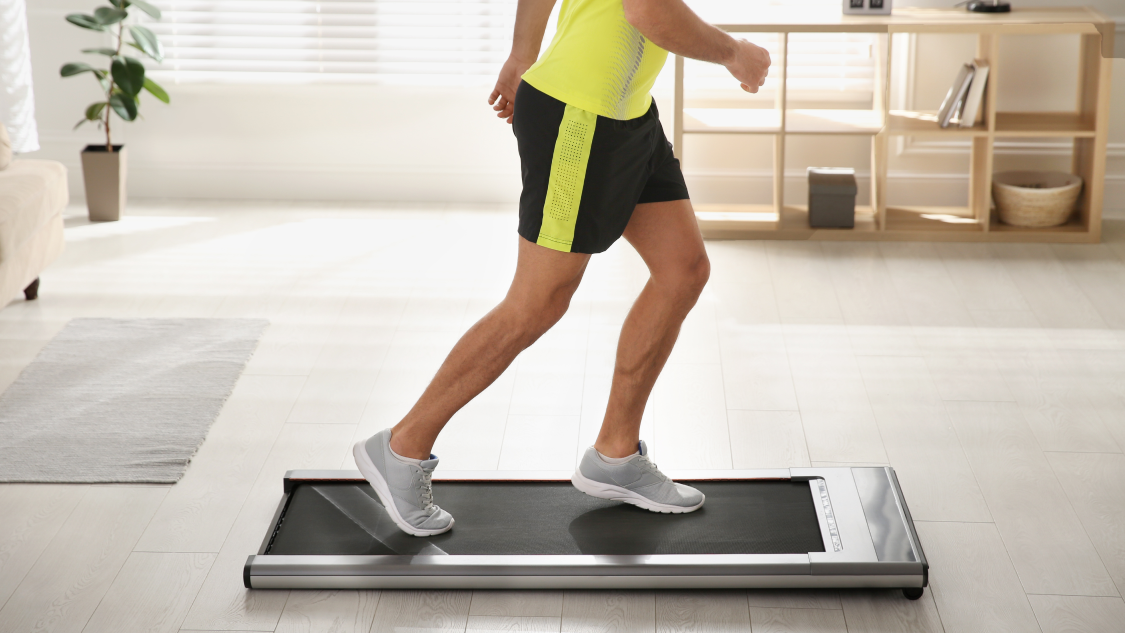
Resulting from busy schedules, remote work, and a desire to avoid crowded gyms, more people are working out at home to stay active. Unlike intense workout programs that often lead to burnout, walking is designed to be sustainable and low-stress and walking pads make it easier than ever at home. Walking pads are smaller, lighter, and easier to fit in your house or workplace than standard treadmills. They are also easy for beginners to use. For office workers, this means you can walk while working, turning dead time into active time. The best part? You don't need to change clothes, travel to a gym, or even interrupt your work or entertainment. It's fitness that adapts to your life, not the other way around.
And why 21 days? Research suggests that it takes approximately 21 days to form a new habit, making this challenge the perfect duration to turn exercise from a chore into a natural part of your daily routine. You can start with just 15-20 minutes daily and gradually increase as your fitness improves. By combining the habit-forming power of 21 days with the convenience of walking pads, this challenge addresses the root cause of the sedentary crisis. It’s simple to use and works with busy schedules and you don’t need a gym or pricey gear to do it.
2. Benefits of Joining a Walking Pad Challenge
Joining a walking pad exercise helps you stay active every day. By setting small goals, like walking a certain number of steps or for a set time, it becomes easier to keep moving regularly. These challenges are simple and can be done by anyone, regardless of fitness level.
A walking pad also helps you get more activity without hurting your joints. You can see your progress day by day, which motivates and makes you proud. Over time, following a challenge can give you more energy, improve your fitness, and make being active a habit.
Boost Daily Step Count and Activity Levels
One of the best things about walking pad workouts is that they help you take more steps every day and stay active throughout the day.
You can use bullet points to list your daily goals to make them easier to follow:
- Try to walk 5,000 to 10,000 steps per day.
- During breaks at work, go for two or three brief walks.
- Set aside 15 to 20 minutes in the morning or evening for timed workouts.
You can also use a table like this to keep track of how far you’ve come:
| Day | Steps Goal | Actual Steps | Notes / Feelings |
|---|---|---|---|
| Mon | 6000 | 6200 | Felt energised, easy walk |
| Tue | 6500 | 6000 | Tired in the morning |
| Wed | 7000 | 7100 | Felt motivated and happy |
| Thu | 6500 | 6700 | Walked while on a call |
| Fri | 7000 | 7300 | Felt more focused at work |
Improve Cardiovascular Health From Home
You don’t need a gym to do a walking pad workout to make your heart healthier. Walking at a regular speed gets your heart pumping, keeps your blood flowing, and helps you build stamina over time.
Here are some simple things you can do at home to help your heart health:
- Walk at a reasonable pace for 15-20 minutes.
- When you feel ready, gradually speed up.
- Try short bursts of speed, such as one minute at fast and one minute at slow.
- Relax your posture and breathe steadily.
Even short, everyday workouts can make your heart stronger and help you feel more awake and active.
Enhance Mood, Focus & Productivity
An exercise walking pad can make you feel better right away. When you start moving, your body relaxes, and your mind feels lighter. A lot of people say that even a brief stroll helps them think more clearly, especially after they’ve been sitting for a long time.
Walking also helps you relax. It lets you take a break from tension and clear your mind. Taking this brief break will help you focus better when you return to work or your everyday tasks. A few minutes of walking can clear your head and help you stay productive longer, rather than fighting through exhaustion or mental fog.
These short bursts of exercise add up when you do them every day. They can help you build a habit that keeps your energy stable and your mind in a better place over time.
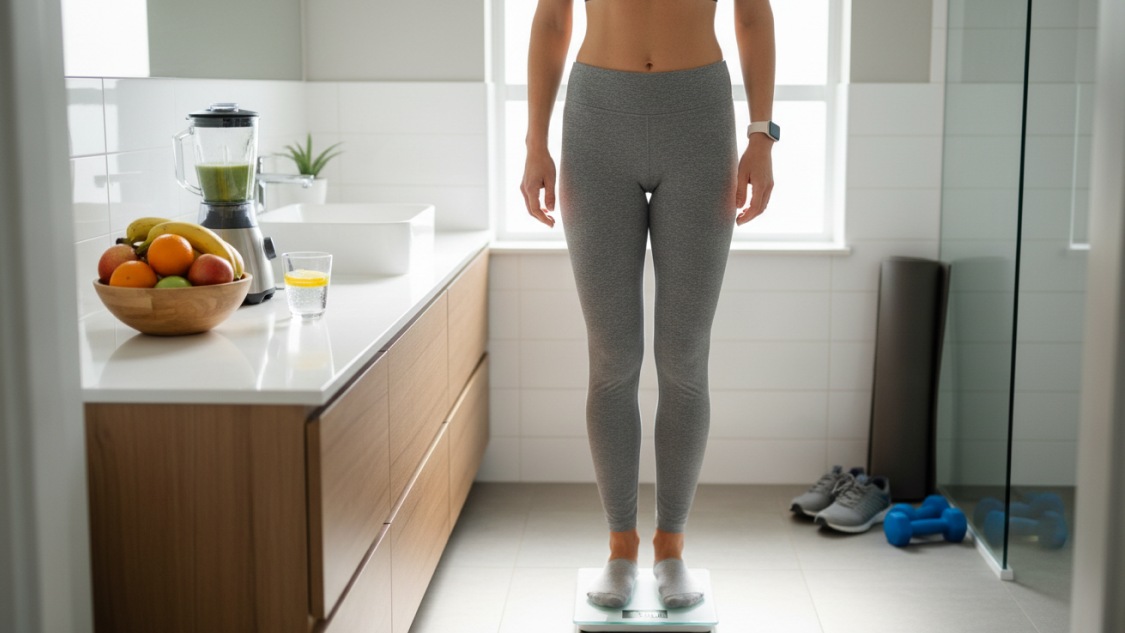
Achieve Weight Loss With Low-Impact Exercise
A walking pad exercise is a gentle way to help people lose weight, especially for those who want something that isn’t too hard on their bodies. Walking doesn’t require you to go fast or put a lot of strain on your body, making it easy to do every day. You don’t push yourself too hard and get disappointed; you go at a speed that feels right for you.
Walking is effective for weight loss because it is a regular activity. You burn calories continuously, and since the activity is mild, you can do it more often without getting tired. Using a pad at home also addresses everyday challenges, such as bad weather or limited time.
3. How to Start Your Own Walking Pad Challenge?
Starting your own walking pad challenge is easier than most people assume. You don’t need a tight schedule or particular training – you need a clear plan. The idea is to create a simple walking routine that fits your life and gets you moving every day.
Step 1: Choose the Right Walking Pad for Your Space
Selecting the proper walking pad before you start your challenge is essential. Most standard walking pads operate at speeds ranging from 0.5-6.0 km/h, making them perfect for walking and light jogging. The weight capacity typically supports 90-100kg, suitable for most adults. If you're looking for a walking pad for heavy people, choose one with 400 weight capacity or more.

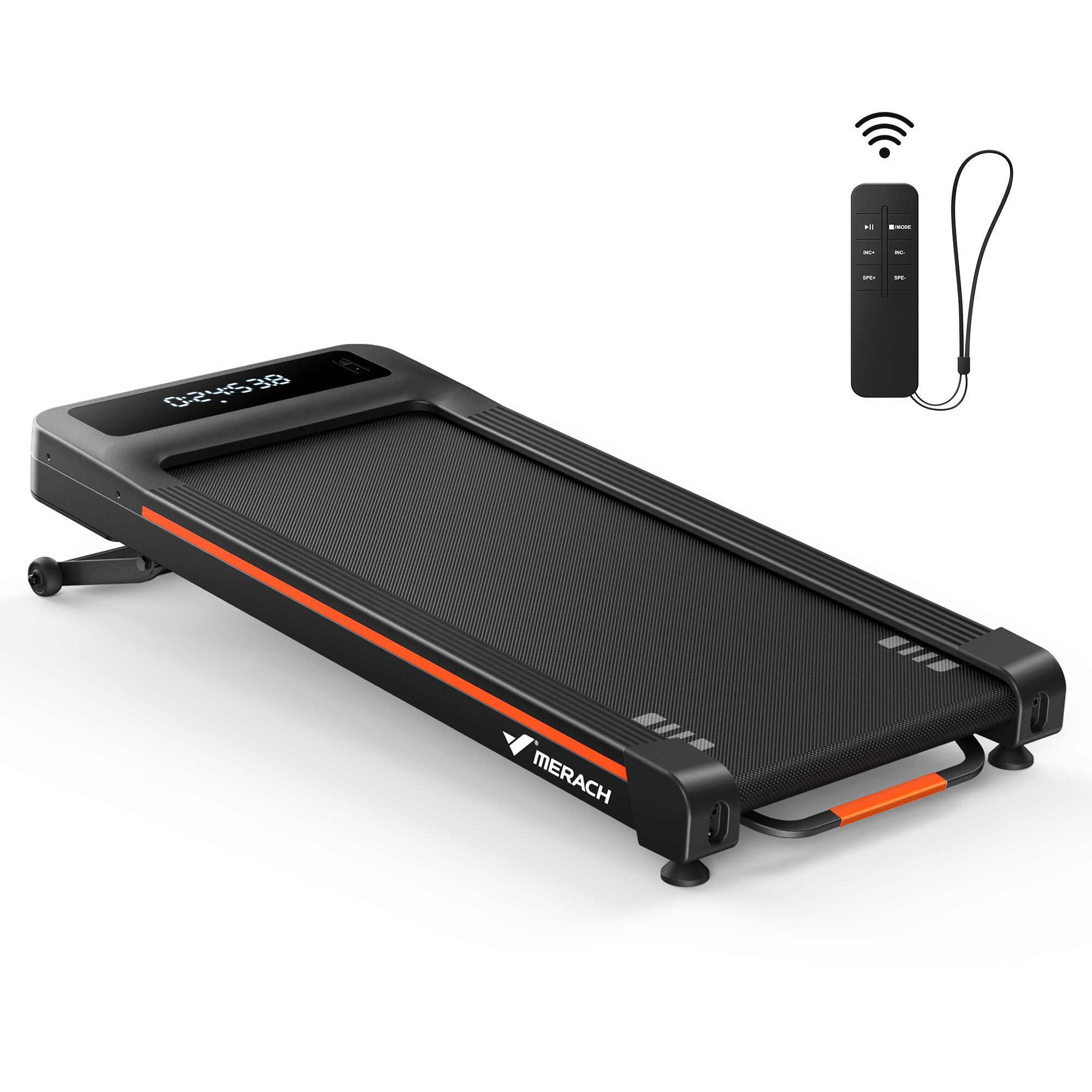
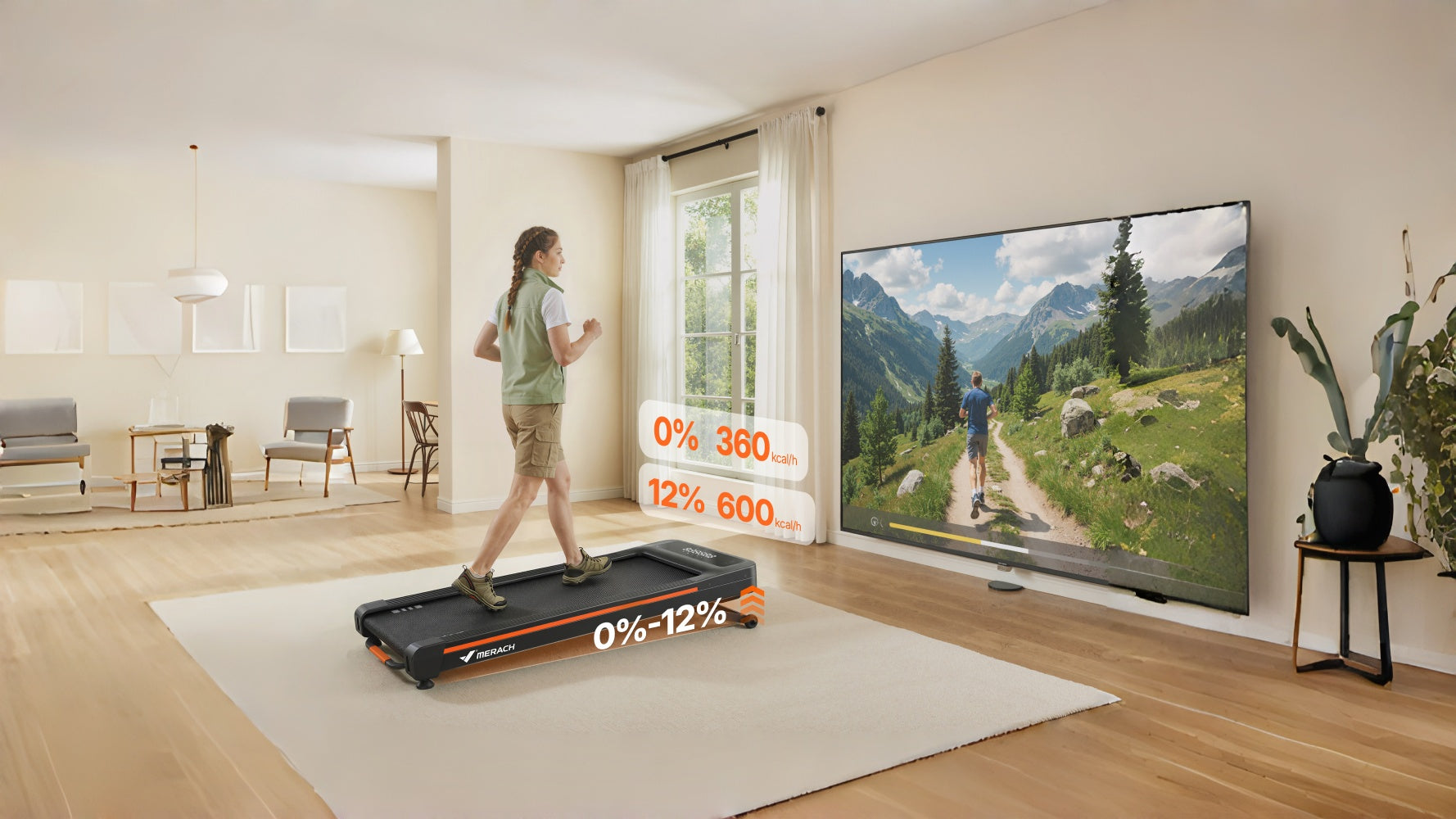
The Merach W50 Walking Pad is an excellent choice if you want something quiet, compact, and durable. This model offers an excellent balance of features and affordability. The 3.5 HP peak brushless motor offers treadmill-level strength and the deck's dimensions ensure stable steps, even for heavy people weighing up to 400 lbs. With its automatic incline from 0 to 12%, you can burn extra calories.
Make sure the walking pad you choose is comfortable and doesn’t take up more space than you have. You’ll be more likely to utilise your equipment every day if it fits in your home.
Step 2: Wear The Right Footwear
For walking pad workouts, opt for comfortable walking shoes or running shoes with good cushioning and support. Look for shoes with:
- Adequate cushioning to absorb impact and protect your joints.
- Breathable mesh uppers to keep your feet cool during longer sessions.
- Flexible soles that allow natural foot movement
- Lightweight construction to prevent fatigue
Avoid wearing heavy boots, dress shoes, or going barefoot, as these can lead to discomfort or injury.
Step 3: Track Progress With Fitness Apps
Tracking your progress keeps you going. You can see just how much you’ve done each day. You may either use the built-in tracking screen on the walking pad or connect it to a fitness app that shows your steps, distance, or total time walked.
Seeing your progress grow over the weeks can give you a little extra motivation to keep going, especially when you’re fatigued. It also makes your challenge exciting and gratifying.
Step 4: Create a Weekly Challenge Plan
A weekly schedule helps you stay on track with your challenge. Some people prefer walking every day, while others prefer days off. You could start with a modest plan, such as walking five days a week and resting two, or you could increase your weekly walking time.
A weekly schedule also helps you know what to expect. You don’t have to make decisions at the last minute since you have a clear schedule that tells you what to do. It makes your whole challenge feel more organised and easier to follow.
4. The 21-Day Walking Pad Challenge Plan
Now that you're prepared, let's dive into the heart of this challenge—the three-week progressive training plan. This scientifically designed plan will help you smoothly transition through the habit-forming phase, gradually improve your fitness level.
21-Day Challenge Plan Overview
| Week | Duration | Speed Range | Daily Focus | Weekly Goal |
|---|---|---|---|---|
| Week 1 | 10-15 minutes | 3-4 km/h | Consistency & Form | Build daily habit |
| Week 2 | 20-25 minutes | 4-5 km/h | Endurance Building | Increase duration |
| Week 3 | 30-35 minutes | 5-6 km/h | Interval Training | Maximize intensity |
Week 1: Build the Habit
The goal this week isn't about how many calories you burn, but to activate your body and make "getting on the walking pad" a daily life ritual. Even on days when you are very busy, commit to completing at least 10 minutes. Quality over quantity, consistency over intensity.
- Duration: 10-15 minutes/day
- Speed: 3-4 km/h
Week 2: Increase Duration
During week two, you may encounter your first "motivation low point". The novelty wears off while your body hasn't yet noticed significant changes. Persist! This is a critical juncture for habit formation. This phase will reinforce habits and build endurance, guide you to experience working at the "edge of your exercise comfort zone," building cardiovascular function and muscular endurance through mild challenges.
- Duration: 20-25 minutes/day
- Speed: 4-5 km/h
Week 3: Add Intensity
This week is designed to boost metabolic efficiency through interval training. Try the "5-5 interval method". Walk at 5 km/h for 5 minutes, then accelerate to 6 km/h or a faster pace for another 5 minutes, repeating this cycle. This variation in intensity can effectively enhance fat-burning efficiency and break through physical adaptation plateaus.
- Duration: 30-35 minutes/day
- Speed: 5-6 km/h, alternating between fast walking and light jogging
By following this progressive walking pad challenge plan, you'll build a sustainable walking habit that can continue long after the 21 days are over. The gradual increase in duration and intensity ensures your body adapts safely while maximizing results.
5. Tips for Staying Motivated During a Walking Pad Challenge
Staying motivated throughout a walking pad exercise can feel easy at first, but real success comes from sustaining the habit. Your motivation will naturally fluctuate, so the idea is to give yourself small boosts that help you stay on track, even on days when you’re busy or slow. These strategies can help you stay on track with your regimen and make your challenge feel less like a chore.
Build a Fun Walking Playlist or Podcast Queue
Walking is easy with the appropriate music or podcast. Fun music can give you more energy, and a good tale or an instructional podcast can help the time pass more quickly. Many people look forward to walking because it gives them time to themselves. If you get bored easily, changing up your music every week keeps things new and interesting.
Track Streaks & Rewards
Some people keep motivated when they can see how far they’ve come. A streak tracker can help you keep going day after day. Even writing down tiny victories on a calendar can be pretty helpful. It is a simple illustration of what a weekly streak tracker can look like:
| Day | Walk Completed | Notes |
|---|---|---|
| Mon | ✔ Yes | Felt great starting the week |
| Tue | ✔ Yes | Short walk, but still counted |
| Wed | ✘ No | Busy day — restart tomorrow |
| Thu | ✔ Yes | Added an extra 5 minutes |
| Fri | ✔ Yes | Morning walk boosted mood |
Avoid Common Mistakes & Stay Injury-Free
Avoiding pain or suffering is the best way to stay motivated. Many people start too soon and get weary quickly. Walking at a speed that feels natural to you and letting your body adjust over time is a better approach. Keeping your body relaxed and wearing well-fitting shoes will help you avoid tension.
If your legs or back are tight, stretching them gently for a few minutes before and after walking will help make your walks safer and easier. When your body feels well, it’s a lot easier to stick to your goals.
6. FAQs about The 21-Day Walking Pad Challenge
As you begin or consider this 21-day journey, it’s natural to have questions about how to stay consistent, adjust the plan, or overcome common hurdles. Below, we’ve compiled answers to the most frequently asked questions to support you every step of the way.
Q1: How many minutes a day should I walk on a walking pad?
Start with 10 to 15 minutes a day and work your way up to 30 to 45 minutes as you get stronger. In the beginning, consistency is more important than intensity.
Q2: Can a walking pad help you lose weight?
Yes. Walking every day burns calories and speeds up your metabolism. Eating well can help you lose weight steadily and without putting too much stress on your body.
Q3: Is it safe for novices to use a walking pad?
Yes, of course. Walking pads are safe and easy to use, and they don’t place undue stress on your body. Start at a speed that feels comfortable to you, and if needed, use safety measures such as handrails.
Q4: Is it okay to use a walking pad while I work?
Yes, especially small pads or models that fit under a desk. You can get more done without stopping what you’re doing if you stroll as you work.
Q5: What is the 21-Day Walking Pad Challenge?
It’s a 21-day routine where you walk daily on a walking pad for a set time or step goal to build consistency, boost activity, and form a healthy habit at home.
7. Conclusion
A walking pad challenge is a simple but powerful way to improve your health and stay active without leaving home. Whether you’re looking to increase daily steps, support weight loss, boost heart health, or add movement to your day, a walking pad exercise can fit into almost any lifestyle. Using a reliable walking pad, like the Merach W50 Walking Pad, makes the challenge easier, safer, and more enjoyable.
The key is consistency — even short daily sessions build momentum over time. For beginners and seasoned walkers alike, this challenge creates a habit that supports long-term wellness, boosts energy, and makes daily life feel more productive and balanced.