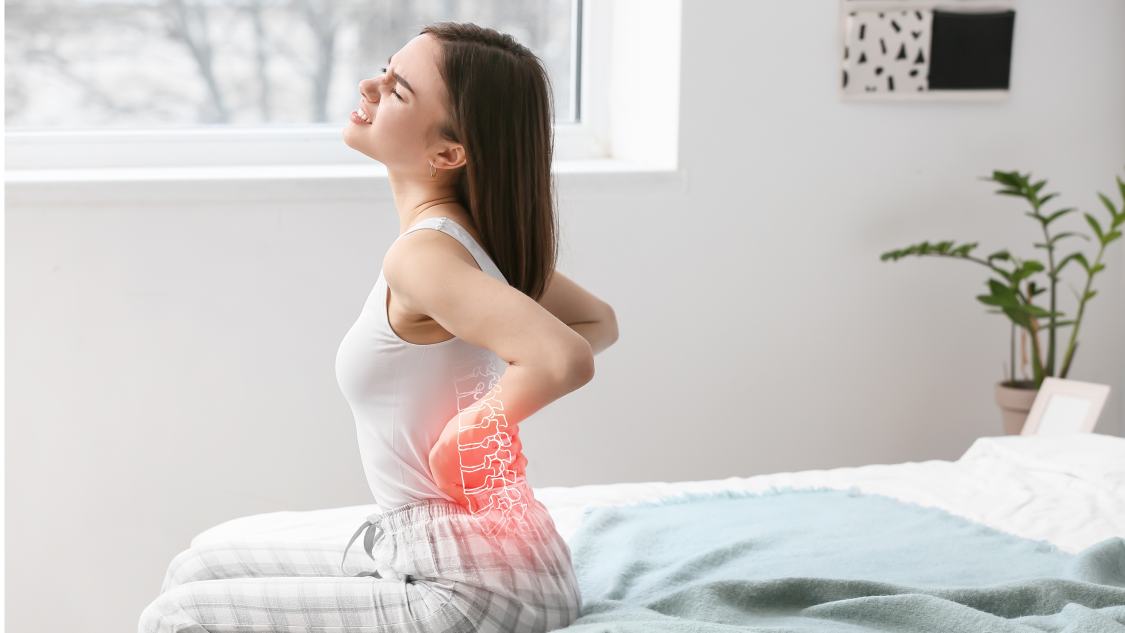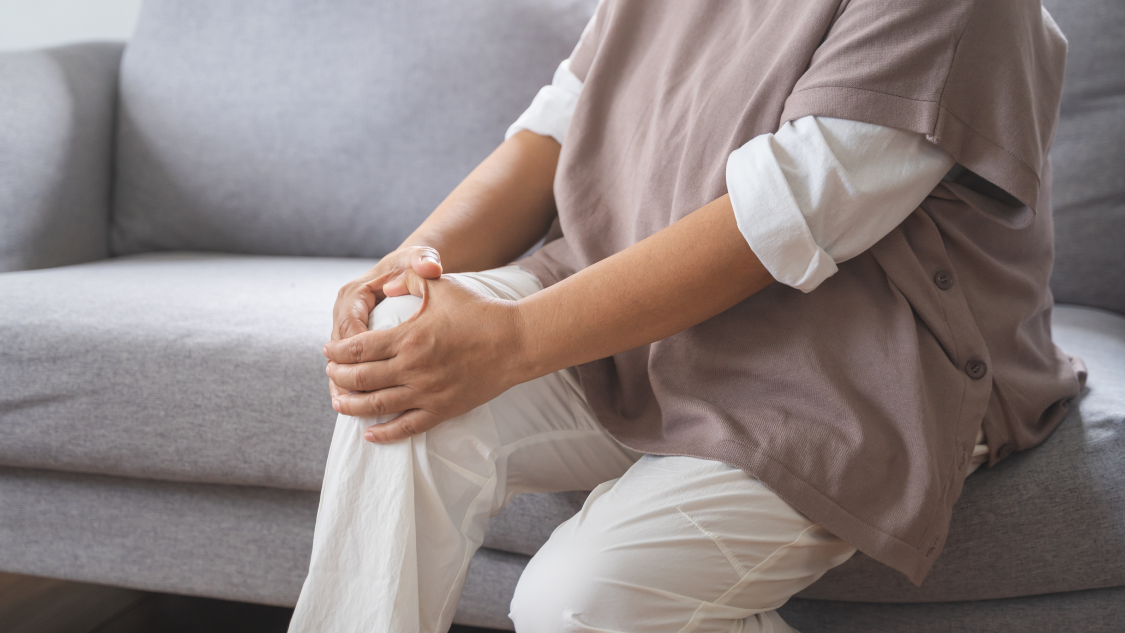
Osteoporosis is becoming increasingly common. It weakens bones over time, turning them fragile and susceptible to fractures. This condition is no longer limited to older adults. Sedentary lifestyles and a lack of weight-bearing exercise have led to rising cases among middle-aged and even younger individuals.
However, traditional exercise can feel risky. High-impact workouts may put too much stress on fragile bones, while avoiding movement altogether can accelerate bone loss. This is where vibration therapy enters the conversation. The promise is tempting: it works by triggering rapid muscle contractions through mechanical vibration, potentially stimulating bone and muscle activity with minimal joint strain.
It sounds like an ideal solution. But are vibration plates good for bone density, and more importantly, are they safe to use? In this guide, we’ll break down the potential benefits, limitations, and how to use a vibration plate safely to support bone health.
1. Why Is Osteoporosis Becoming More Common?
Bone density naturally declines with age, especially post-menopause. It’s not merely about calcium deficiency. It dramatically increases the risk of a fragility fracture from a minor fall, a sudden twist, or even a routine movement.
However, in recent years, an increasing number of people in their 30s and 40s have begun to exhibit signs of declining bone density, and osteoporosis is no longer a condition that only affects seniors. In many cases, it’s linked to everyday habits rather than age alone.
Modern lifestyles play a major role. Long hours spent sitting or standing result in a lack of exercise. Bones, much like muscles, need regular activity to stay strong. Without that stimulus, bone remodeling slows down, and density can gradually decrease. At the same time, many people spend most of their day indoors, reducing exposure to sunlight. It limits the body’s ability to produce vitamin D naturally.
Dietary patterns also contribute more than people expect. Highly processed foods, excessive sodium intake, and low consumption of nutrient-dense whole foods can all influence long-term bone strength. These effects are subtle and build up slowly, which is why they are often overlooked until problems begin to appear.

The biggest issue is not just these risk factors themselves. Many people still assume that osteoporosis is an unavoidable part of aging, something that only needs attention later in life. Because of this belief, early screening and preventive care are often delayed or ignored altogether.
In reality, bone loss can begin years before any symptoms become noticeable. There is usually no pain, no clear signal. When a fracture occurs, bone density may already be significantly reduced. Taking action earlier can help slow down this process and support stronger bones over the long term.
2. Are Vibration Plates Good for Osteoporosis?
Clinical and experimental studies over the past decade suggest that vibration therapy may offer real benefits for people with osteoporosis as a supportive approach.
The theory is that when you stand or exercise on a vibration plate, the platform sends gentle, repetitive "stress signals" through your body. The mechanical vibration causes rapid muscle contraction in a second, even up to dozens of times. The simulation makes the bones respond to stress and become stronger. This progress may help activate bone-forming cells and support the natural bone remodeling process.

Types of Vibration Therapy
Mainly, there are two widely trusted vibration therapies according to the Royal Osteoporosis Society, which include whole-body vibration (WBV) and low-intensity vibration (LIV). Each is suited to different users and goals.
| Feature | WBV | LIV |
|---|---|---|
| Key Benefits |
|
|
| Ideal Users |
|
|
The WBV focuses on stimulating the body with a high-frequency vibration. Because of stronger stimulation, it may offer more noticeable benefits for muscle engagement and functional movement. A large systematic review and meta-analysis found that whole-body vibration can improve bone mineral density in postmenopausal women, particularly in areas like the lumbar spine when used consistently under the right conditions. This type of whole-body vibration plate for bone density is used at a commercial level and is mostly seen in gyms, rehab centers, and higher-end home machines.
LIV delivers very gentle, low-magnitude vibrations, often at a higher frequency but much lower amplitude. The low-intensity vibration plate is designed for safe, daily use that sends tiny vibrations from the feet to your lower spine. It is often recommended in more sensitive cases where safety is the top priority. While the effects may be more gradual, it provides a consistent, low-risk way to introduce mechanical stimulation to the bones.
Although vibration plates can support bone health, they are not a cure, and they don’t replace medical treatment. They can be a practical addition to a broader routine that includes proper nutrition, medical guidance, and safe physical activity.
3. How Does It Compare to Traditional Treatments?
Traditional osteoporosis management often focuses on medication, calcium and vitamin D supplementation, and weight-bearing exercise. Yet, here lies a profound challenge. For many older adults and patients with pre-existing joint pain, balance issues, or advanced osteoporosis, high-impact exercises may not be suitable for their bodies and can be painful or even risky. Additionally, some patients struggle with long-term adherence to medication or structured training programs.
Therefore, for such people, a vibration plate offers potential benefits for osteoporosis as a low-impact, complementary alternative.
Improves Balance & Reduces Fall Risk
One of the crucial parts is preventing falls for people with osteoporosis, as they can lead to fractures or bone loss. Traditional strength training may be difficult for beginners or seniors, but vibration training helps improve neuromuscular coordination, postural stability, and lower-body control. It helps improve balance to prevent fractures.
Slows the Bone Deterioration
Falls can fracture your bone or, in some cases, lead to bone loss. Taking vibration therapy according to your fitness level benefits you by improving and increasing bone mineral density. This is especially helpful for women in postmenopause.
Supports Circulation & Recovery
Unlike medication-based treatments that target bone metabolism directly, vibration therapy also improves circulatory function. Better blood flow helps deliver nutrients to the bone and reduces stiffness and discomfort. It is not a useful addition for bone health, but for daily comfort and mobility.
Enhances Fat Loss & Relieves Muscle Soreness
In addition to its potential benefits for bone health, regular use of a vibration plate for weight loss and body toning is also widely recognized. When used with correct posture, it can further alleviate muscle soreness and accelerate recovery, making it a versatile tool for warm-up and cool-down routines.
More Accessible & Easier
Gym-based training or structured rehab programs often require time and supervision. In contrast, the vibration plate is easy to use and can be operated from home. It requires only 10–15 minutes to achieve noticeable results. This lowers the barrier to entry and makes long-term treatment more realistic.
For users who are looking for a more accessible, at-home solution that bridges the gap between traditional exercise and medical routines, a low-intensity multi-directional vibration plate can be a practical option.

The Merach CV55 Curved 4D Vibration Plate features triple independent motors with up to 120 adjustable speed levels, delivering multi-directional 4D vibration that distributes stimulation evenly across the body rather than concentrating it in a single direction. This allows for a more natural and gentle training experience, specifically suited for seniors and individuals with limited mobility. In addition, multiple preset programs and adjustable modes make it easy to tailor sessions based on comfort level and personal needs.
While vibration is good for bone health, calcium and vitamin D supplementation, and weight-bearing exercise still play a central role in managing osteoporosis. Combining both approaches is often the most effective strategy.
4. How to Safely Use a Vibration Plate for Osteoporosis?
Patients with osteoporosis should take more care in planning their routine on a vibration plate. The goal is to stimulate bones gently without putting excessive stress on fragile areas. For positive results, this is how an osteoporosis patient can safely use a vibration plate.
Step 1: Safety First
This is the top priority for severe osteoporosis, recent fractures, or medical conditions. Consult a health care provider before starting your session. If you use a vibration plate correctly, it will prove to be more beneficial in improving your bone density without risking your body.
Step 2: Start with Low Intensity
Always start your vibration therapy with the lowest frequency setting, and make sure not to exceed your first session by more than 5 to 10 minutes. This will help your body adapt to it without discomfort or risking your bones. For better results, it is recommended to:
- Maintain Proper Posture
- Stand on the platform with:
- Feet shoulder-width apart
- Knees slightly bent (never locked)
- Back straight and core engaged
This position absorbs vibrations safely and reduces strain on joints and the spine.
Step 3: Use Simple Movements
When starting with vibration therapy, always avoid complex exercises. Make sure to stick to basic positions, which include
- Standing still
- Gentle mini squats
- Light calf raises
These exercises help improve muscle strength, bone stimulation, and balance without overloading your body.
Step 4: Increase Gradually
Once your body gets adapted to the vibration therapy, gradually begin to increase your session duration. For instance,
- A session time should be up to 10–15 minutes
- Frequency (2–4 times per week)
Avoid daily high-intensity use, as recovery is important for bone health.
4. Risks, Precautions, and Contraindications
Although vibration therapy is a promising non-drug intervention for people with osteoporosis, there are a few considerations that should not be overlooked before you get started.
Avoid Risking & Possible Complications
Although vibration plates are generally low-impact, improper use or unsuitable conditions may lead to discomfort or complications. If posture is incorrect, your joints or back will strain. For this reason, vibration therapy should always be approached with appropriate intensity, correct posture, and gradual progression.
Consult Health Care Professionals
Consulting a health care professional before undergoing vibration therapy is necessary, as it will help you to determine, after considering your health condition, whether vibration therapy is suitable for you or not. This will also help in providing you with guidance on the vibration intensity, duration, and number of sessions.
Who Should Avoid Vibration Therapy
Usually, low-impact therapies are considered safe for people with osteoporosis, but using a vibration plate for bone density does not apply to everyone. People who have conditions other than osteoporosis should limit their vibration therapy. This include
- Have had a heart attack, stroke, or a history of blood clots
- Pregnant women
- Have a pacemaker
- Dizziness due to experience
- Have ear problems or wear hearing aids
- People who have undergone any joint replacement, knee or hip
Vibration therapy can be a useful supportive tool for osteoporosis, but it should not be used as a one-size-fits-all solution. Proper evaluation, guided usage, and awareness of contraindications are essential to ensure both safety and effectiveness.
5. FAQs about Vibration Plate for Osteoporosis
As you use the vibration plate, you likely still have specific, practical questions. To help you get the clarity needed for an informed decision, we’ve compiled answers to the most frequently asked questions below.
Q1: How long does it take to see results from a vibration plate for osteoporosis?
Results vary depending on the individual, consistency of use, and overall lifestyle factors. Some users may notice improvements in balance, muscle activation, or comfort within a few weeks of regular use, while changes in bone density typically take longer and require sustained, long-term use combined with proper medical guidance. Vibration plates should be viewed as part of a consistent routine rather than a quick fix.
Q2: How often should you use a vibration plate for bone health?
The best recommended duration is 10 to 20 minutes each day to regain the bone loss while exercising on the vibrating plate. This is because this duration is quite sufficient for consistent mechanical stimulation of bones and muscles, which later helps improve the bone density.
Q3: What is the best vibration plate for osteoporosis?
For osteoporosis, a 4D vibration plate is often a more suitable option compared to basic vibration machines. It combines vertical, horizontal, and oscillating movements, creating a more dynamic and comprehensive stimulation. This low-impact multi-directional vibration provides more varied mechanical stimulation to the bones and improves blood circulation without causing stress on joints, and soothes inflammation.
Q4: What exercises should people with osteoporosis avoid?
Because osteoporosis weakens bones, people who suffer from this chronic condition should avoid high-impact movements, forward spinal flexion (bending), and twisting. All these exercises can lead to vertebral compression fractures or broken bones. Other than that, sit-ups, crunches, toe touches, jumping jacks, and all the exercises that are likely to put pressure on joints are prohibited.
Q5: What kind of vibration plate should seniors choose?
When choosing a vibration plate for seniors, prioritize low-impact and beginner-friendly models. A stable and anti-slip surface is also important. This maintains a safer and more comfortable experience.
6. Conclusion
With the right combination of lifestyle habits, consistent movement, and supportive tools, it is possible to slow down bone loss and improve overall stability and quality of life over time.
If you are considering adding vibration therapy into your routine, the Merach CV55 Curved Vibration Plate stands out as a thoughtful choice. Its gentle multi-directional vibration provides a smoother and more adaptive experience, particularly suitable for middle-aged and older adults.
Start gradually, stay consistent, and consult a healthcare professional when needed to ensure the approach fits your individual condition.