When it comes to improving your health, increasing fitness, and finding sustainable cardio workouts, one question always comes up: running vs. rowing — which one is actually better?
Both are powerful forms of cardio that help you burn calories, improve cardiovascular health, and build long-term endurance. But the real answer depends on your goals, your body, and your lifestyle.
In this guide, we’ll break down rowing vs running from every angle — muscle activation, calorie burn, joint health, mental health, and long-term results — so you can choose the best option for your fitness journey.
1. Understanding the Key Differences Between Rowing and Running
At first glance, running and rowing may seem similar. Both elevate your heart rate, challenge your stamina, and qualify as effective aerobic exercise. However, the key differences lie in impact level, muscle engagement, and total-body activation.
Running: A Classic Lower Body Cardio Workout
Running is one of the most accessible forms of exercise. All you need is a pair of running shoes, a safe surface, or a treadmill at the gym.
It primarily targets the lower body, including:
- Quadriceps
- Hamstrings
- Glutes
- Calves
- Hip flexors
For many runners, regular running builds strong legs and improves cardiovascular fitness. It’s an efficient lower body workout that can significantly increase stamina and overall fitness.
However, it is considered a high-impact exercise, meaning your joints absorb repeated force with every stride. Over time, this may increase the risk of overuse injuries, particularly for the same person doing high mileage without recovery.

Rowing: A True Full-Body Workout
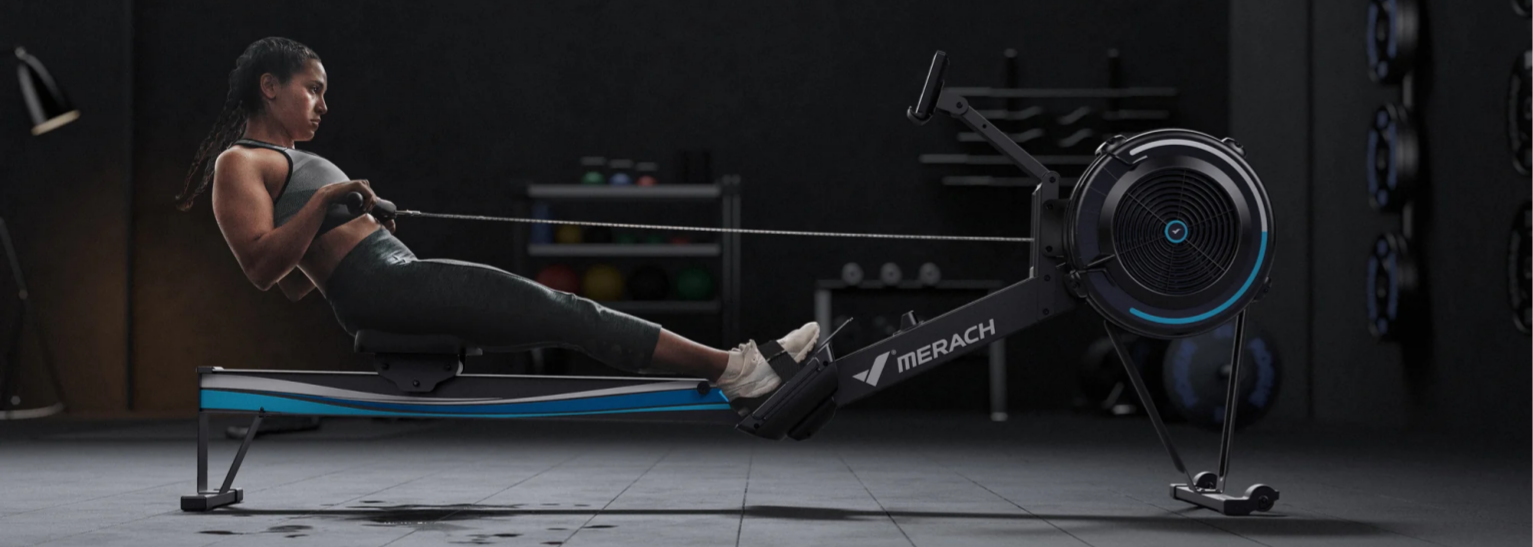
Unlike running, rowing on a rowing machine delivers a true full-body workout.
A proper rowing stroke activates:
- Lower body (legs, glutes, hamstrings)
- Upper body (back, shoulders, arms)
- Core muscles for stability
That means rowing engages more muscle groups than running alone. Many people underestimate how much building muscle rowing requires — especially in the back and arms.
Because it’s a low-impact exercise, rowing places significantly less strain on the joints while still allowing you to train at high intensity. This makes it ideal for people concerned about joint health or recovering from injuries.

2. Calorie Burn: Which Exercise Burns More?
When discussing rowing vs running, calorie burn is often the deciding factor.
Both rowing and running are excellent at helping you burn calories, but the total calorie burn depends on:
- Body weight
- Workout intensity
- Duration
- Fitness level
For the same person, rowing often burns more calories in shorter sessions because it recruits more muscle groups across the entire body. Since exercise burns energy based on muscle activation, engaging the full body increases total output.
However, competitive runners at a fast pace on a treadmill can also burn substantial calories. The difference usually comes down to efficiency.
If your goal is weight loss, both rowing and running can help you lose weight, provided you're consistent. But rowing may offer an edge in total-body energy expenditure.
3. Impact on Joint Health and Bone Density
One of the most important comparisons between rowing vs running is the impact level.
Running and Joint Stress
Because running is a high-impact exercise, it puts repeated pressure on the knees, hips, and ankles. For some runners, this can improve bone density over time. Impact loading helps strengthen bones and may help improve bone density when done safely.
However, excessive stress on the joints can lead to discomfort, especially in individuals with higher body weight.
Rowing and Low-Impact Benefits
Rowing is a low-impact activity that delivers strong cardiovascular and muscular benefits with less stress on the joints. For individuals prioritizing long-term joint health, rowing can be a smarter option.
Although rowing is lower impact, it still contributes to maintaining healthy bones through resistance and strength training elements, particularly during the drive phase when pushing with the legs.
4. Muscle Development and Building Strength
If your goal includes building strength, rowing has a clear advantage.
Running and Lower Body Focus
Running mainly develops the lower body, particularly the glutes and hamstrings. It’s effective for endurance but less efficient for building muscle in the upper body.
Rowing and Full-Body Activation
Rowing activates the entire body. Each stroke works the legs, engages the core, and strengthens the upper body. This combination supports:
- Improved posture
- Balanced muscular development
- Functional body workout training
Many experienced rowers report improved back and shoulder strength — something regular running rarely provides.
If you're looking for cardio combined with strength, rowing delivers both in one efficient workout.
5. Cardiovascular Health and Endurance
From a pure cardiovascular health standpoint, both are powerful.
- Running improves aerobic capacity.
- Rowing boosts heart efficiency and respiratory endurance.
Both forms increase heart rate, improve breathing, and enhance overall stamina. For most people, either can significantly improve cardiovascular fitness.
The only reason one may outperform the other is consistency. The best cardio option is the one you’ll maintain long-term.
6. Mental Health and Stress Relief
Beyond physical benefits, both rowing and running positively impact mental health.
Running outdoors can reduce stress, improve mood, and offer meditative rhythm through consistent pace and movement.
Rowing indoors on a rowing machine provides structured focus. The repetitive stroke pattern encourages mental clarity and helps reduce stress levels after demanding workdays.
Both are considered excellent forms of cardio for improving emotional well-being.
7. Treadmill Running vs Rowing Machine: Home Gym Perspective
In a modern home gym, the comparison becomes practical.
A treadmill supports walking, jogging, and regular running. It’s familiar, beginner-friendly, and effective.
A rowing machine, however, offers:
- Compact design
- Low-impact movement
- Full-body workout
- Efficient calorie burn
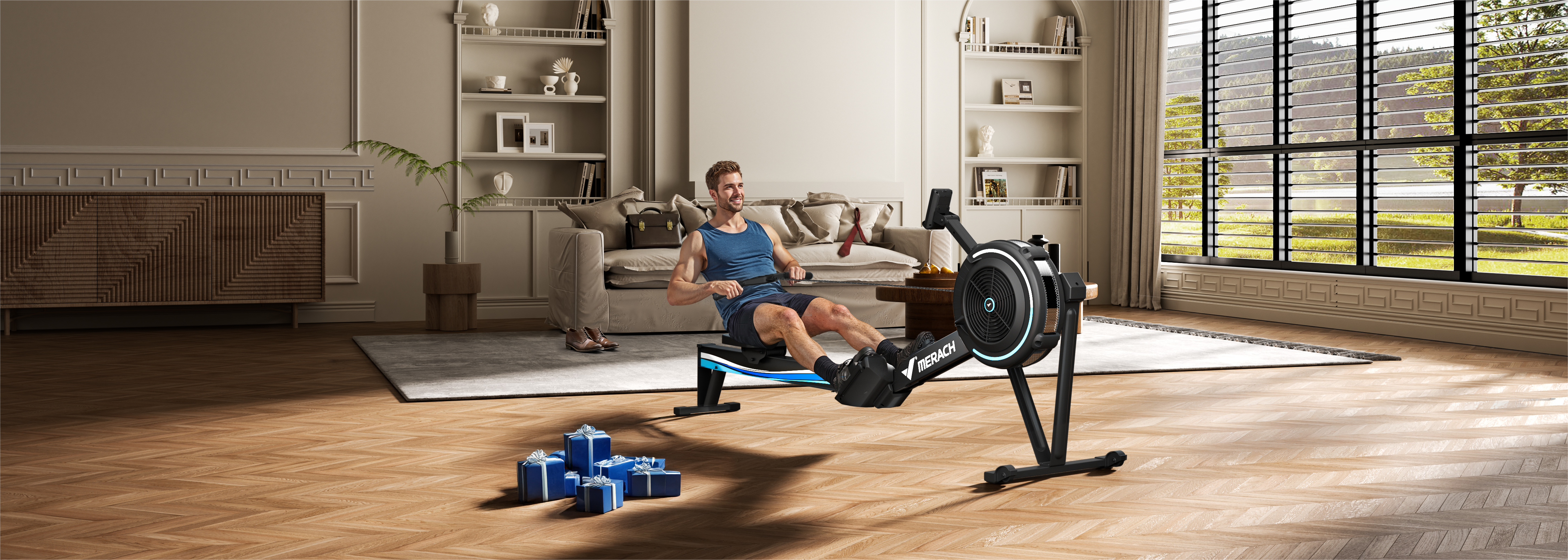
For apartment living or limited space, rowing can be quieter and easier on flooring compared to high-speed treadmill running.
Recommended Option for High-Intensity Rowing at Home

For those leaning toward rowing as their preferred form of cardio, equipment quality plays an important role in long-term results. An air resistance rowing machine offers dynamic resistance that increases naturally with effort, making it ideal for both endurance training and high-intensity intervals.
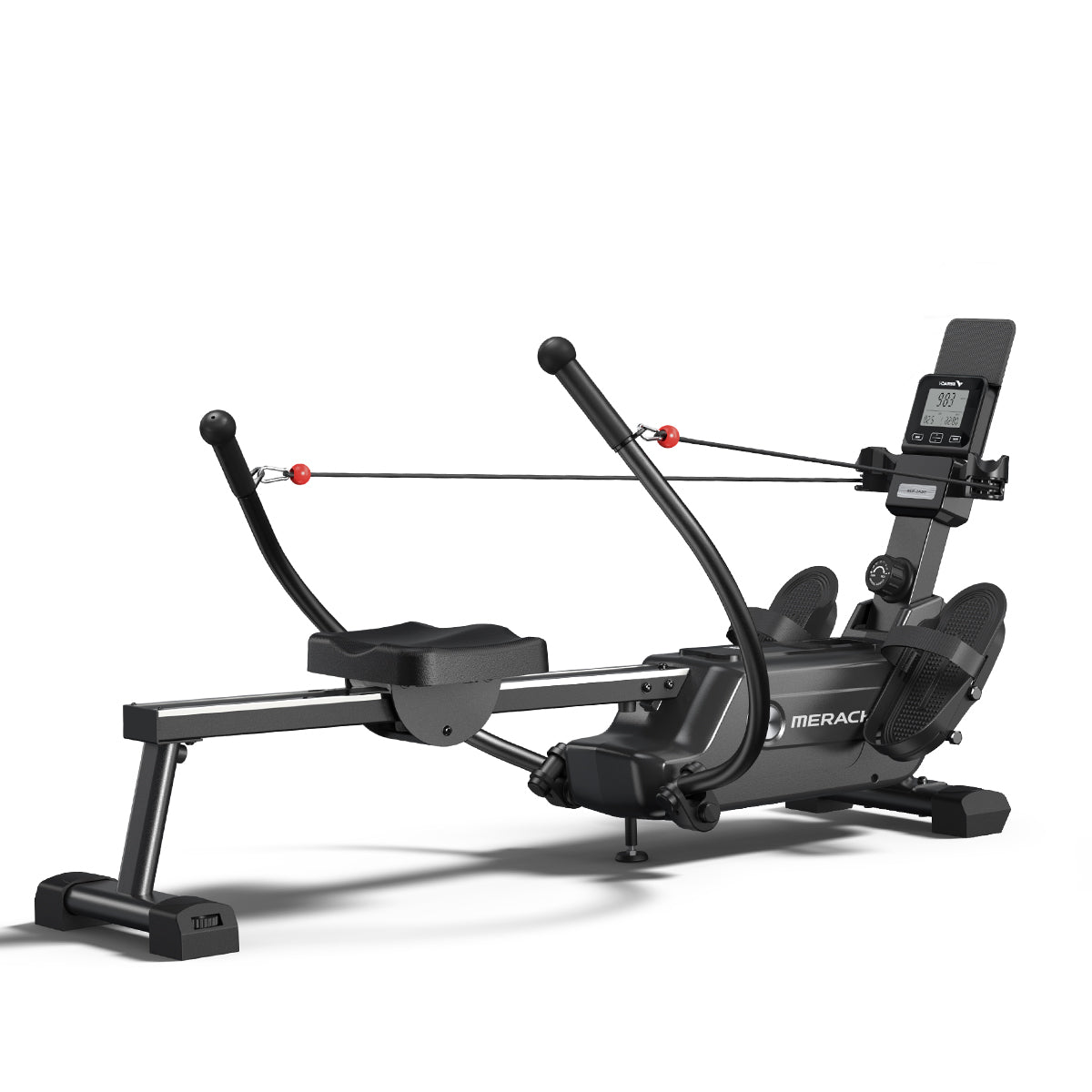
The Merach Novarow R50 Air Resistance Rower is designed to support full-body workouts while maintaining smooth airflow resistance. Unlike basic entry-level machines, it allows users to scale intensity simply by adjusting stroke power, making it suitable for beginners and experienced rowers alike.
Because rowing is a low-impact exercise, pairing it with a durable, stable machine enhances joint-friendly training while still delivering a powerful calorie burn. For individuals focused on building strength, improving cardiovascular health, and reducing stress through structured cardio sessions, an air resistance rower can be a practical long-term investment.
8. High Intensity vs Steady Pace
Both rowing and running allow varied intensity levels.
- Runners can adjust pace and incline.
- Rowers can increase resistance and stroke power.
High-intensity intervals on a rowing machine can dramatically increase calorie burn in short sessions.
Meanwhile, steady-pace running supports long-distance endurance and aerobic conditioning.
Choosing between them often depends on your preferred training style.
9. Weight Loss and Body Composition
For people starting their fitness journey focused on weight loss, rowing may feel more sustainable due to its low-impact nature.
Because rowing engages the entire body, it may promote better muscle balance and higher metabolic demand.
Running also supports weight reduction, particularly for individuals who enjoy outdoor activity.
In reality, both rowing and running can help reduce weight when paired with proper nutrition and consistent training.
10. Who Should Choose Running?
Running may be better if:
- You enjoy outdoor movement
- You want a simple, no-equipment workout
- You’re training for races
- You prefer a straightforward lower body workout
For many runners, the rhythm and freedom of movement are unbeatable.
11. Who Should Choose Rowing?
Rowing is ideal if:
- You want a full-body workout
- You prefer low-impact cardio
- You want to strengthen upper body muscles
- You want efficient calorie burn
- You’re concerned about joint health
Rowers often appreciate how rowing combines cardio and strength training seamlessly.
12. Final Verdict: Rowing vs. Running — Which Should You Choose?
When evaluating running vs rowing, there is no universal winner.
Both improve cardiovascular health, help you burn calories, and support long-term fitness. The difference lies in muscle engagement, impact level, and training preference.
- Choose running if you prefer outdoor movement, steady-pace training, and a focused lower body workout.
- Choose rowing if you want a full-body workout, low-impact cardio, and greater total muscle activation.
For most people concerned about joint health, efficiency, and balanced strength development, rowing often provides a smarter long-term solution.
Ultimately, the best exercise is the one you can maintain consistently. Your body responds to sustainable habits — not short-term intensity.